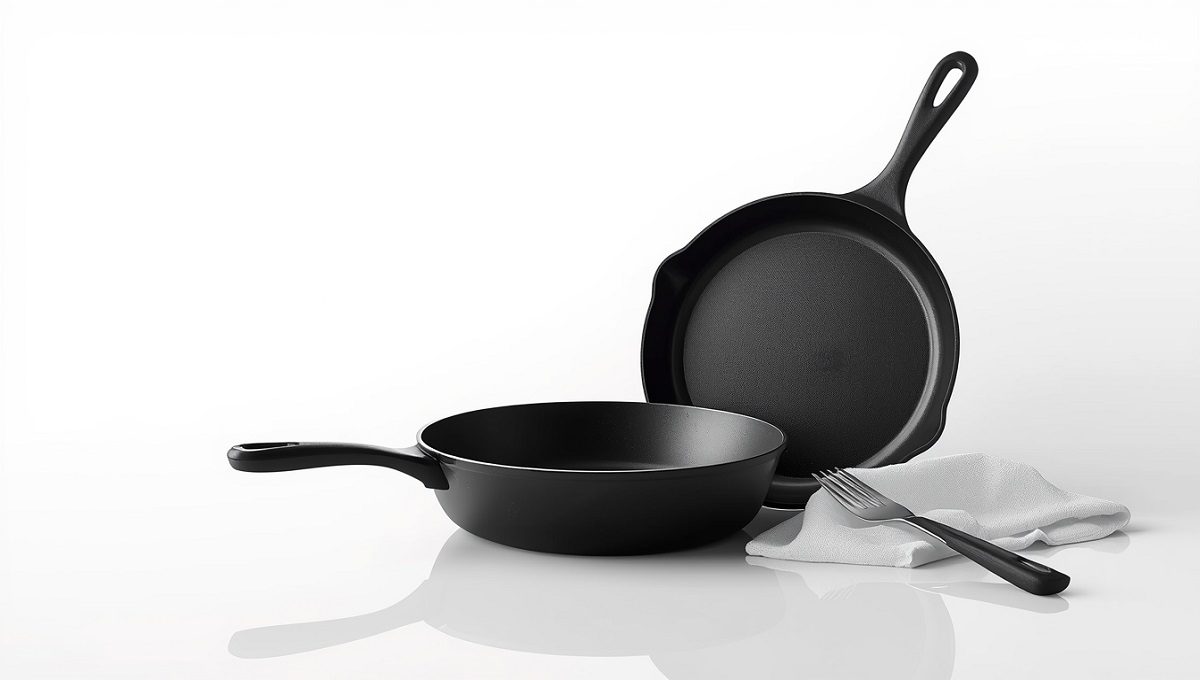
If you love cooking and want to take your kitchen skills to the next level, polished cast iron cookware is something you need to know about. Imagine a pan that heats evenly, lasts for decades, and adds a classic touch to your kitchen.
You’ll discover why polished cast iron is different from regular cast iron and how it can make your meals taste better. Keep reading, and you’ll find simple tips to choose, use, and care for this amazing cookware that could change the way you cook forever.
Benefits Of Polished Cast Iron
Polished cast iron cookware offers many benefits for everyday cooking. Its smooth surface helps food cook evenly and prevents sticking. This type of cookware lasts for many years with proper care.
Many cooks prefer polished cast iron for its durability and excellent heat retention. It heats quickly and keeps heat well, making it great for frying, searing, and baking. It also adds a classic look to any kitchen.
Durable And Long-lasting
Polished cast iron is very strong and resists damage. It does not chip or crack easily. With proper care, it can last for decades.
Even Heat Distribution
The polished surface helps heat spread evenly. This prevents hot spots and ensures food cooks uniformly. It works well on all heat sources.
Non-stick Cooking Surface
The smooth finish creates a natural non-stick layer. It reduces the need for extra oil or butter. This makes cooking and cleaning easier.
Easy To Clean And Maintain
Polished cast iron is simpler to clean than rough cast iron. The smooth surface does not trap food particles. It only needs gentle washing and drying.
Improves With Use
Each time you cook, the surface gets better. A natural seasoning builds up, enhancing the non-stick quality. It also adds flavor to your dishes.
Comparing Polished And Seasoned Cast Iron
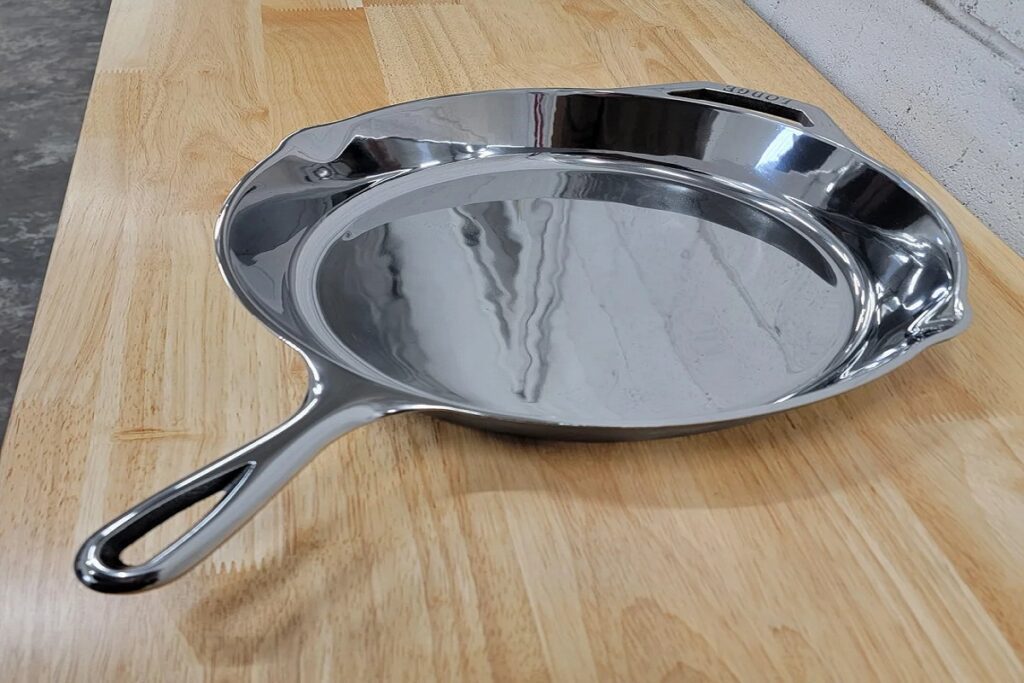
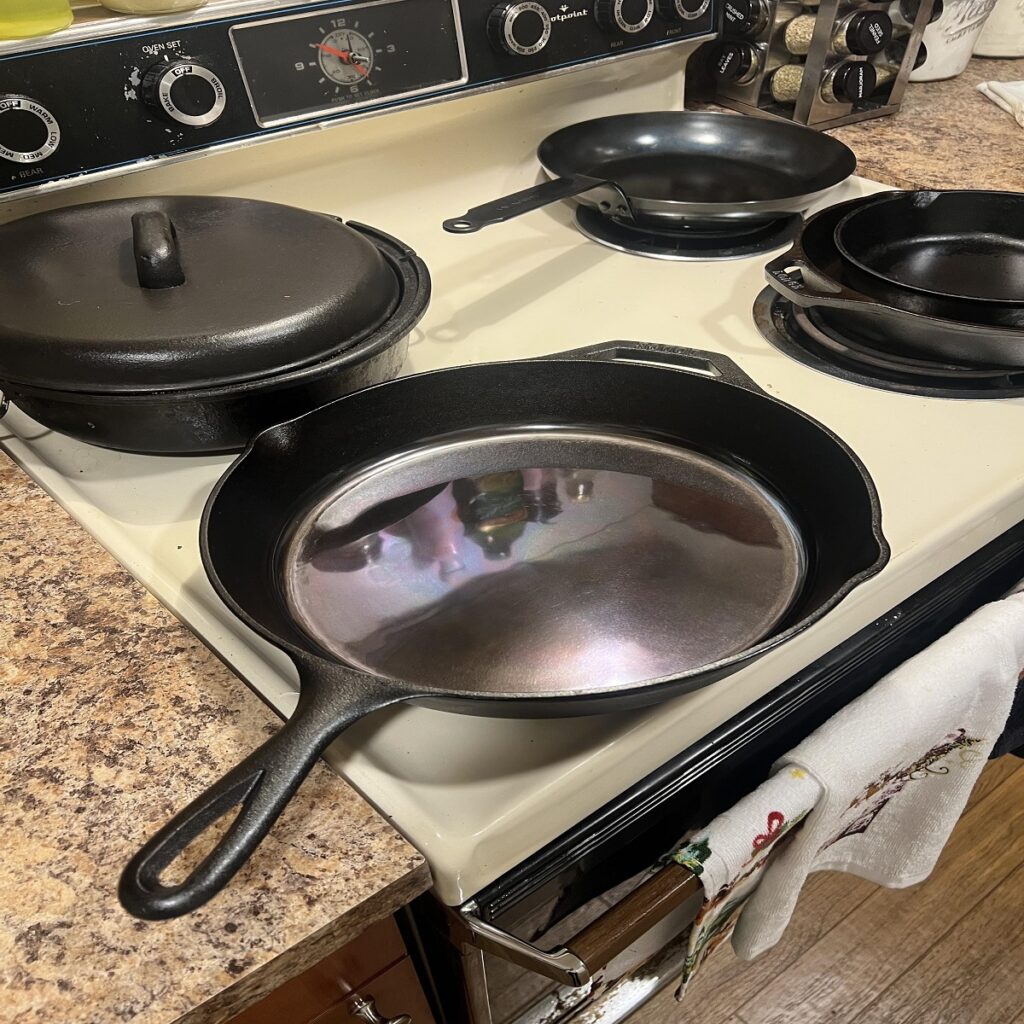
Polished cast iron cookware has a smooth, shiny surface that resists rust and is easy to clean. Seasoned cast iron develops a dark, non-stick layer through use and oiling. Each type offers unique benefits for cooking and maintenance.
Surface Texture And Appearance
Polished cast iron has a smooth, shiny surface. It looks clean and bright right out of the box. Seasoned cast iron has a matte, dark finish. This comes from layers of oil baked onto the surface. The seasoned look shows use and care over time.
Non-stick Qualities
Seasoned cast iron offers a natural non-stick layer. Cooking oils build up and fill tiny pores on the pan. Polished cast iron lacks this layer initially. It needs seasoning to become non-stick and ready for cooking.
Maintenance And Care
Polished cast iron requires seasoning before first use. It needs gentle cleaning to keep its smooth surface. Seasoned cast iron is easier to maintain for daily cooking. Avoid soap and harsh scrubbing to protect the seasoning.
Cooking Performance
Both polished and seasoned cast iron heat evenly. Seasoned pans may perform better for frying and searing. The non-stick surface helps prevent food from sticking. Polished pans need seasoning to reach similar cooking results.
Durability And Longevity
Cast iron is strong and lasts for decades. Seasoned cast iron develops a protective layer over time. This layer prevents rust and damage. Polished cast iron can rust if not properly seasoned and cared for.
Materials And Craftsmanship
Polished cast iron cookware stands out for its unique materials and skilled craftsmanship. The quality of the iron and the way it is made affect its durability and cooking performance. Every detail matters in creating cookware that lasts for generations.
Material Quality
Polished cast iron cookware uses high-grade iron. This iron is pure and strong. It holds heat well and distributes it evenly. The smooth surface comes from careful polishing. This process removes rough spots and creates a shiny finish. The result is cookware that cooks food consistently and cleans easily.
Traditional Craftsmanship
Skilled artisans make polished cast iron cookware by hand. They pour molten iron into molds with great care. After cooling, they polish the surface to perfection. This polishing removes imperfections and creates a smooth, non-stick finish. The craftsmanship ensures each piece is durable and reliable for daily use.
Attention To Detail
Every piece receives thorough inspection before it leaves the workshop. Small flaws are corrected by hand. Handles and edges are shaped for comfort and safety. This attention to detail ensures that the cookware feels good to hold and lasts a long time. Polished cast iron cookware is both beautiful and functional.
How Polishing Enhances Performance
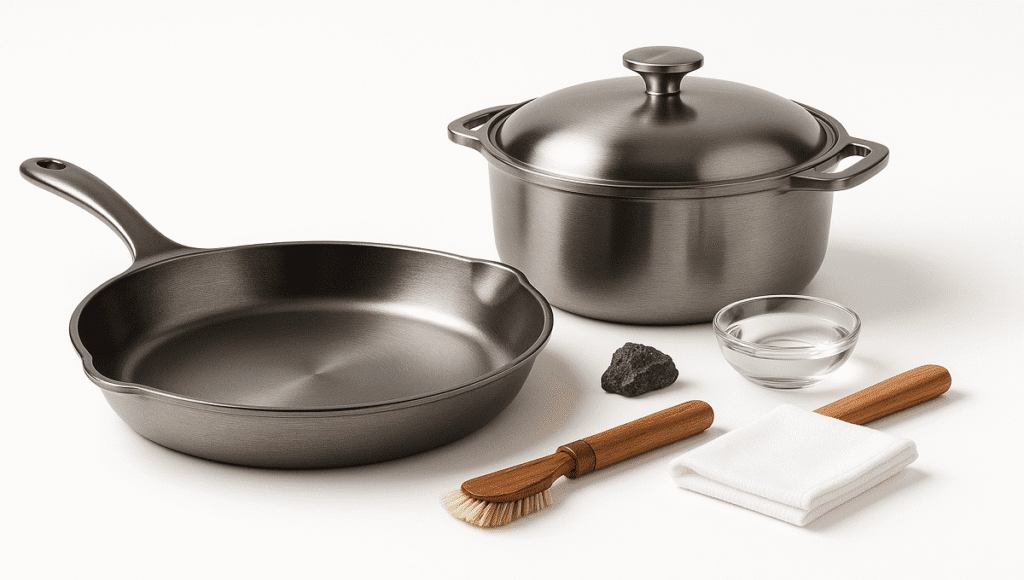
Polishing cast iron cookware changes how it performs in many ways. It makes the surface smoother and less sticky. This helps food cook evenly and clean up easier. Polishing also protects the pan from rust and wear. The result is cookware that lasts longer and works better.
Improved Heat Distribution
A polished surface spreads heat more evenly across the pan. This stops hot spots that burn food. Even heat means better cooking results. Polishing helps cast iron reach and hold the right temperature.
Reduced Food Sticking
Smoother surfaces mean less food sticks to the pan. Polished cast iron allows food to slide off easily. This lowers the chance of tearing or breaking delicate foods. Less sticking makes cooking and cleaning faster.
Enhanced Rust Resistance
Polishing removes rough spots where rust can start. A smooth finish acts as a barrier against moisture. This helps keep the pan in good shape longer. Rust-resistant cookware saves money and effort over time.
Easier Seasoning Process
Polished cast iron takes seasoning better and faster. The smooth surface holds oil evenly during seasoning. This forms a stronger, non-stick layer on the pan. Easier seasoning means better cooking and less maintenance.
Choosing The Right Polished Cast Iron Piece
Choosing the right polished cast iron piece can make cooking easier and more enjoyable. Each piece serves a different purpose. Knowing what fits your cooking style and needs helps you pick the best one. Size, shape, and weight matter. A good choice will last for many years.
Consider what dishes you cook most often. This helps decide the best cast iron cookware for your kitchen. Think about the heat source you use. Some pieces work better on certain stoves. Keep in mind how much space you have for storage. These points narrow down your options.
Understanding Different Polished Cast Iron Types
Polished cast iron comes in various forms. Skillets and frying pans are common. They have smooth surfaces for easy cooking and cleaning. Dutch ovens hold soups and stews well. Griddles offer a flat space for pancakes or sandwiches. Choose based on the meals you prepare most.
Picking The Right Size And Weight
Smaller pans heat up quickly and are easy to handle. Large pans cook more food at once but weigh more. Heavy pieces need care when lifting. A mid-sized pan suits most daily cooking. Think about your strength and kitchen space before choosing.
Checking Compatibility With Your Stove
Polished cast iron works with most heat sources. Gas and electric stoves are ideal. Induction cooktops need flat-bottomed pieces. Oven-safe cookware expands your cooking options. Match the cookware to your stove type for best results.
Seasoning Polished Cast Iron Cookware
Seasoning polished cast iron cookware is essential for a smooth cooking experience. It creates a natural, non-stick surface that protects the pan from rust. Proper seasoning improves the flavor of your food and makes cleaning easier.
Polished cast iron has a smoother surface than traditional cast iron. This smoothness helps the seasoning layer stick better. It also means less food sticks to the pan during cooking.
Preparing The Cookware For Seasoning
Start by washing the cookware with warm, soapy water. Use a soft sponge to remove any factory oils or dirt. Dry the pan completely with a clean towel. Preheat your oven to 350°F (175°C) to get ready for seasoning.
Applying Oil For Seasoning
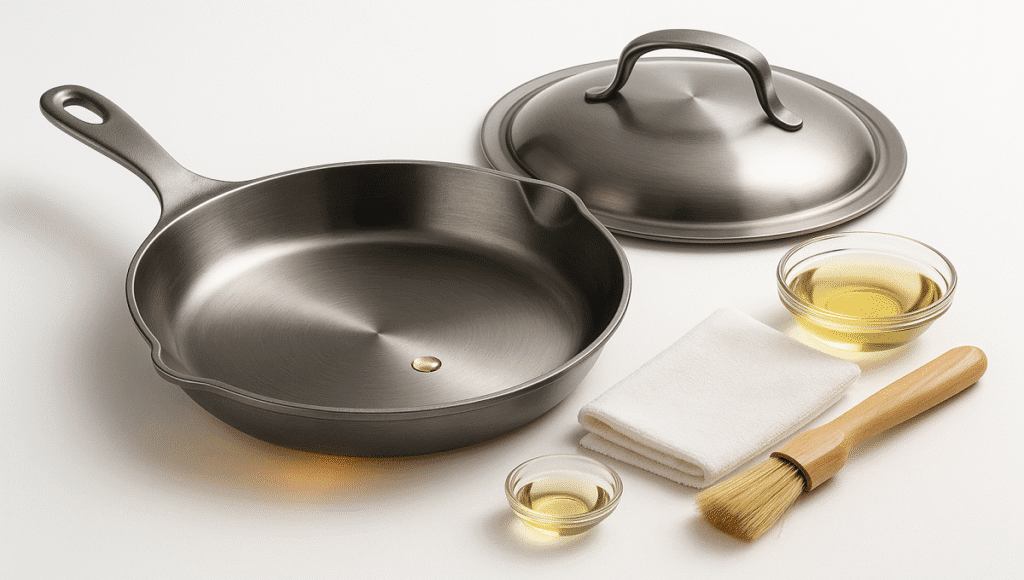
Use a thin layer of cooking oil like flaxseed, vegetable, or canola oil. Spread the oil evenly inside and outside the pan. Avoid using too much oil to prevent sticky spots. Wipe off any extra oil with a paper towel.
Baking The Cookware To Build Layers
Place the oiled pan upside down in the preheated oven. Put a baking sheet or foil below to catch drips. Bake the pan for one hour to allow the oil to bond with the surface. Turn off the oven and let the pan cool inside.
Maintaining The Seasoned Surface
After each use, clean the pan with hot water and a brush. Avoid soap as it can break down the seasoning. Dry the pan completely to stop rust. Occasionally, apply a thin oil layer and heat the pan to keep the surface strong.
Cleaning And Maintenance Tips
Polished cast iron cookware offers great cooking results and lasts for years. Proper cleaning and maintenance keep the cookware in top shape. These tips help preserve the smooth surface and prevent rust.
Cleaning After Each Use
Clean the cookware while it is still warm. Use warm water and a soft sponge. Avoid soap or harsh detergents to protect the seasoning. For stuck food, scrub gently with a nylon brush or salt.
Drying And Storing
Dry the cookware completely after washing. Use a towel or heat it on the stove for a few minutes. Store in a dry place to avoid moisture. Place a paper towel inside to absorb any leftover moisture.
Re-seasoning The Surface
Apply a thin layer of cooking oil after each cleaning. Use vegetable or flaxseed oil for best results. Heat the cookware on low heat to set the oil. This keeps the surface shiny and non-stick.
Removing Rust Spots
Use fine steel wool to scrub rust gently. Rinse and dry immediately. Re-season the cookware after rust removal. Regular care prevents rust from returning.
Cooking Techniques For Best Results
Polished cast iron cookware offers unique benefits for cooking. Its smooth surface helps food cook evenly and develop great flavors. Understanding how to use this cookware properly brings the best results.
Using the right techniques preserves the seasoning and keeps the surface shiny. It also prevents sticking and helps food brown perfectly. Let’s explore simple cooking methods that work well with polished cast iron.
Preheating Your Cookware
Always preheat your polished cast iron pan on low to medium heat. This step warms the surface evenly. Avoid high heat to protect the seasoning layer. Preheating prevents food from sticking and cooks it better.
Using The Right Amount Of Oil
Apply a thin layer of oil before cooking. This helps food slide easily on the smooth surface. Use oils with high smoke points like vegetable or canola oil. Avoid too much oil to keep food from being greasy.
Cooking At Moderate Temperatures
Cook most dishes at medium heat for even cooking. Polished cast iron holds heat well and spreads it slowly. High heat can damage the seasoning and cause food to burn. Moderate heat keeps food tender and flavorful.
Avoiding Acidic Foods
Limit cooking acidic foods like tomatoes or vinegar in polished cast iron. Acid can wear down the seasoning and dull the surface. Use other cookware for these dishes or add acidic ingredients late in cooking.
Cleaning And Maintaining After Cooking
Clean polished cast iron with warm water and a soft sponge. Avoid harsh soaps or scrubbing pads that remove seasoning. Dry the pan completely and apply a light oil coat. Proper care keeps the cookware smooth and ready for the next use.
Common Mistakes To Avoid
Polished cast iron cookware offers great cooking results and durability. Avoiding common mistakes helps keep your cookware in top shape. Small errors can cause damage or affect cooking quality.
Knowing what not to do saves time and money. It also ensures your cookware lasts many years. Read on to learn key mistakes to avoid.
Using Harsh Soaps Or Detergents
Harsh soaps remove the seasoning layer on your cookware. This layer protects the iron and creates a non-stick surface. Use mild soap or just hot water for cleaning. Avoid strong chemicals that can damage the finish.
Scrubbing With Metal Brushes
Metal brushes scratch and ruin the polished surface. Use soft sponges or nylon scrubbers instead. Gentle cleaning keeps the cookware smooth and shiny. Scratches make the pan prone to rust and food sticking.
Leaving Cookware Wet After Washing
Water left on cast iron causes rust spots. Always dry your cookware immediately after washing. Use a towel or heat it on low heat to dry. Moisture damages the polished surface and weakens the pan.
Cooking Acidic Foods For Long Periods
Acidic foods like tomatoes can wear down the seasoning quickly. Avoid cooking them for long times in cast iron. Short cooking times are okay, but long exposure can harm the pan. This reduces non-stick ability and can cause pitting.
Skipping Regular Seasoning
Polished cast iron needs regular seasoning to stay protected. Skip this, and the pan loses its smooth surface. Seasoning adds a layer of oil baked into the iron. It keeps food from sticking and prevents rust.
Caring For Polished Surfaces
Polished cast iron cookware has a smooth, shiny surface that looks beautiful in any kitchen. Caring for these polished surfaces keeps the cookware in great shape. It also helps maintain its shine and cooking performance over time. Proper care prevents rust and damage. Simple steps can protect this valuable cookware and keep it working well for years.
Cleaning Polished Cast Iron
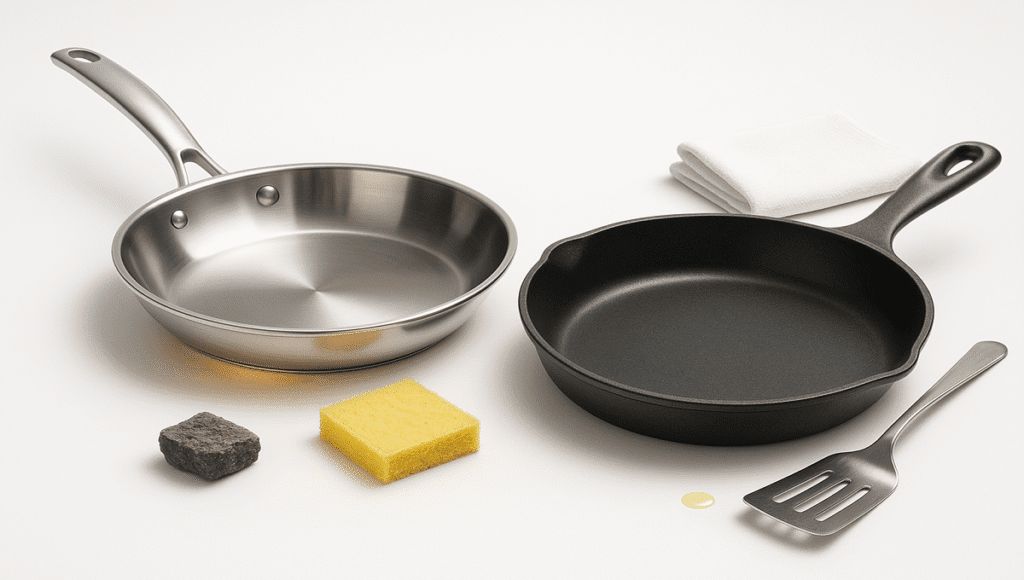
Wash polished cast iron with warm water and mild soap. Avoid using harsh detergents or steel wool. These can scratch the polished surface. Use a soft sponge or cloth to clean gently. Rinse well and dry immediately with a towel. Never leave the cookware to air dry. Moisture can cause rust on polished cast iron.
Seasoning Polished Surfaces
Lightly oil the polished surface after each use. Use a small amount of cooking oil and rub it evenly. This creates a thin protective layer. It prevents rust and keeps the surface smooth. Heat the cookware on low for a few minutes to set the oil. Avoid thick layers of oil. They can become sticky and attract dust.
Storage Tips For Polished Cookware
Store polished cast iron in a dry place. Avoid stacking heavy pots and pans directly on top. Use paper towels or cloth between pieces to prevent scratches. Keep lids off or slightly open to allow air circulation. This stops moisture buildup. Proper storage keeps polished surfaces bright and rust-free.
Durability And Longevity Insights
Polished cast iron cookware is known for its strength and lasting power. Many chefs and home cooks trust it because it stands up to heavy use. Understanding how durable this cookware is helps you make a smart choice for your kitchen. This section explains key points about its toughness and lifespan.
Resistance To Wear And Tear
Polished cast iron resists scratches and dents well. Its smooth surface lowers the chance of food sticking and causing damage. With proper care, it keeps a polished look for years. The dense metal holds up even after repeated heating and cooling cycles.
Maintaining Structural Integrity Over Time
The solid build of cast iron prevents warping or cracking. It handles high temperatures without losing shape. Regular seasoning creates a protective layer that enhances strength. This protection keeps the cookware safe from rust and corrosion.
Impact Of Proper Care On Longevity
Cleaning without harsh soaps helps preserve the finish. Drying immediately after washing stops moisture damage. Applying oil after each use maintains the seasoning. These habits extend the cookware’s life for decades.
Top Brands And Where To Buy
Polished cast iron cookware stands out for its durability and classic look. Many top brands offer high-quality options. Choosing the right brand matters for your cooking needs and budget. Knowing where to buy also helps you get the best deals and genuine products.
Le Creuset
Le Creuset is famous for colorful, polished cast iron pots. Their cookware lasts for decades with proper care. The smooth enamel surface resists rust and sticks less. Available in many sizes and shapes to suit all kitchens.
Lodge
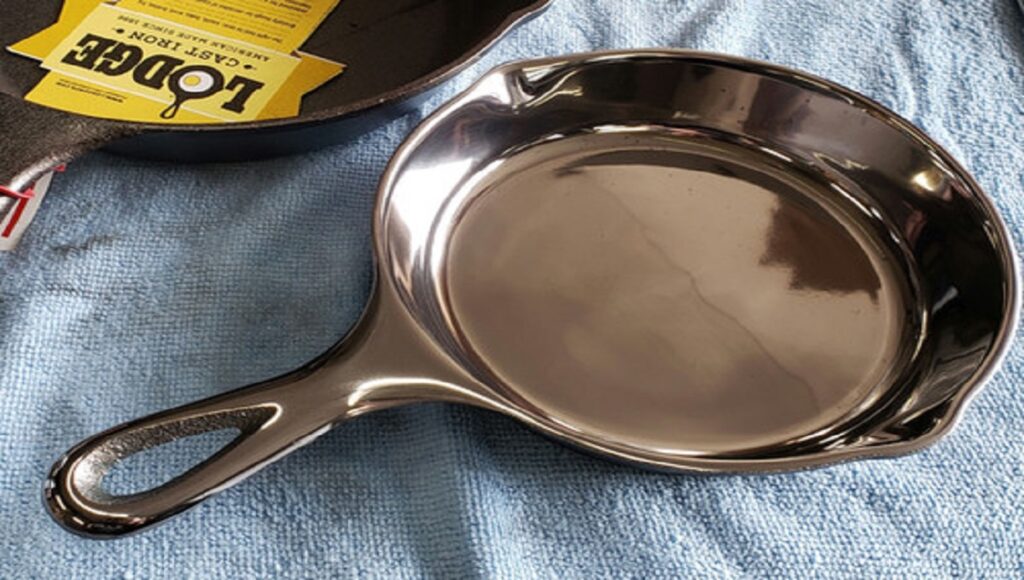
Lodge offers affordable and reliable polished cast iron cookware. Their products come pre-seasoned for easier cooking. They make skillets, Dutch ovens, and griddles. A great choice for beginners and budget shoppers.
Staub
Staub produces polished cast iron with a matte finish inside. This brand is known for excellent heat retention. Their cookware often features self-basting lids. Ideal for slow cooking and roasting meals evenly.
Where To Buy Polished Cast Iron Cookware
Buy from official brand websites for authentic products. Large retailers like Amazon and Walmart stock many options. Specialty kitchen stores often offer expert advice and demos. Check for sales to save money on quality cookware.
Frequently Asked Questions
What Is Polished Cast Iron Cookware?
Polished cast iron cookware has a smooth, shiny surface without rough texture or seasoning.
How Does Polished Cast Iron Differ From Regular Cast Iron?
Polished cast iron is smooth and easier to clean, unlike the rough surface of regular cast iron.
Is Polished Cast Iron Cookware Non-stick?
Polished cast iron is not naturally non-stick but develops a non-stick layer with proper seasoning.
Can Polished Cast Iron Cookware Be Used On All Stovetops?
Yes, polished cast iron works on gas, electric, induction, and even oven cooking.
How Do I Clean Polished Cast Iron Cookware?
Use warm water and a soft brush; avoid soap and harsh scrubbers to protect seasoning.
Does Polished Cast Iron Cookware Require Seasoning?
Yes, seasoning creates a protective, non-stick layer and prevents rust on polished cast iron.
Is Polished Cast Iron Cookware Durable?
Very durable; it lasts for years with proper care and seasoning maintenance.
Conclusion
Polished cast iron cookware offers durability and excellent heat retention. It cooks food evenly and lasts for many years. Caring for it is simple with regular seasoning. This type of cookware suits many cooking styles and recipes. It adds a classic touch to any kitchen.
Choosing polished cast iron means investing in quality and tradition. Try it and enjoy meals cooked to perfection every time.