

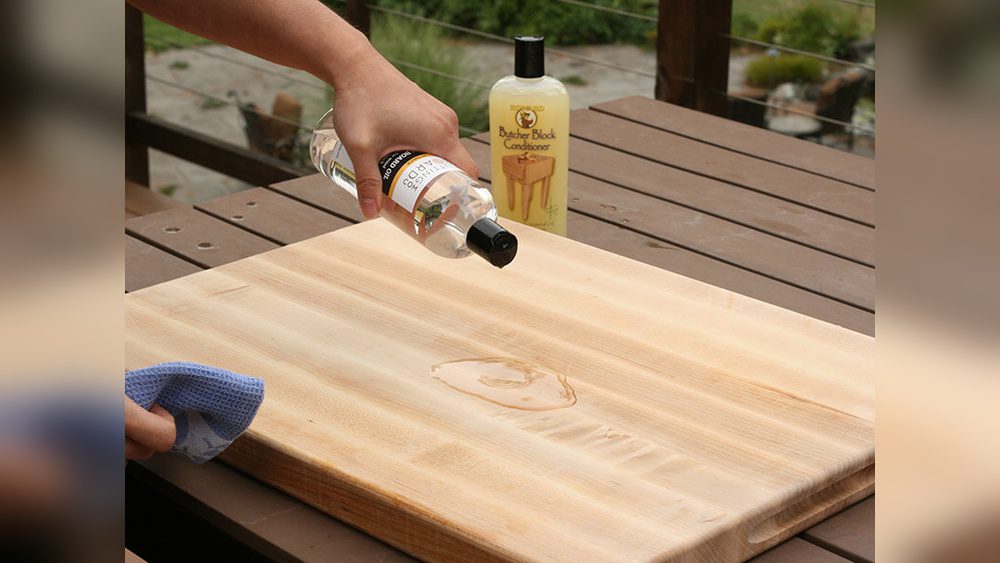
Oiling cutting board with mineral oil creates a food-safe barrier that boosts durability and stops drying. A simple guide trusted by cooks and chefs.
Oiling your cutting board with mineral oil is a simple step that can protect it from cracks, stains, and bacteria. If you want your board to last longer and stay looking fresh, this guide is exactly what you need. Keep reading, and you’ll learn how to care for your cutting board like a pro, making your kitchen safer and more enjoyable.
Choosing The Right Mineral Oil
Oiling a cutting board with mineral oil keeps it safe and lasts longer. Picking the right mineral oil is important for good care. Not all mineral oils work well for cutting boards. Some can be unsafe or not protect the wood enough.
Use mineral oil that is food-safe. This means it is safe for contact with food. It should be pure and free from harmful chemicals. Avoid oils with additives or fragrances. These can harm your health and the wood.
Food-grade Mineral Oil
Food-grade mineral oil is the best choice. It does not spoil or smell bad. It soaks into the wood and stops it from drying out. This type of oil is safe for use on surfaces that touch food.
Viscosity Of Mineral Oil
Viscosity means how thick or thin the oil is. Thin oils soak in faster and dry quicker. Thicker oils stay longer but take time to absorb. Choose an oil with medium thickness for easy use and good protection.
Avoiding Non-food Safe Oils
Some mineral oils are for machines or industrial use only. These may have harmful chemicals or impurities. Do not use motor oil or cosmetic oils on your cutting board. They can be toxic and damage the wood.

Preparing Your Cutting Board
Preparing your cutting board before oiling is important. It helps the mineral oil soak in well and keeps the board safe to use. Clean and dry the board properly to avoid any damage or bacteria buildup.
Take your time with this step. A well-prepared board lasts longer and stays looking good.
Cleaning The Cutting Board
Start by washing the board with warm water and mild soap. Use a soft sponge to remove food bits and stains. Avoid soaking the board or using harsh detergents. Rinse well to remove all soap.
Drying The Cutting Board
After washing, dry the board with a clean towel. Let it air dry fully before oiling. Moisture can stop the oil from soaking in properly. Make sure the board is completely dry to protect the wood.
Sanding For A Smooth Surface
If the board feels rough, lightly sand it with fine sandpaper. Sanding removes small cuts and makes the surface smooth. Wipe off the dust with a dry cloth before applying oil.
Cleaning Before Oiling
Cleaning your cutting board before oiling is very important. Dirt, food particles, and bacteria can hide in the wood. Oiling a dirty board will trap these problems inside. This can cause bad smells and damage the wood.
Proper cleaning helps the mineral oil soak in better. It keeps your board safe and lasts longer. A clean surface also looks nicer and feels smooth.
Remove Food Debris
Start by scraping off any food bits on the board. Use a plastic scraper or a stiff brush. Avoid metal tools that can scratch the wood. Then, rinse the board with warm water to wash away loose particles.
Wash With Mild Soap
Use a few drops of mild dish soap and warm water. Gently scrub the board with a sponge or soft cloth. This removes oils and stains from food. Rinse well to remove all soap, as leftover soap can affect the oil absorption.
Dry Completely
After washing, dry the board with a clean towel. Leave it standing upright to air dry fully. Moisture trapped in the wood stops the oil from soaking in. Always oil a board that is completely dry for best results.

How To Apply Mineral Oil
Applying mineral oil to a cutting board helps protect the wood. It keeps the board from drying out and cracking. The process is simple and only takes a few minutes. Follow these steps for the best results.
Prepare The Cutting Board
Clean the board well before oiling. Use warm water and mild soap. Dry it completely with a towel. Any moisture will stop the oil from soaking in properly.
Apply Mineral Oil
Pour a small amount of mineral oil on the board. Use a clean cloth or paper towel. Spread the oil evenly over the entire surface. Cover all sides, including the edges and bottom.
Let The Oil Soak In
Allow the oil to absorb into the wood. Wait at least 20 minutes. For very dry boards, leave the oil on overnight. This step helps the wood stay hydrated and strong.
Remove Excess Oil
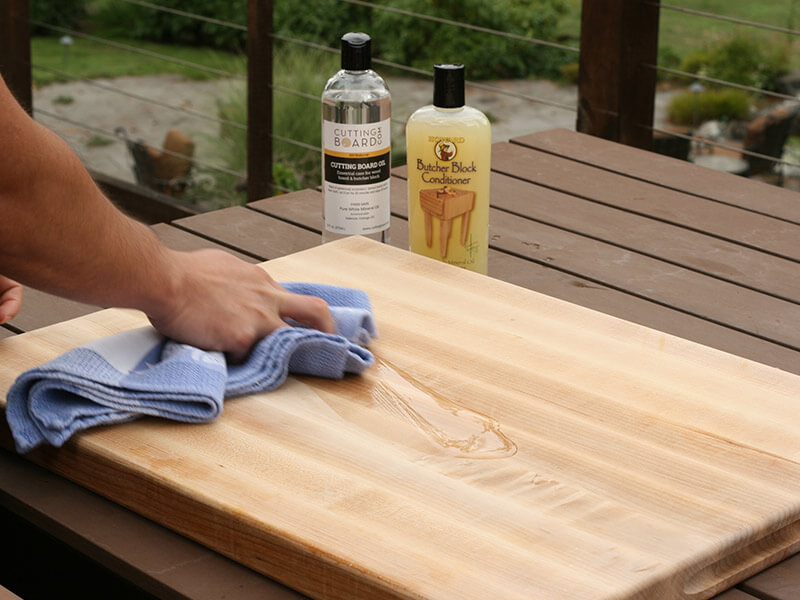
Wipe off any oil left on the surface. Use a dry cloth for this. Excess oil can make the board sticky or attract dust. Your cutting board will look clean and smooth.
Repeat Regularly
Oil your cutting board once a month. More often if you use it a lot. Regular oiling keeps the wood healthy and extends the board’s life.
Amount Of Oil To Use
Knowing the right amount of mineral oil to use on a cutting board is key. Too little oil will not protect the wood well. Too much oil can leave a sticky surface. Finding the right balance keeps your board healthy and smooth.
How Much Oil To Apply For A New Board
For a new cutting board, start with about two tablespoons of mineral oil. Spread the oil evenly using a clean cloth or paper towel. Let the board soak the oil for a few hours or overnight. Repeat this process 2-3 times to fully hydrate the wood.
Oiling A Used Cutting Board
For a used board, use one to two tablespoons of mineral oil. Apply the oil to dry and clean wood only. Rub the oil in small circles to cover all surfaces. Leave the oil to absorb for at least one hour before wiping off excess.
Amount Of Oil For Regular Maintenance
Maintain your cutting board by applying about one tablespoon of oil. This keeps the wood from drying out and cracking. Apply oil every few weeks or when the board looks dry. Use a soft cloth to spread the oil thinly and evenly.
Signs Of Using Too Much Oil
Too much oil leaves a greasy or sticky feel on the board. The surface may stay wet for hours after application. Excess oil can attract dirt and dust. Wipe off extra oil with a clean cloth to prevent this problem.
Absorption Time For Oil
Knowing the absorption time for mineral oil is key for caring for your cutting board. This time affects how well the oil protects and nourishes the wood. Different boards absorb oil at different rates. The wood type and condition change the time it takes. Understanding absorption helps you keep your board in good shape.
How Long Does Mineral Oil Take To Absorb?
Mineral oil usually absorbs into a cutting board within 20 to 30 minutes. Freshly sanded or dry boards soak up oil faster. Older boards or those oiled recently may take longer. It’s best to let the oil sit and penetrate the wood fully.
Signs Your Cutting Board Has Absorbed Enough Oil
The board will stop soaking up oil and feel less sticky. The surface looks smooth and slightly shiny. No pools of oil should remain on the surface. If the oil beads up, it means the board is well-oiled already.
Tips To Speed Up Absorption Time
Warm the mineral oil slightly before applying. Use a clean cloth to rub oil in small, circular motions. Apply thin layers rather than thick coats. Keep the board in a warm, dry area while the oil absorbs.
Wiping Off Excess Oil
After applying mineral oil to your cutting board, wiping off the excess oil is an important step. This helps your board soak in the right amount of oil without becoming sticky or oily. Removing the extra oil keeps the surface clean and ready for use.
Why Wipe Off Excess Oil?
Excess oil can leave a sticky layer on the cutting board. This sticky feeling can attract dust and dirt. It can also cause your board to feel greasy. Wiping off extra oil ensures the board stays smooth and clean.
How To Wipe Off Excess Oil Properly
Use a clean, dry cloth or paper towel. Gently rub the surface to remove oil that has not soaked in. Focus on areas with visible oil pools. Do not scrub too hard, just wipe softly.
When To Wipe Off Excess Oil
Wait about 10 to 15 minutes after oiling. This allows the wood to absorb the oil. Then, check for any leftover oil on the surface. Wipe off the extra before the oil dries.
Frequency Of Oiling
Oiling a cutting board with mineral oil keeps it safe and long-lasting. Regular oiling stops wood from drying out and cracking. It also helps keep the board clean and smooth. Knowing how often to oil your board is key for good care.
How Often To Oil A New Cutting Board
New boards need more care at the start. Oil your board once a week for the first month. This helps the wood soak up oil deeply. After that, you can oil less often.
Oiling Frequency For Regular Use
If you use your board daily, oil it every 1 to 2 weeks. For light use, oiling once a month works well. Watch the wood closely. When it looks dry or dull, it needs oil.
Signs Your Cutting Board Needs Oiling
Check for dryness or light color changes. Cracks or rough patches also mean oil is needed. Water soaking into the wood quickly is a clear sign. Oil your board as soon as you see these signs.
Benefits Of Oiling Cutting Boards
Oiling your cutting board with mineral oil is a simple step that brings many benefits. It protects the wood and keeps your board safe for food preparation. Regular oiling helps maintain the board’s quality and extends its life.
Using mineral oil is safe and easy. It soaks into the wood and stops it from drying out. This keeps the board strong and less likely to crack or warp over time.
Protects Against Moisture
Mineral oil creates a barrier that stops water from soaking into the wood. This prevents swelling and warping. Your cutting board stays flat and smooth even after many uses.
Keeps Wood From Cracking
Dry wood cracks and splits easily. Oiling adds moisture back into the board. It keeps the wood flexible and prevents small cracks from growing.
Prevents Bacteria Growth
A well-oiled board resists stains and odors. Oil fills the tiny spaces where bacteria hide. This keeps your board cleaner and safer for food.
Enhances Appearance
Mineral oil makes the wood look fresh and rich. It highlights the natural grain and color. Your cutting board will look new and well cared for.
Extends Cutting Board Life
Regular oiling slows wear and tear. It protects the wood from damage caused by knives and moisture. Your board lasts longer and stays in good shape.
Avoiding Common Mistakes
Oiling a cutting board with mineral oil is simple but easy to do wrong. Avoiding common mistakes keeps your board safe and lasting longer.
Here are some key tips to help you oil your cutting board correctly and prevent damage.
Choosing The Wrong Oil
Use only food-grade mineral oil. Cooking oils like olive or vegetable oil can turn rancid. Rancid oil smells bad and harms the wood. Avoid oils not made for cutting boards.
Applying Too Much Oil
Do not soak your board in oil. Excess oil leaves sticky, uneven spots. Apply thin, even coats instead. Let the oil soak in before adding more.
Skipping Regular Maintenance
Oiling once is not enough. Regular oiling protects wood from drying and cracking. Oil your board every few weeks or after heavy use.
Oiling A Dirty Board
Clean your board before oiling. Dirt and food particles block oil absorption. Wash with warm water and mild soap. Dry fully before applying oil.
Ignoring Drying Time
Let the oil soak overnight or at least a few hours. Rushing this step leaves a sticky surface. Proper drying helps the wood absorb the oil fully.
Alternative Oils For Cutting Boards
Mineral oil is the common choice for cutting boards. It soaks in well and protects wood from drying out. But some people want other options. Alternative oils can also keep your board safe and looking good.
These oils have different benefits. Some are natural and food-safe. Others may add a nice smell or finish. Knowing about these oils helps you pick the best one for your board.
Food-grade Coconut Oil
Coconut oil is natural and safe for food contact. It absorbs slowly and helps stop water from soaking in. This oil has a light scent that many enjoy. Choose refined coconut oil to avoid a strong coconut smell.
Beeswax And Oil Mixtures
Beeswax combined with oil makes a thick, protective layer. It seals the wood and stops moisture. This mix also gives a smooth finish. You can buy ready-made blends or make your own at home.
Walnut Oil
Walnut oil is a drying oil that hardens with air. It protects cutting boards well. Use only if no nut allergies are a concern. This oil enhances the wood’s natural color and shine.
Pure Linseed Oil
Pure linseed oil is another drying oil option. It soaks into the wood and forms a tough layer. Avoid boiled linseed oil, as it may contain harmful chemicals. Pure linseed oil can darken the wood slightly.
Grapeseed Oil
Grapeseed oil is light and odorless. It absorbs quickly and leaves no sticky feel. This oil does not go rancid fast, making it a good choice. It helps keep your cutting board clean and smooth.
Maintaining Board Longevity
Maintaining your cutting board’s longevity is key to keeping it safe and useful. Proper care helps the wood stay strong and prevents cracks. Oiling the board with mineral oil is a simple step that makes a big difference.
This process seals the wood, stopping it from drying out. It also protects the surface from stains and odors. Regular oiling keeps the board smooth and easy to clean.
Preventing Cracks And Warping
Dry wood can crack and warp over time. Mineral oil soaks into the wood and keeps it moist. This moisture stops the board from shrinking and bending.
Oiling often, especially after washing, helps the board keep its shape. A well-oiled board lasts much longer than one left dry.
Protecting Against Bacteria
Mineral oil creates a barrier on the board’s surface. This barrier blocks water and food particles from sinking in. Without oil, bacteria can grow in tiny cracks.
Keeping the board oiled makes cleaning easier and safer. It reduces the risk of harmful germs spreading to your food.
Maintaining Smooth Surface
Oiling fills in small scratches and rough spots. This keeps the surface smooth and gentle on knives. A smooth board is less likely to dull your blades.
Regular oiling also helps the wood look fresh and clean. It prevents the board from becoming rough and worn out.
Frequently Asked Questions
How Often Should I Oil My Cutting Board With Mineral Oil?
Oiling once a month keeps the board from drying and cracking. More often if used daily.
Why Use Mineral Oil Instead Of Other Oils For Cutting Boards?
Mineral oil is safe, odorless, and does not go rancid, unlike cooking oils.
Can Mineral Oil Prevent Bacteria On A Wooden Cutting Board?
It seals the wood, reducing moisture and bacteria growth but doesn’t kill bacteria.
How Do I Apply Mineral Oil To A Cutting Board Properly?
Use a clean cloth, spread oil evenly, let it soak for hours, then wipe off excess.
Will Oiling My Cutting Board Improve Its Lifespan?
Yes, regular oiling protects wood from water damage and warping, making it last longer.
Conclusion
Oiling your cutting board with mineral oil keeps it strong and clean. It stops the wood from drying out or cracking. Regular oiling also helps prevent stains and bad smells. Your board will last longer and stay safe for food.
Just a little oil goes a long way. Keep your cutting board looking fresh and ready for every meal. Simple care makes a big difference. Try oiling your board today and see the benefits yourself.