If you want your cast iron cookware to last a lifetime and cook your meals perfectly every time, seasoning it is key. But how exactly do you season cast iron cookware the right way?
You might have heard it’s tricky or time-consuming, but it’s actually simple once you know the steps. You’ll discover easy tips that will help you create a non-stick surface, prevent rust, and make your cast iron better with each use.
Keep reading to unlock the secret to making your cast iron cookware truly shine in your kitchen.
Benefits Of Seasoning Cast Iron
Seasoning cast iron cookware is a simple step that improves your cooking experience. It creates a natural, non-stick surface that gets better with use. Seasoning also protects the pan from rust and damage. This process extends the life of your cookware and makes cleaning easier.
Many people miss these benefits and struggle with sticky or rusty pans. Proper seasoning solves these problems. It turns your cast iron into a reliable kitchen tool.
Enhanced Non-stick Surface
Seasoning forms a smooth, non-stick coating on the pan. This coating helps food slide off easily. Less oil or butter is needed for cooking. It makes frying eggs, pancakes, and delicate foods simpler.
Rust Prevention
Cast iron can rust if it stays wet or dry. Seasoning adds a protective layer that keeps moisture out. This stops rust from forming. It keeps your cookware safe and ready to use.
Improved Flavor
Seasoned cast iron enhances food flavor. The oils used in seasoning add a subtle taste. Over time, the pan develops a unique seasoning that enriches dishes. This adds depth to your cooking.
Easy Cleaning
The seasoning layer helps prevent food from sticking. Cleaning becomes faster and requires less effort. You can wipe the pan with a cloth or rinse with water. No harsh scrubbing needed.
Longer Cookware Life
Regular seasoning protects the cast iron surface. It reduces wear and tear. This extends the life of your cookware. Well-seasoned pans can last for generations.
Choosing The Right Cast Iron
Choosing the right cast iron cookware is the first step to great cooking. Not all cast iron pans are the same. Some are better for seasoning and cooking than others. Picking the right one makes seasoning easier and results better.
Types Of Cast Iron Cookware
Cast iron comes in many forms. Skillets, griddles, Dutch ovens, and grill pans are popular types. Each has a different shape and use. Skillets are the most common and easy to season. Dutch ovens hold heat well for slow cooking.
Pre-seasoned Vs. Raw Cast Iron
Some cast iron pans come pre-seasoned from the factory. They have a layer of oil baked on. This saves time but may need more seasoning. Raw cast iron has no coating. It needs full seasoning before use. Raw cast iron can last longer if seasoned properly.
Size And Weight Considerations
Choose a size that fits your cooking needs. Small pans heat quickly but hold less food. Large pans are heavy but good for big meals. Weight matters. Heavy pans hold heat better. Light pans are easier to handle.
Brand And Quality
Good brands make better cast iron. Look for smooth surfaces and even thickness. Rough surfaces can be harder to season. Check reviews or ask for recommendations. Quality cast iron lasts for many years.
Gathering Essential Materials
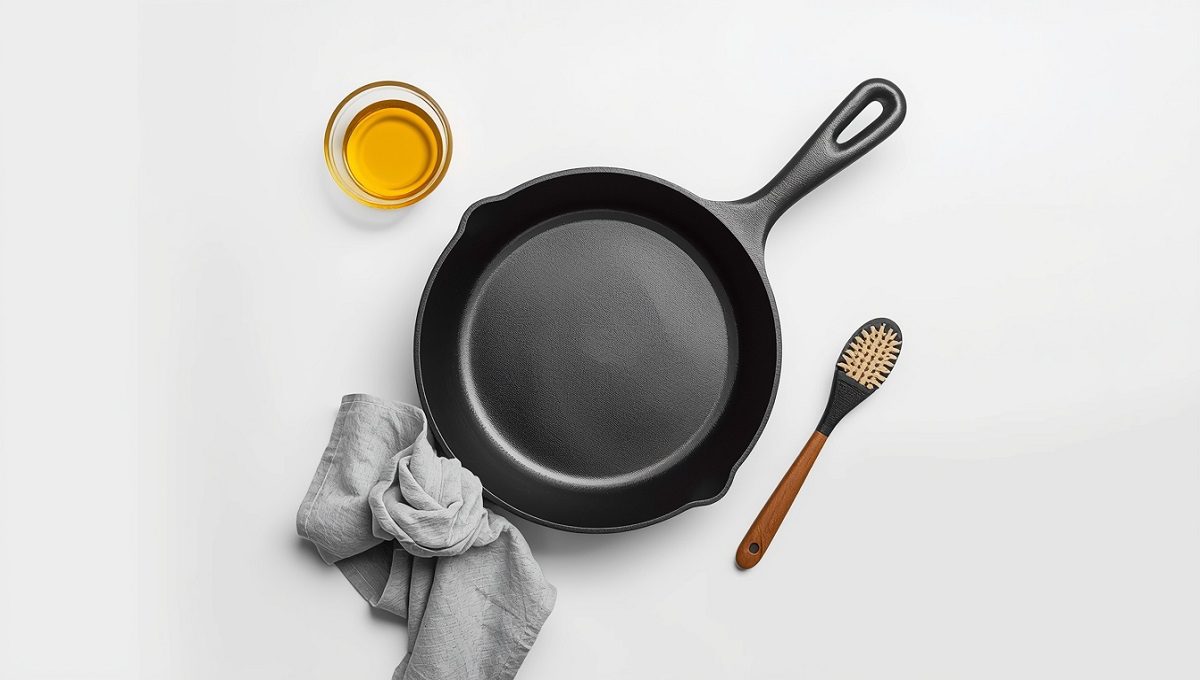
Gathering the right materials is the first step to seasoning cast iron cookware. You need simple items that help create a strong, non-stick surface. Prepare everything before you start for a smooth process.
Cast Iron Skillet Or Pan
Choose a clean, dry cast iron skillet or pan. Old or new, it must be free from rust and dirt. This ensures the seasoning sticks well to the surface.
Cooking Oil
Select an oil with a high smoke point. Flaxseed, vegetable, canola, or grapeseed oil works best. The oil creates a protective layer on the cookware.
Paper Towels Or Clean Cloth
Use paper towels or a soft cloth to spread the oil evenly. Avoid thick layers; a thin coat is enough. This prevents sticky residue after seasoning.
Oven Or Heat Source
Use a regular kitchen oven or a heat source that can reach 400-500°F (204-260°C). This heat bonds the oil to the cast iron, forming a durable surface.
Aluminum Foil Or Baking Sheet
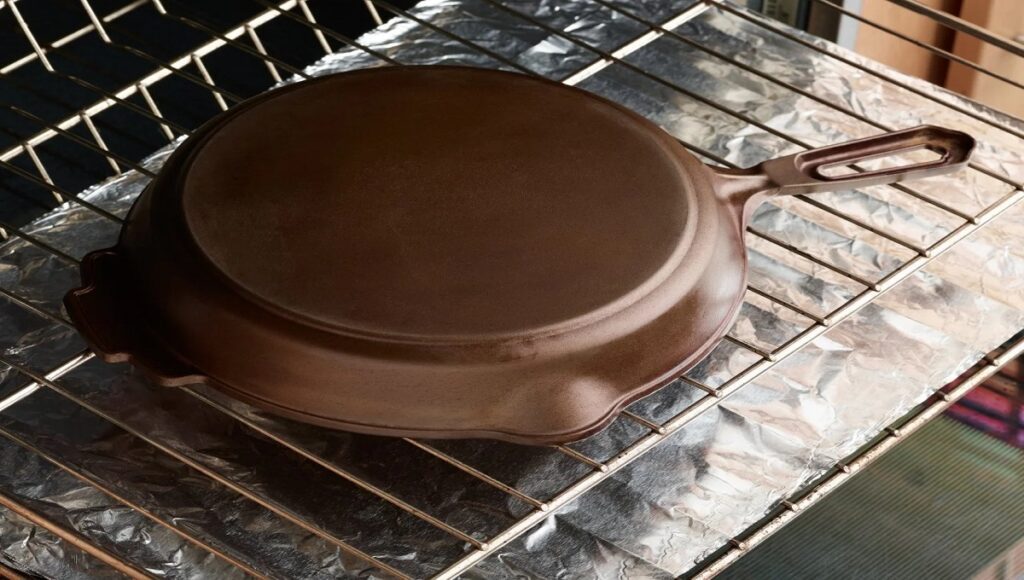
Line the oven rack with aluminum foil or place a baking sheet below the skillet. This catches any oil drips and keeps your oven clean.
Cleaning Before Seasoning
Cleaning your cast iron cookware before seasoning is very important. Dirt, rust, and old oil can stop the seasoning from sticking well. Proper cleaning gives your pan a fresh start. It helps the oil bond to the iron and protects your pan from damage.
Use the right cleaning method to keep your cast iron safe. Avoid harsh soaps or scrubbing too hard. A clean surface means better seasoning and longer-lasting cookware.
Removing Rust And Old Seasoning
Rust and old seasoning can block new oil from sticking. Use steel wool or a scrub brush to remove rust. Scrub the pan until the surface looks smooth and clean. Rinse with warm water and dry it well. This step prepares the pan for the best seasoning results.
Washing With Mild Soap
A little mild soap helps remove grease and dirt. Use a soft sponge to clean the pan gently. Rinse thoroughly to remove all soap. Soap should be used only before the first seasoning. After that, avoid soap to keep the seasoning strong.
Drying Completely Before Seasoning
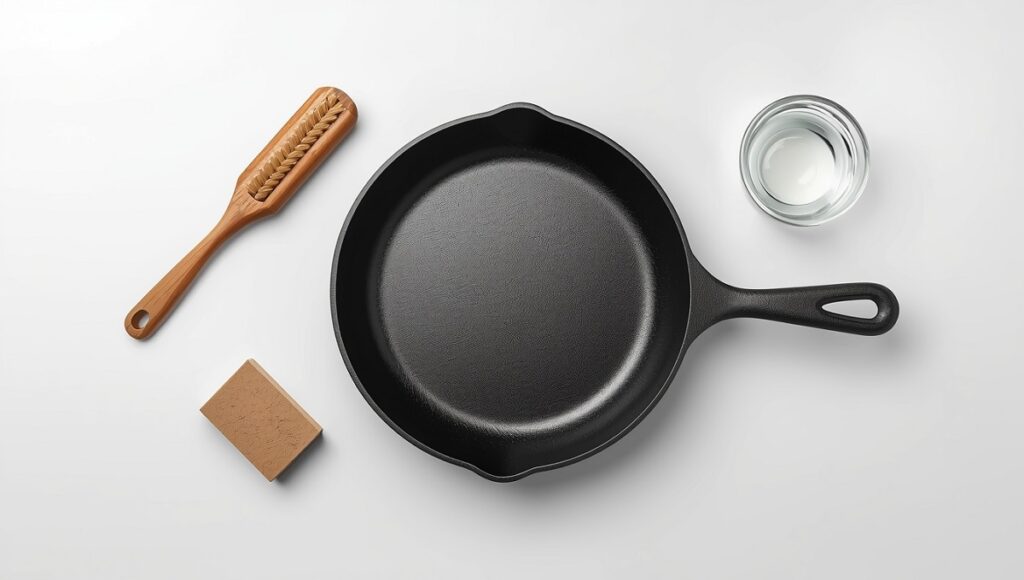
Water left on the pan can cause rust. Dry your cookware completely with a towel. To be sure, heat it on the stove for a few minutes. This removes any extra moisture and gets the pan ready for oiling.
Drying Your Cookware Properly
Drying your cast iron cookware correctly helps keep it rust-free and ready for use. Water left on the surface invites rust. This step is important after washing your pan.
Proper drying also prepares the pan for seasoning. It makes sure the oil sticks well to the surface. A well-dried pan lasts longer and cooks better.
Use A Clean, Dry Cloth
Wipe your cookware with a clean towel right after washing. A cloth removes most of the water quickly. Choose a towel that absorbs well and is free of lint.
Heat The Pan On Low
Place the cookware on low heat on your stove. Let it warm for a few minutes. The heat dries any leftover moisture deeply inside the pan.
Air Dry In A Warm Place
Set your cookware in a warm spot to air dry if you prefer. Avoid damp or cold areas. Warm air helps evaporate hidden water droplets.
Selecting The Best Oil
Selecting the best oil is key to seasoning cast iron cookware well. The right oil helps create a strong, smooth, and non-stick surface. It must withstand high heat and build a good layer on the pan. Different oils have different smoke points and flavors. Choosing the best one can make a big difference in your seasoning results.
What Is Smoke Point And Why It Matters
Smoke point is the temperature when oil starts to burn and smoke. Oils with high smoke points are better for seasoning. They can handle the heat without breaking down. Low smoke point oils can leave sticky layers. High smoke point oils create a hard, durable coating.
Top Oils For Seasoning Cast Iron
Flaxseed oil is popular for seasoning. It dries hard and builds a strong layer. Grapeseed oil is another good choice with a high smoke point. Canola oil and vegetable oil work well too. They are easy to find and affordable. Avoid oils with low smoke points like olive oil.
Oils To Avoid
Butter and coconut oil are not good for seasoning. Their low smoke points cause sticky residue. Olive oil can burn and leave a bad taste. Avoid oils with strong flavors that stay on the pan. Stick to neutral oils for the best results.
Applying Oil Evenly
Applying oil evenly is key to a well-seasoned cast iron pan. It protects the surface and stops food from sticking. Even oil coverage helps build a smooth, durable layer over time.
Uneven oil can cause sticky spots or rough patches. Too much oil leads to a sticky, gummy surface. Too little oil leaves the pan exposed to rust.
Choose The Right Oil
Select an oil with a high smoke point. Flaxseed, canola, or vegetable oils work well. These oils create a strong, hard layer when heated.
Use A Small Amount
Pour a small amount of oil into the pan. Start with a teaspoon or less. Adding too much oil makes the seasoning sticky and uneven.
Spread Oil With A Cloth Or Paper Towel
Use a clean cloth or paper towel to spread oil. Rub it all over the inside surface of the pan. Make sure to cover the sides and bottom evenly.
Remove Excess Oil
Wipe off any extra oil with a dry cloth or towel. The pan should look shiny but not greasy. Excess oil can create sticky spots during baking.
Heating Techniques For Seasoning
Heating plays a key role in seasoning cast iron cookware. Proper heat helps oil bond to the pan’s surface. This creates a non-stick, rust-resistant layer. Different heating methods work well. Each method has its own benefits and steps.
Oven Heating Method
Preheat your oven to 450°F (232°C). Spread a thin layer of oil on the pan. Place the pan upside down on the oven rack. Use a baking sheet below to catch drips. Bake for one hour to allow oil to polymerize. Turn off the oven and let the pan cool inside. This method heats evenly and works well for full seasoning.
Stovetop Heating Method
Heat the pan slowly over medium heat. Add oil and spread it evenly inside. Keep heating until the oil starts to smoke lightly. Remove from heat and let it cool. Repeat this process several times. This method is quick and good for touch-ups. It helps build seasoning in layers.
Open Flame Heating Method
Hold the pan over a gas burner or campfire flame. Rotate the pan to heat all surfaces evenly. Apply oil and heat until it smokes gently. This method works well outdoors or for small pans. It requires careful attention to avoid burning the oil.
Cooling And Repeating Process
After applying oil and heating your cast iron cookware, the cooling and repeating process is key. This step builds a strong, smooth layer that protects the pan. Patience is important. Each cycle adds more seasoning and improves the pan’s surface.
Cooling lets the oil harden and bind to the iron. Skipping this step can cause uneven seasoning or sticky spots. Cool your cookware at room temperature. Avoid rushing by putting it in cold water or the fridge.
Repeating the process several times creates a durable, non-stick coating. The more layers you add, the better the pan performs. This also helps prevent rust and extends the pan’s life.
How To Cool Your Cast Iron Safely
After heating, turn off the oven and let the pan cool inside. This prevents sudden temperature changes that could crack the iron. Wait at least 30 minutes or until it feels cool to touch.
How Many Times To Repeat Seasoning
Season your cast iron at least three times for best results. More cycles give a better finish. Each round takes about an hour, including heating and cooling.
Signs Your Cast Iron Is Ready
Your pan looks smooth and has a shiny black surface. It feels slick and resists water. Food slides easily when cooking. These signs show a strong seasoning layer.
Maintaining The Seasoned Surface
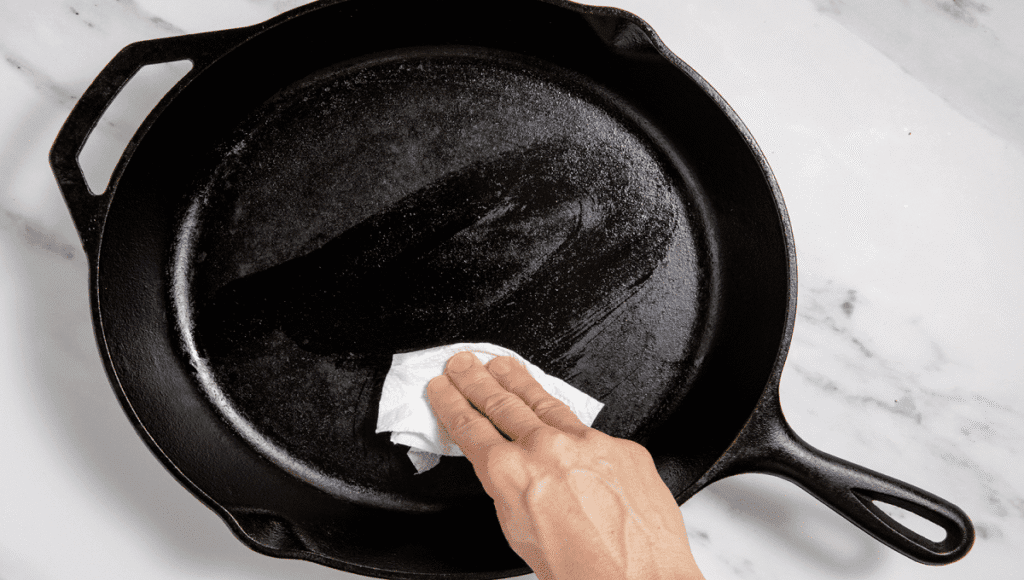
Maintaining the seasoned surface of cast iron cookware is key to its long life. The seasoning creates a natural, non-stick coating. It also protects the pan from rust and damage. Careful maintenance keeps this layer strong and effective.
Proper cleaning and storage are simple ways to protect the seasoning. Avoid harsh soaps or scrubbing pads. These can strip the seasoning away. Gentle cleaning preserves the smooth surface and enhances cooking performance.
Cleaning Without Damaging The Seasoning
Use warm water and a soft sponge to clean the pan. Avoid soap or use only a small amount if needed. For stuck food, scrub gently with a brush or coarse salt. Rinse well and dry the pan completely.
Drying And Oiling After Use
Dry the cast iron immediately after washing. Use a towel or heat it on the stove. Once dry, apply a thin layer of cooking oil. This step helps keep the seasoning safe and prevents rust.
Re-seasoning Small Areas When Needed
Sometimes the seasoning wears off in spots. Apply a thin layer of oil to these areas. Heat the pan in the oven for an hour at 350°F (175°C). This process restores the non-stick surface quickly.
Proper Storage To Protect The Surface
Store cast iron cookware in a dry place. Avoid stacking pans without protection. Place paper towels between pans to absorb moisture. This prevents rust and keeps the seasoning intact.
Common Mistakes To Avoid
Seasoning cast iron cookware takes patience and care. Many people make simple mistakes that stop their pans from becoming non-stick and rust-free. Avoiding these common errors can save time and keep your cookware in top shape.
Here are some mistakes to watch out for during the seasoning process.
Not Cleaning The Pan Properly Before Seasoning
Old food and grease block the seasoning layer. Always clean the pan well with hot water and a brush. Avoid soap or use very little if needed. Dry the pan completely before starting to season.
Using Too Much Oil
Thick layers of oil cause sticky or uneven seasoning. Apply a thin, even coat. Wipe off extra oil with a paper towel. Thin layers bond better and create a smooth surface.
Seasoning At The Wrong Temperature
Too low heat won’t bond the oil properly. Too high heat can burn the oil and ruin the layer. Follow the recipe or instructions for the right oven temperature. Usually, 375-450°F works best.
Skipping The Heating Step
Oil must bake into the metal to form a strong layer. Just wiping oil on the pan and storing it does not work. Heat your pan after applying oil to build a tough coating.
Not Letting The Pan Cool Properly
Removing the pan from the oven too soon can damage the seasoning. Let the pan cool inside the oven. This helps the layer set evenly and last longer.
Seasoning Too Often Or Too Rarely
Seasoning too often creates thick, rough layers. Doing it too rarely allows rust and food to stick. Season only when needed. Look for dull spots or rust as signs.
Tips For Long-lasting Non-stick Cast Iron
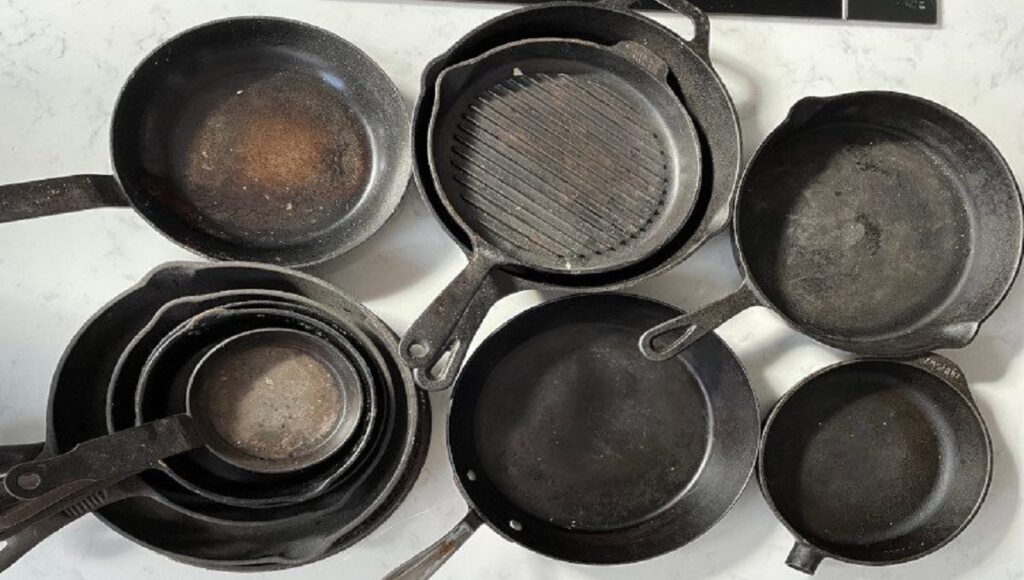
Keeping cast iron cookware non-stick takes care and attention. Proper seasoning is the key to a smooth cooking surface. It creates a natural, protective layer that keeps food from sticking.
Follow these tips to keep your cast iron cooking well for years. A well-seasoned pan improves with use and care. Small habits make a big difference in maintaining that non-stick finish.
Clean Cast Iron Without Harsh Soaps
Use warm water and a soft brush or sponge to clean. Avoid strong soaps or detergents that strip seasoning. After washing, dry the pan completely to stop rust.
Apply A Thin Layer Of Oil After Each Use
Rub a small amount of cooking oil on the pan’s surface. Use oils like vegetable, flaxseed, or canola oil. This keeps the seasoning fresh and fills small cracks.
Heat The Pan To Maintain Seasoning
After oiling, warm the pan on low heat for a few minutes. This helps the oil soak in and harden the seasoning layer. Let the pan cool before storing.
Cook With Fat To Build Up Seasoning
Use butter, oil, or bacon fat when cooking. These fats add more layers to the seasoning. They make the pan’s surface smoother and more non-stick.
Avoid Cooking Acidic Foods Often
Foods like tomatoes or vinegar can break down seasoning. Cook these only occasionally in cast iron. If needed, re-season the pan soon after acidic meals.
Store Cast Iron In A Dry Place
Keep your cookware in a dry spot to prevent rust. Place a paper towel inside the pan to absorb moisture. Proper storage protects the seasoning and pan.
Frequently Asked Questions
What Is Cast Iron Seasoning And Why Is It Important?
Seasoning creates a protective layer on cast iron. It stops rust and makes cooking easier.
How Often Should I Season My Cast Iron Cookware?
Season cast iron after every few uses or when food starts to stick.
What Oil Is Best For Seasoning Cast Iron?
Use oils with high smoke points like flaxseed, vegetable, or canola oil.
Can I Season Cast Iron In A Regular Kitchen Oven?
Yes, heating cast iron in an oven helps oil bond and form seasoning.
How Long Does The Seasoning Process Take?
Seasoning usually takes about one hour in the oven plus cooling time.
Can I Use Soap To Clean Seasoned Cast Iron?
Mild soap is okay sometimes, but avoid harsh soap to protect seasoning.
What Signs Show My Cast Iron Needs Reseasoning?
Rust, dull color, or food sticking means it’s time to reseason your pan.
Conclusion
Seasoning cast iron cookware keeps it non-stick and rust-free. It also improves the taste of your food. Regular care helps your pan last for many years. Simple steps like applying oil and heating make a big difference. A well-seasoned pan cooks evenly and cleans easily.
Keep seasoning often to protect your investment. Enjoy cooking with your cast iron every day!