

Are you ready to tackle your next tiling project but unsure how to cut cement backer board without making a mess? Cutting this tough material might seem tricky, but with the right tools and simple steps, you can do it cleanly and safely.
Whether you’re a DIY beginner or just want to save time and avoid frustration, this guide will walk you through everything you need to know. Keep reading to discover easy tips that will make your cement backer board cuts precise and stress-free.
Your project deserves a strong foundation—let’s get started!
Choosing The Right Tools
Choosing the right tools is key to cutting cement backer board safely and accurately. The right tools make the job easier and help avoid damage to the board. Using proper equipment also reduces dust and mess. This section explains the best tools to use and why they matter.
Using A Utility Knife For Scoring
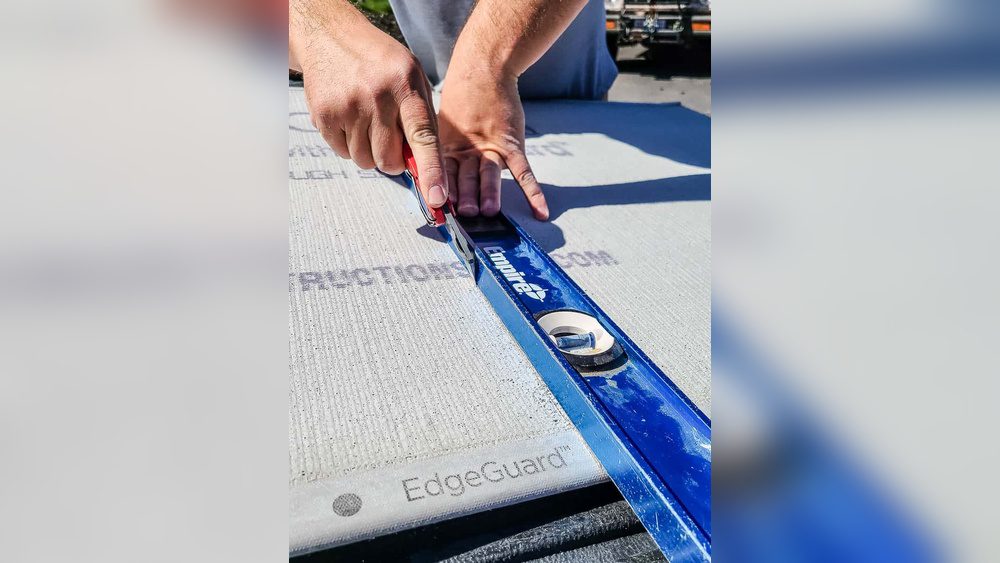
A utility knife is great for scoring thin backer boards. Score the surface several times to create a clean line. Apply firm pressure to cut through the paper layer. Snap the board along the score line for a neat break. This method is quiet and creates less dust.
Power Tools For Thicker Boards
Thicker backer boards need power tools like a circular saw or jigsaw. Use a carbide-tipped blade designed for cement board. Cut slowly to avoid chipping or cracking. Wear a mask to protect from dust. Power tools speed up cutting and deliver straight edges.
Using A Backer Board Scoring Tool
A scoring tool is made for cement boards. It scores and snaps boards cleanly without power tools. This tool is simple and safe for small projects. It works best with thin or medium-thickness boards. The scoring tool reduces dust and noise compared to saws.
Safety Gear Essentials
Cutting cement backer board creates dust and sharp edges. Protecting yourself is important. Wearing the right safety gear lowers injury risks and keeps you comfortable. This section covers must-have safety gear for this job.
Eye Protection
Dust and small particles fly during cutting. Wear safety goggles or glasses. Choose ones that fit tightly. They stop dust from getting into your eyes.
Respiratory Mask
Cement dust can harm your lungs. Use a dust mask or respirator. Make sure it fits well over your nose and mouth. This prevents breathing in harmful dust.
Gloves
Backer board edges can cut your hands. Wear thick work gloves. They protect against cuts and scrapes. Gloves also improve your grip on tools.
Hearing Protection
Cutting tools can be loud. Use earplugs or earmuffs. Protect your ears from noise damage during long work periods.
Long Sleeves And Pants
Wear long sleeves and pants to protect your skin. Cement dust and sharp edges can irritate or cut skin. Choose durable, comfortable clothing for better safety.
Measuring Your Backer Board
Measuring your cement backer board correctly is the first step to a clean and precise cut. Accurate measurements help avoid mistakes and save material. Taking your time during this stage makes installation easier and faster.
Use a tape measure to get exact dimensions of the area where the backer board will go. Write down these numbers clearly. Double-check the measurements before marking your board to ensure accuracy.
Choose The Right Measuring Tools
A metal tape measure works best for cement backer boards. It stays straight and does not stretch. A carpenter’s pencil or a fine-tip marker helps make clear lines on the board.
Mark Straight Lines On The Board
Use a straight edge or a ruler to draw cutting lines. This keeps your cuts neat and accurate. Avoid freehand marking; it can cause uneven edges.
Account For Joints And Gaps
Leave a small gap between boards for expansion. Usually, a 1/8-inch space is enough. Mark these gaps on your measurements to prevent tight fits.
Double-check All Measurements
Measure twice before cutting. Confirm the length and width on both the board and the installation area. This step reduces waste and rework.
Marking Cut Lines Accurately
Start by measuring carefully and marking the cut lines clearly on the backer board. Use a straight edge to draw precise lines for accurate cutting. Clean marks help avoid mistakes and make cutting easier.
Why Accurate Marking Matters
Marking cut lines on cement backer board is a crucial step. It guides the saw and ensures a clean, precise cut. Poor markings can cause uneven edges or wasted material. Accurate lines make the cutting process faster and easier. They help fit the board perfectly in your project space.
Tools For Precise Marking
Use a pencil or a fine-tip marker to draw lines. Choose a tool that shows clearly on the board surface. A straightedge or ruler helps keep lines straight. A square tool ensures right angles on corners and edges. These tools improve accuracy and reduce mistakes.
Steps To Mark Cut Lines Correctly
First, measure the exact length and width needed. Double-check measurements before marking. Place the straightedge along the measurement points. Draw a light, straight line along the edge. Check the line visually to confirm it is straight. Mark all cuts before starting to saw.
Scoring The Backer Board
Scoring the backer board is a simple and effective way to cut cement backer board. This method helps make clean, straight cuts without special tools. It involves marking a line and then creating a shallow groove along it. The groove weakens the board, allowing it to snap easily and neatly.
This technique saves time and reduces dust compared to using a saw. It works well for straight cuts and small adjustments. Understanding how to score the backer board ensures better fitting and smoother installation.
Tools Needed For Scoring
Gather a utility knife, a straight edge, and a pencil. The utility knife makes the groove. The straight edge guides the cut line. The pencil helps mark the exact place to score.
Marking The Cut Line
Use the pencil and straight edge to draw a clear line. Make sure the line is straight and in the right place. Double-check measurements before scoring to avoid mistakes.
Creating The Score Line
Press the utility knife firmly along the marked line. Make several passes to deepen the groove. Avoid cutting too deep at once; do it gradually for a clean break.
Snapping The Board
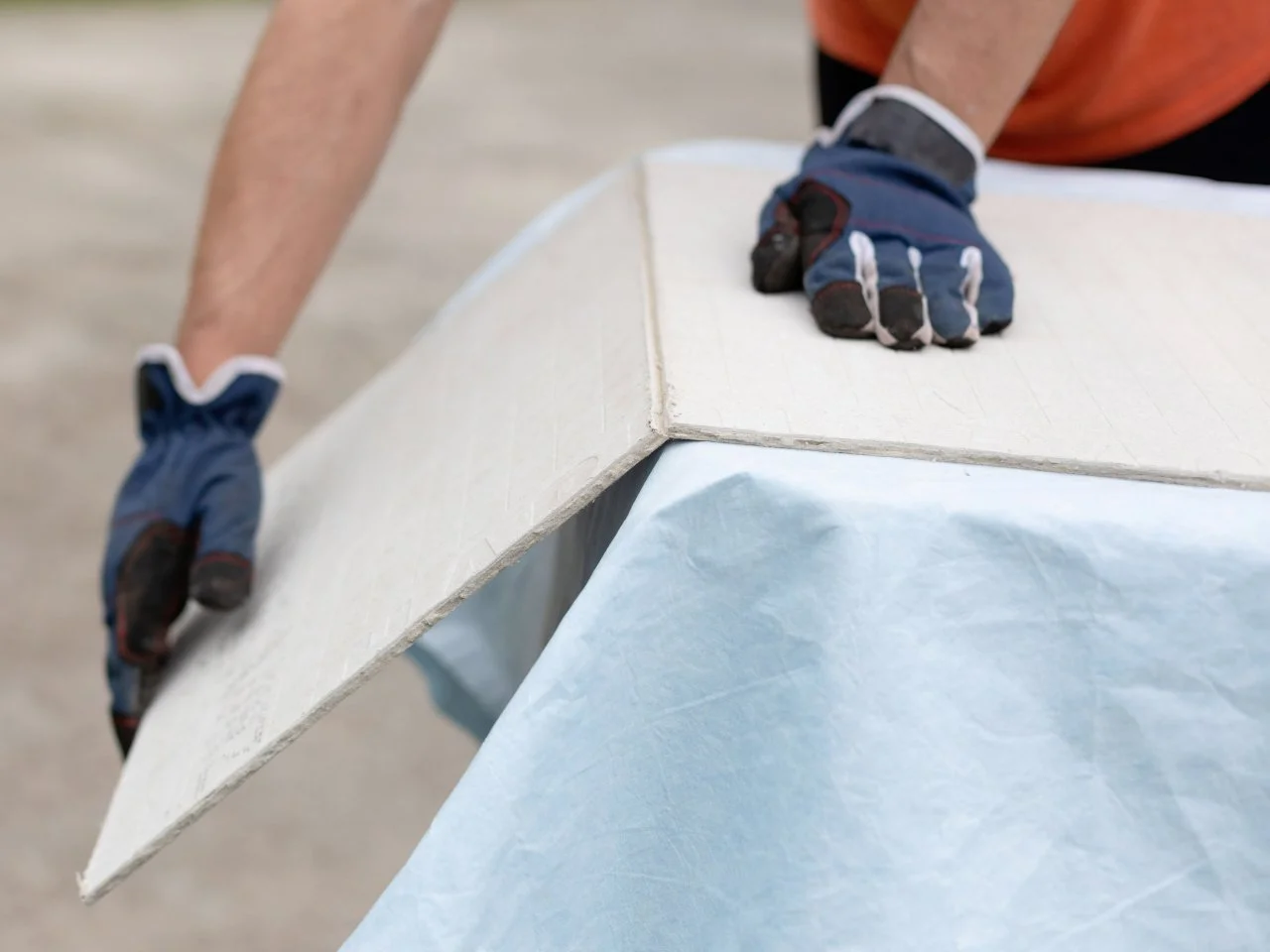
Place the board on a flat surface with the score line at the edge. Hold the board firmly on both sides of the line. Apply gentle downward pressure to snap it along the groove.
Snapping The Board Cleanly
Snapping cement backer board cleanly is a key step in many tiling projects. It helps create smooth edges and accurate sizes for installation. The process is simple but requires the right tools and careful technique. A clean snap means less sanding and a better fit for tiles.
Prepare the board by marking the cut line clearly. Use a straight edge and pencil or chalk for accuracy. Score the line deeply with a utility knife to weaken the board along the path. This helps the board break smoothly.
Score The Board Thoroughly
Use a sharp utility knife to cut along the marked line. Press firmly and score several times. The goal is to create a deep groove. This groove guides the snap and prevents uneven breaks.
Position The Board For Snapping
Place the board on a flat surface. Align the scored line with the edge of a table or workbench. Support the board on both sides of the line to avoid cracking outside the score.
Apply Even Pressure To Snap
Hold the board firmly on one side. Press down on the other side with even, steady force. The board will snap cleanly along the scored line. Avoid quick or uneven pressure to prevent splintering.
Using A Saw For Complex Cuts
Using a saw for complex cuts on cement backer board requires care and the right tools. These cuts often need precision and control to fit around corners, pipes, or other shapes. The right saw helps you make clean, accurate cuts without damaging the board.
Choosing the correct blade and saw type makes a big difference. Safety is also important because cutting cement backer board creates dust and small debris. Proper preparation and technique improve the quality of your work.
Choosing The Right Saw For Complex Cuts
Use a jigsaw or a circular saw with a diamond blade. Jigsaws are good for curves and irregular shapes. Circular saws work well for straight, angled cuts. A diamond blade cuts through cement board smoothly. Avoid using regular wood blades; they wear out fast.
Preparing The Cement Backer Board
Mark your cut lines clearly with a pencil or marker. Secure the board on a stable surface. Use clamps to prevent movement. Wear safety glasses and a mask to protect yourself from dust. Score along the cut line before sawing to reduce chipping.
Cutting Techniques For Complex Shapes
Start slowly to follow your marked line. Let the saw do the work; do not force the blade. For curves, use a jigsaw and move the blade steadily. Make relief cuts to help turn corners easily. Take breaks if needed to maintain control and accuracy.
Cutting Curves And Shapes
Cutting curves and shapes in cement backer board can be tricky. Unlike straight cuts, curves need more care and patience. Using the right tools helps create smooth, accurate shapes without cracking the board.
Planning the shape before cutting is important. Mark the curve clearly with a pencil or marker. This guide helps keep the cut clean and precise. Take your time, and work slowly to avoid mistakes.
Using A Jigsaw For Curves
A jigsaw is the best tool for cutting curves in cement backer board. Use a blade made for masonry or carbide. Cut along the marked line gently. Keep the base of the jigsaw flat on the board to avoid chipping. Move the saw slowly to follow the curve smoothly.
Scoring And Breaking Method
This method works for simple curves. Score the curve line with a utility knife. Score several times to deepen the cut. Then, snap the board along the scored line. Use a rasp or sanding block to smooth rough edges. This method is less precise but faster for basic shapes.
Using A Rasp Or Sanding Block
After cutting, edges may feel rough or sharp. Use a rasp or sanding block to smooth the edges. Work gently to avoid breaking the board. This step improves the fit of the board and prevents injury during installation.
Smoothing Rough Edges
Smoothing rough edges on cement backer board is key for a safe, clean finish. Sharp edges can cause cuts or make tile installation tricky. Taking time to smooth edges ensures better adhesion and a professional look.
Use simple tools and techniques to soften the cut areas. This step is quick but improves the overall quality of your project.
Sanding With A Sanding Block
Use a sanding block with medium-grit sandpaper. Rub the edges gently to remove sharp bits. Move the block back and forth evenly. Check often to avoid sanding too much. This method works well for small rough spots.
Filing With A Metal File
A metal file removes rough edges faster than sanding. Hold the file at a slight angle to the edge. Push and pull smoothly along the cut side. Focus on corners and uneven parts. Wear gloves to protect your hands.
Using A Diamond Hand Pad
Diamond hand pads are made for tough materials like cement board. Rub the pad along rough edges with firm pressure. The diamond grit smooths the surface quickly. Rinse the pad often to clear dust. This tool lasts longer than sandpaper.
Cleaning The Edges After Smoothing
Wipe the edges with a damp cloth after sanding or filing. Remove dust and debris to keep the surface clean. A clean edge helps tile adhesive stick better. Let the board dry before moving to the next step.

Handling Dust And Cleanup
Cutting cement backer board creates a lot of dust. This dust can irritate your eyes, throat, and lungs. Handling dust properly helps keep your work area safe and clean. It also makes cleanup easier and faster.
Taking steps before cutting reduces dust spread. Using the right tools and safety gear protects you. Cleaning up well stops dust from lingering in your home.
Wear Protective Gear
Always wear a dust mask or respirator. This stops harmful dust from entering your lungs. Use safety goggles to protect your eyes. Gloves protect your hands from sharp edges and dust.
Cut In A Well-ventilated Area
Cutting outside or near open windows lowers dust buildup. Fresh air moves dust away from your work space. Avoid cutting in small, closed rooms without airflow.
Use Dust Control Tools
Attach a vacuum to your saw to catch dust. Some saws have built-in dust collection systems. Wet cutting also reduces dust but use water carefully to avoid mess.
Clean Up Thoroughly
Use a vacuum with a HEPA filter to clean dust. Avoid sweeping, as this spreads dust into the air. Wipe surfaces with a damp cloth to remove residue. Dispose of dust and debris safely to prevent spreading.
Common Mistakes To Avoid
Cement backer board is tough and needs special care while cutting. Many people make simple mistakes that cause cracks or uneven edges. Avoiding these errors saves time and makes your project look better.
Understanding common mistakes helps you cut the board cleanly. It also helps keep the board strong and ready for tile or other finishes.
Using The Wrong Tools
Sharp tools make clean cuts. Dull blades cause rough edges and cracks. Use a carbide-tipped scoring knife or a power saw with a diamond blade. Avoid regular wood saws; they wear out fast and damage the board.
Cutting Without Measuring Twice
Cutting without measuring twice leads to wasted material. Always measure carefully and mark the cut line clearly. Double-check your marks before cutting to avoid mistakes.
Applying Too Much Pressure
Pressing hard while cutting can crack the board. Let the tool do the work. Use steady, gentle pressure to score or saw through the board smoothly.
Ignoring Safety Precautions
Cement backer board creates dust that irritates lungs and eyes. Wear a mask and safety glasses. Cut outside or in a well-ventilated area to stay safe.
Not Supporting The Board Properly
Cutting unsupported board causes breakage. Place the board on a flat, sturdy surface. Support both sides of the cut line for clean results.

Tips For Professional Results
Cutting cement backer board requires care and the right approach. Following some key tips helps you get clean, precise cuts every time. These tips reduce dust and save time. They also protect your tools and keep you safe.
Choose The Right Tools
Use a carbide-tipped scoring knife or a circular saw with a diamond blade. These tools cut through cement backer board smoothly. Avoid using regular saw blades that wear out quickly.
Measure And Mark Clearly
Measure twice to avoid mistakes. Use a pencil or chalk to mark cut lines clearly. Straight lines guide your cuts and keep edges neat.
Score Before Cutting
Score the backer board along the marked line with a utility knife. This makes it easier to snap the board cleanly. Scoring also reduces dust and saves blade life.
Use Proper Safety Gear
Wear a dust mask and safety goggles. Cutting cement board creates fine dust that can harm your lungs and eyes. Gloves protect your hands from rough edges.
Cut Slowly And Steadily
Cut at a slow, steady pace. Rushing causes jagged edges and blade damage. A steady hand gives professional, smooth results.
Support The Board Well
Place the board on a flat, stable surface. Support both sides of the cut line to prevent cracking. Use sawhorses or a workbench for support.
Frequently Asked Questions
How Do You Score Cement Backer Board Before Cutting?
Score the board deeply with a utility knife along a straight edge, then snap it cleanly.
What Tools Are Best For Cutting Cement Backer Board?
Use a utility knife, carbide-tipped scoring knife, or a power saw with a diamond blade.
Can You Cut Cement Backer Board With A Handsaw?
Yes, a fine-toothed handsaw can cut it but takes more effort and time.
How To Reduce Dust While Cutting Cement Backer Board?
Cut slowly, use wet methods, or wear a dust mask for safety and less dust.
Is It Safe To Cut Cement Backer Board Indoors?
Use good ventilation and a dust mask to protect from harmful dust indoors.
Conclusion
Cutting cement backer board is easier than it seems. Use the right tools like a score cutter or saw. Measure carefully and take your time for clean edges. Wear safety gear to protect your eyes and hands. Practice on scrap pieces before your project.
Clean cuts help the board fit perfectly and last longer. Follow these steps to make your tiling job smoother and stronger. Keep your workspace tidy to avoid accidents. Now, you can handle your cement backer board confidently and safely.