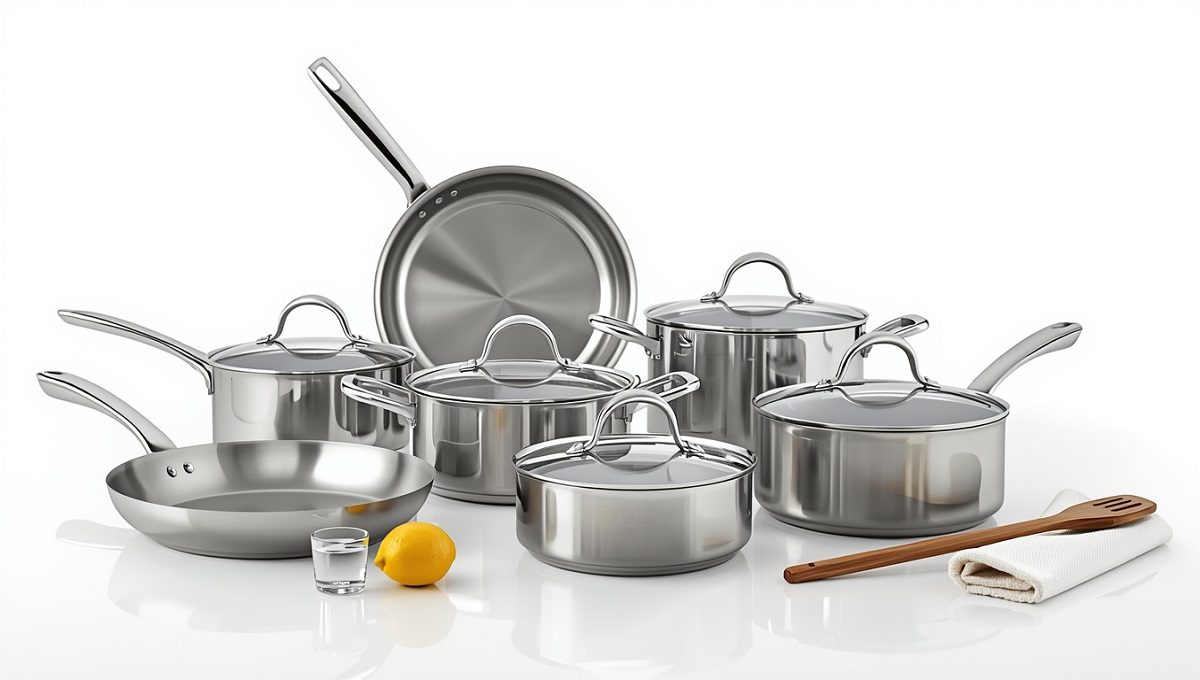
When it comes to cooking, the right cookware pots and pans can make all the difference. You want tools that heat evenly, last long, and feel comfortable in your hands.
But with so many options out there, how do you choose what’s best for your kitchen? This guide will help you understand the essentials, so you can cook your favorite meals with confidence and ease. Keep reading, and discover how the perfect pots and pans can transform your cooking experience.
Types Of Cookware
Cookware comes in many shapes and types. Choosing the right type helps cooking go smoothly. Pots and pans serve different purposes in the kitchen. Knowing their differences and materials helps you cook better meals.
Pots Vs Pans
Pots are deep and hold a lot of liquid. They work well for boiling, simmering, and making soups. Pans are shallow and have a flat bottom. They are perfect for frying, sautéing, and searing food. Both are essential but serve different cooking needs.
Common Materials
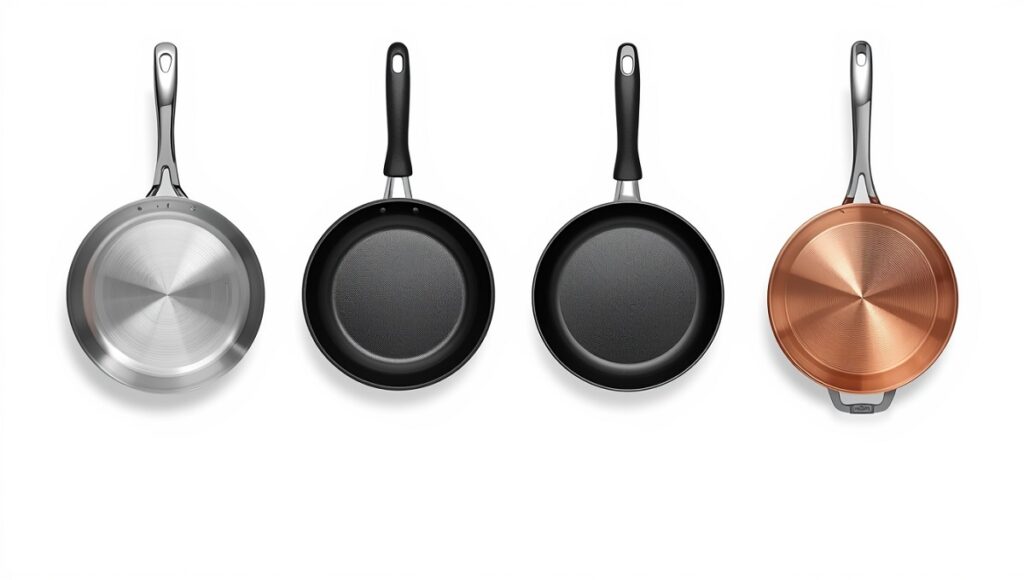
Cookware comes in many materials. Stainless steel is strong and easy to clean. Non-stick pans prevent food from sticking. Cast iron heats evenly and lasts a long time. Aluminum is lightweight and heats quickly. Each material has benefits for different cooking styles.
Material Pros And Cons
Choosing the right material for pots and pans affects cooking quality and ease. Each material has unique benefits and drawbacks. Understanding these helps pick the best cookware for your kitchen needs.
Stainless Steel
Stainless steel is strong and lasts a long time. It does not rust or stain easily. This material heats evenly but can have hot spots. It works well for searing and browning food. Cleaning is simple, and it can go in the dishwasher. On the downside, food can stick if the pan is too hot.
Cast Iron
Cast iron holds heat very well. It is perfect for slow cooking and frying. This cookware can last for decades with care. It needs seasoning to keep food from sticking. Cast iron is heavy and takes longer to heat. It can rust if not dried properly after washing.
Nonstick
Nonstick pans prevent food from sticking easily. They require less oil for cooking. These pans are lightweight and easy to clean. Nonstick coatings can wear off after some use. Avoid using metal utensils to protect the surface. They are not ideal for high heat cooking.
Copper
Copper heats up very quickly and evenly. It offers excellent temperature control for cooking. Copper pans look attractive in any kitchen. They require regular polishing to keep their shine. Copper reacts with acidic foods, so lining is needed. These pans tend to be expensive compared to others.
Essential Cookware Pieces
Every kitchen needs a few key pots and pans to cook well. These essential cookware pieces help you prepare a variety of meals. Choosing the right ones saves time and effort. They also make cooking more enjoyable and efficient.
Saucepans
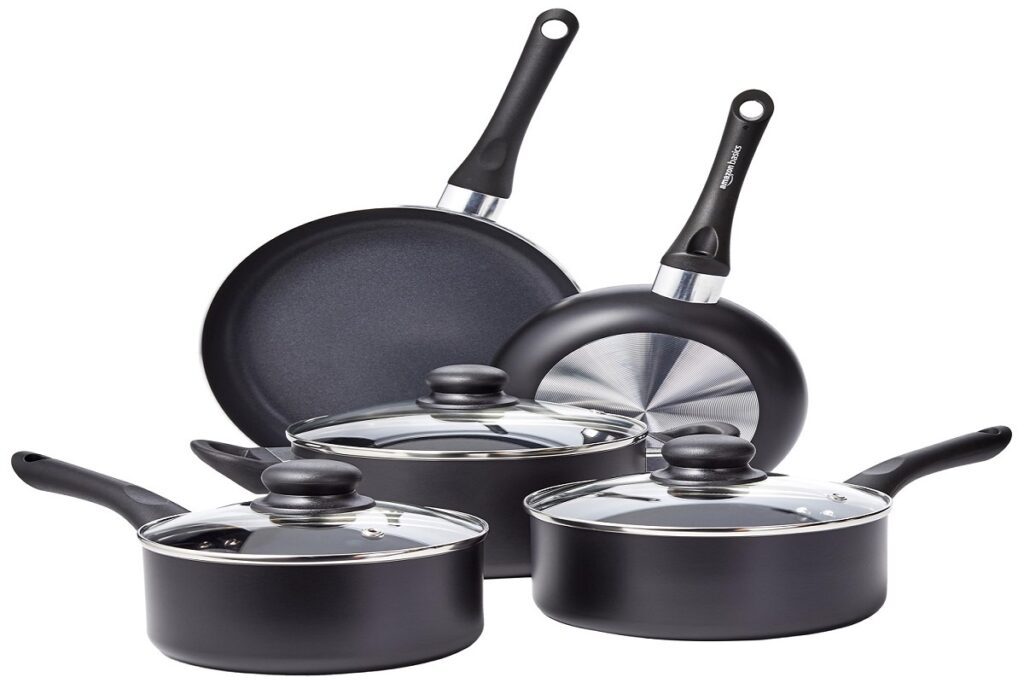
Saucepans are small pots with tall sides and a lid. They are perfect for boiling, simmering, and making sauces. Use them for heating soups or cooking rice. Their size makes them easy to handle and store.
Skillets
Skillets have flat bottoms and low sides. They work well for frying, searing, and sautéing. You can cook eggs, vegetables, or meat in them. Skillets heat evenly and give food a nice texture.
Stockpots
Stockpots are large pots with tall sides and a lid. They hold a lot of liquid and food. Use them to cook soups, stews, or pasta. They are essential for big meals and batch cooking.
Specialty Cookware Items
Specialty cookware items add unique value to your kitchen. They serve specific cooking needs and improve meal quality. These tools often bring new flavors and textures to dishes.
Choosing the right specialty cookware helps you cook more efficiently. Each piece has a distinct design and purpose. Let’s explore some popular types that every cook should know.
Woks
Woks are deep, round-bottomed pans from Asia. They heat food quickly and evenly. Their shape allows easy stirring and tossing of ingredients. Ideal for stir-frying, woks also work for steaming and frying. Carbon steel woks heat fast and develop a natural non-stick surface over time.
Dutch Ovens
Dutch ovens are heavy pots with tight lids. Made of cast iron, they keep heat steady. Great for slow cooking, braising, and baking. You can use them on stoves or in ovens. Their thick walls help food cook evenly and stay moist.
Griddles
Griddles are flat cooking surfaces, usually rectangular or square. They cook many items at once, like pancakes, eggs, and sandwiches. Griddles heat evenly and provide a large cooking area. Some fit on stovetops, others are electric. They create perfect sear marks and crispy edges.
Choosing Cookware Sets
Choosing the right cookware set can make cooking easier and more enjoyable. Pots and pans come in many styles and sizes. Picking the best set depends on your kitchen needs and cooking habits. Understanding what each set offers helps you find the perfect match.
A good cookware set saves space and covers most cooking tasks. It includes different pots and pans for various recipes. Knowing the details of each set size and included pieces helps you decide wisely.
Set Sizes
Cookware sets come in small, medium, and large sizes. Small sets suit one or two people. Medium sets fit families of three to four. Large sets are best for big families or frequent cooks. Size affects the number of pots and pans you get. Think about your kitchen space too. A large set might not fit in a small kitchen.
Included Pieces
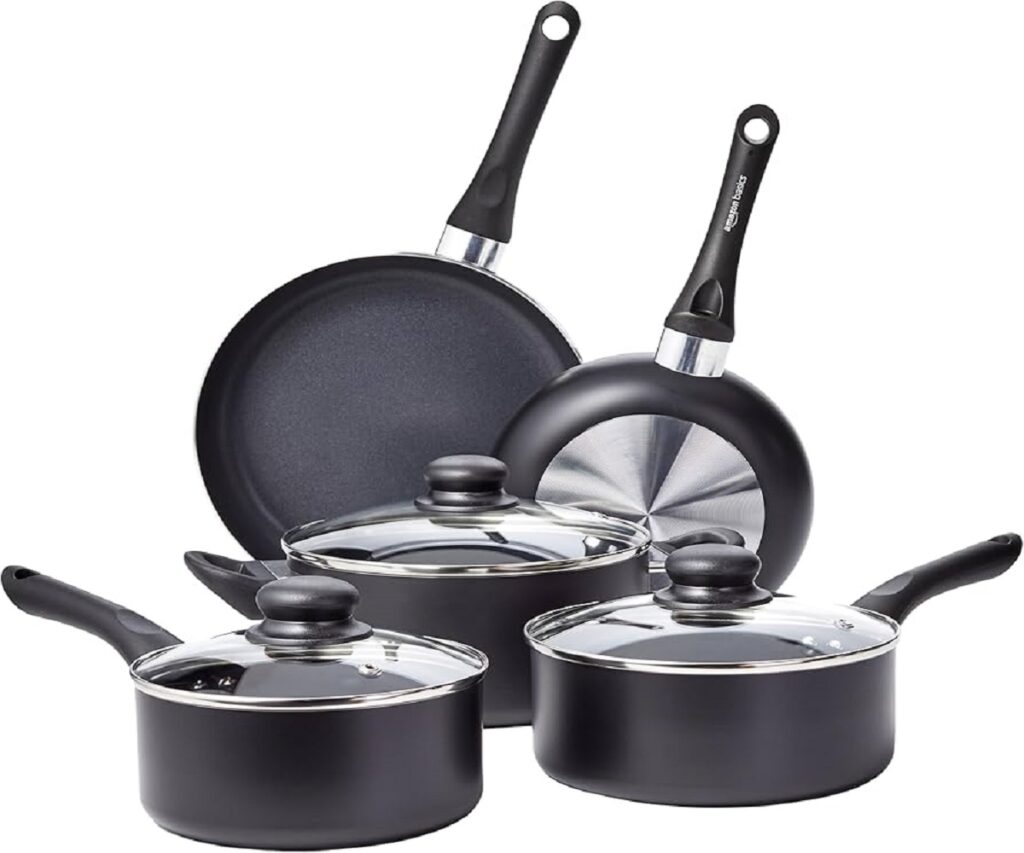
Most sets have essential pots and pans. Common pieces include saucepans, frying pans, and stockpots. Some sets add specialty items like sauté pans or lids. Check if the set has lids for all pots. Lids help cook food faster and keep heat inside. Some sets come with utensils or steamer inserts. Choose a set that fits your cooking style and recipes.
Cookware And Heat Sources
Choosing the right cookware depends on the heat source in your kitchen. Different pots and pans work best with different types of stoves. Knowing which cookware matches your heat source saves energy and improves cooking results.
Gas Stoves
Gas stoves heat quickly and offer visible flames. Most cookware works well on gas. Look for pots and pans with a thick, flat bottom. They spread heat evenly and prevent hot spots. Cast iron and stainless steel are great choices for gas stoves.
Induction
Induction cooktops use magnetic fields to heat cookware. Only pots and pans with magnetic bases work here. Steel and cast iron are good options. Aluminum and copper need a magnetic layer added to work. Induction heats fast and saves energy.
Electric
Electric stoves use coil or smooth top burners. Cookware needs a flat, smooth bottom for best contact. Stainless steel and heavy-duty aluminum pans work well. Avoid warped or thin-bottomed cookware. Electric heat takes longer to adjust than gas or induction.
Cookware Maintenance Tips
Proper care extends the life of your cookware pots and pans. Good maintenance keeps them safe and effective for cooking. Follow simple tips to maintain your kitchen tools.
Cleaning Methods
Clean cookware soon after use. Use warm water and mild soap. Avoid harsh chemicals that damage surfaces. For stuck food, soak the pan before scrubbing. Use soft sponges to protect coatings. Dry pots and pans completely to stop rust.
Storage Ideas
Store cookware in a dry place. Avoid stacking heavy pots on delicate pans. Use pan protectors or cloth between items to prevent scratches. Hang pans by their handles if space allows. Keep lids separately or on top to save space.
Durability And Longevity
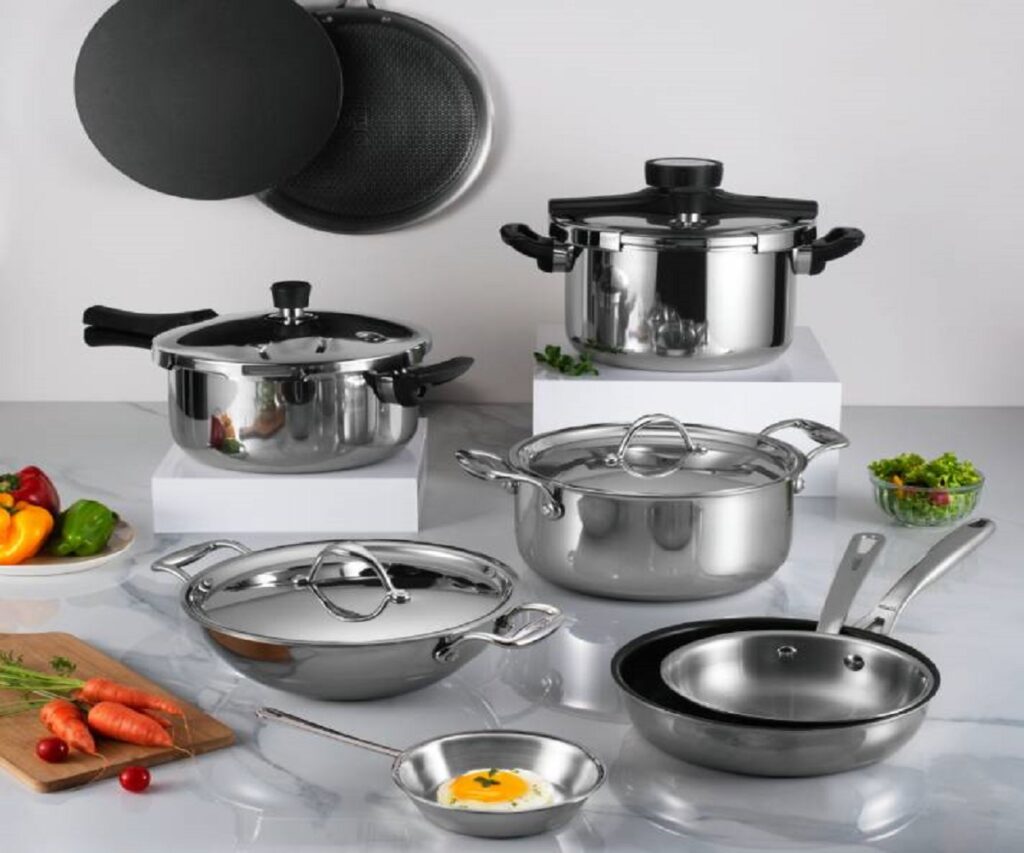
Durability and longevity are key features to consider when choosing cookware pots and pans. These qualities ensure your kitchen tools last through many meals and maintain their performance. High-quality materials and solid construction make a big difference. Pots and pans that resist damage save money in the long run. They also provide better cooking results over time. Understanding durability helps buyers make smart choices for their kitchen needs.
Wear And Tear
Cookware faces constant heat, moisture, and cleaning. These conditions cause wear and tear. Scratches, discoloration, and warping can happen with low-quality pans. Durable cookware uses strong metals like stainless steel or cast iron. Non-stick coatings should resist peeling and scratches. Proper care also extends lifespan. Avoid metal utensils and harsh cleaners. Durable pans keep their shape and finish longer.
Warranty Insights
Warranties reflect a brand’s confidence in durability. Longer warranties often mean better quality. Some brands offer lifetime coverage for defects. Check what the warranty covers and its length. Understand terms about damage and normal wear. A solid warranty gives peace of mind. It shows the cookware is built to last.
Budgeting For Cookware
Setting a budget for cookware is important. Pots and pans come in many types and prices. Knowing how to spend wisely helps you get good quality without overspending. Plan your budget based on your cooking needs and style.
Affordable Options
Affordable cookware sets offer good value. Look for materials like aluminum or stainless steel. These are durable and heat evenly. Many brands sell beginner-friendly sets under a reasonable price. These sets work well for everyday cooking. They provide enough variety without breaking the bank.
Investment Pieces
Some cookware pieces are worth spending more on. High-quality pots and pans last longer and cook better. Cast iron and copper pans are popular investment choices. They improve with use and add great flavor to food. Choose one or two pieces to upgrade your kitchen. This boosts your cooking experience over time.
Safety Features To Consider
Choosing the right cookware pots and pans involves more than looks and size. Safety is a top priority. Knowing the key safety features helps protect your health and kitchen. This section covers essential safety points to watch for in your cookware.
Heat Resistance
Cookware must handle high temperatures without damage. Poor heat resistance can cause warping or melting. Look for pots and pans that stay strong under heat. Handles should also resist heat to prevent burns. Heat-resistant cookware lasts longer and keeps cooking safe.
Non-toxic Materials
Materials matter for safe cooking. Avoid cookware with harmful chemicals like lead or PFOA. Choose pots and pans made from stainless steel, cast iron, or ceramic. These materials do not release toxins into food. Non-toxic cookware protects your health and keeps meals safe to eat.
Aesthetic And Design Choices
Cookware pots and pans are more than tools for cooking. Their look and feel add to kitchen style. Choosing the right design makes cooking more enjoyable. The shapes, colors, and materials all play a role. Aesthetics and design choices affect both function and beauty.
Good design blends comfort and style. It can make your kitchen feel fresh and modern. The right cookware stands out but also fits well with other items. Let’s explore key design features that matter most.
Colors And Finishes
Colors can brighten a kitchen or keep it calm. Popular shades include classic silver, matte black, and bright reds. Some cookware has shiny finishes that catch the eye. Others use matte or brushed textures for a soft look.
Finish affects more than looks. It also changes how easy the pot or pan is to clean. Non-stick surfaces often come in darker shades. Stainless steel usually has a polished or satin finish. Choose colors and finishes that match your kitchen style.
Ergonomic Handles
Handles must feel good in your hands. Ergonomic designs reduce strain during cooking. Some handles have soft grips or curves that fit fingers well. Others use heat-resistant materials for safety.
Good handles stay cool and offer firm control. They should be easy to hold, even with wet hands. Well-designed handles make moving pots and pans simple and safe.
Top Brands And Reviews
Choosing the right cookware pots and pans can make cooking easier and more enjoyable. Quality brands offer durability, even heat, and good design. Reviews help to understand how these products perform in real kitchens. They show what users like and dislike. Here is a look at some top brands and what people say about them.
Popular Manufacturers
All-Clad is famous for stainless steel cookware. Their pots and pans last long and heat evenly. Calphalon offers nonstick pans that are easy to clean. They suit everyday cooking well. T-fal is known for affordable nonstick sets. These are good for those on a budget.
Le Creuset makes colorful cast iron pots. They keep heat well and look nice on the stove. Lodge also offers cast iron, but at a lower price. Their pans are strong and improve with use. Anolon produces hard-anodized pans that resist scratches. They often come with comfortable handles.
User Feedback
Many users praise All-Clad for its quality and heat control. Some say the price is high but worth it. Calphalon’s nonstick pans get positive reviews for easy food release. A few users mention the coating can wear over time. T-fal fans like the durability and budget-friendly price. Some warn that nonstick can chip if not handled well.
Le Creuset receives high marks for heat retention and style. Users enjoy cooking with these heavy pots. Lodge is loved for its affordability and classic cast iron feel. Some say it needs seasoning before first use. Anolon gets compliments for durability and nonstick surface. Some buyers want better lids with their pans.
Frequently Asked Questions
What Materials Are Best For Cookware Pots And Pans?
Stainless steel, cast iron, and non-stick coatings are popular for durability and heat distribution.
How To Choose The Right Size Of Pots And Pans?
Pick sizes based on your cooking needs and family size for efficient meal preparation.
Are Non-stick Pans Safe For Everyday Cooking?
Yes, non-stick pans are safe if used with care and without overheating.
How To Clean And Maintain Cookware Pots And Pans?
Use gentle scrubbers and mild detergent; avoid metal tools on non-stick surfaces.
Can Cookware Affect The Taste Of Food?
Yes, some materials like cast iron can add unique flavors over time.
What Is The Difference Between Stainless Steel And Cast Iron Pans?
Stainless steel heats quickly and resists rust; cast iron retains heat longer.
How Often Should You Replace Your Cookware Pots And Pans?
Replace when coatings peel or pans warp to ensure safe and effective cooking.
Conclusion
Choosing the right cookware pots and pans makes cooking easier and more fun. Good pots and pans help food cook evenly and taste better. Think about your cooking style and needs before buying. Materials like stainless steel, cast iron, or non-stick each have benefits.
Taking care of your cookware helps it last longer. Small details can make a big difference in the kitchen. Enjoy cooking with the pots and pans that fit you best. Simple tools can bring great meals to your table.