If you love cooking, you know that the right tools make all the difference. A butcher block cutting board isn’t just any board—it’s a game changer in your kitchen.
Imagine having a sturdy, durable surface that protects your knives and stays beautiful for years. You want a cutting board that feels solid, looks great, and makes chopping easier and safer. Keep reading, because we’ll show you why a butcher block cutting board could be the best upgrade for your cooking space—and how to choose the perfect one for your needs.
Types Of Butcher Block Boards
Butcher block cutting boards come in different types. Each type offers unique benefits and styles. Knowing the differences helps you pick the right board for your kitchen needs.
This section explains the main types of butcher block boards. It covers their construction and wood options.
Edge Grain Vs End Grain
Edge grain boards show long wood strips glued side by side. This makes a smooth, flat surface. They are easier to clean and usually cost less.
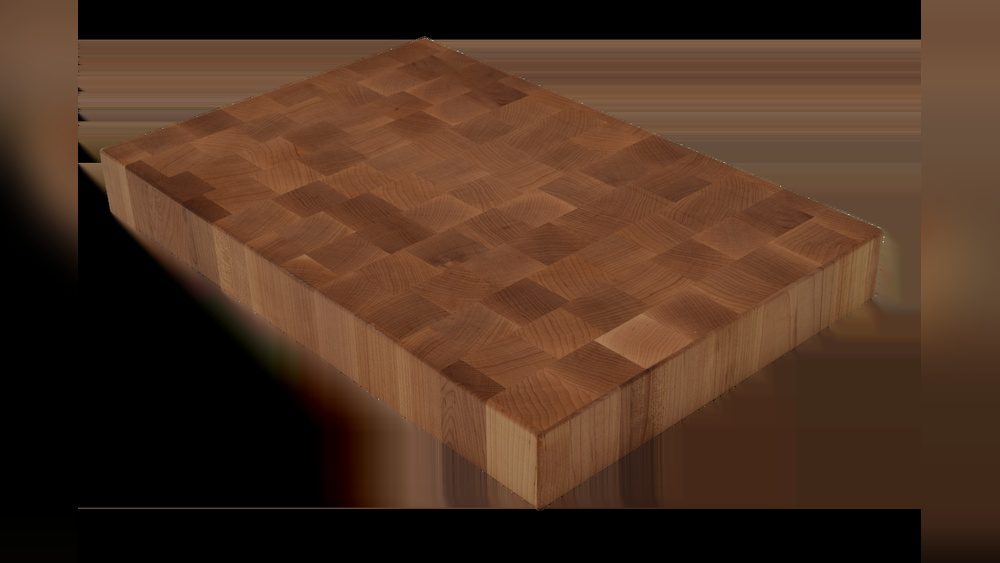
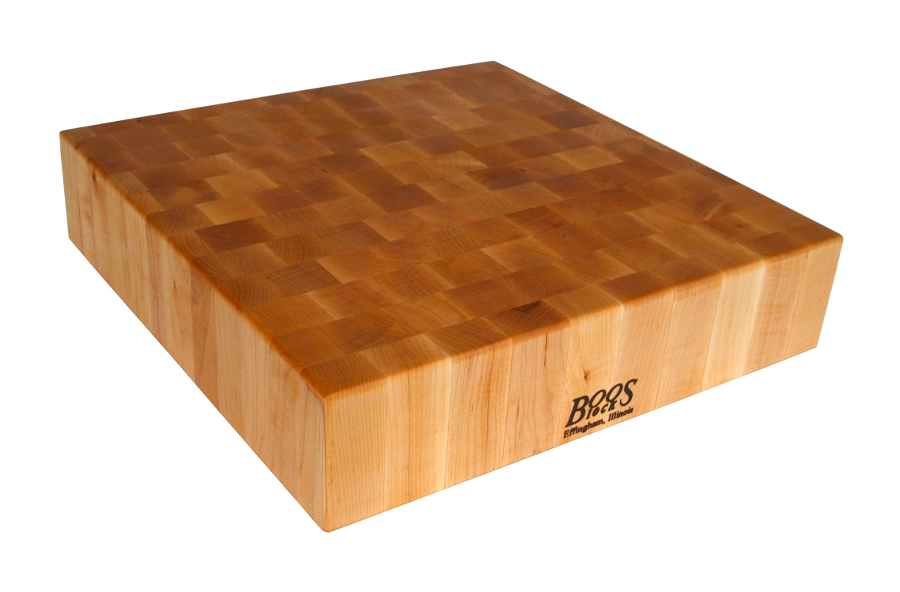
End grain boards display the wood fibers facing up. The surface looks like small squares. These boards are softer on knives and last longer.
End grain boards absorb cuts better. Edge grain boards are often lighter and thinner.
Wood Species Choices
Different woods give butcher blocks unique looks and strengths. Hardwoods like maple, walnut, and cherry are popular choices.
Maple is light and very durable. Walnut offers a dark, rich color. Cherry wood darkens over time and has a warm tone.
Some boards use mixed woods for a striped pattern. The wood type affects the board’s weight and care needs.

Benefits Of Butcher Block Boards
Butcher block cutting boards offer many advantages for your kitchen tasks. They provide a strong surface that can handle heavy chopping and slicing. These boards are made from thick wood pieces glued together. This construction makes them tough and reliable for daily use.
Besides strength, butcher block boards add beauty to your kitchen space. Their natural wood grain and warm tones bring a cozy and stylish feel. They fit well with many kitchen styles, from modern to rustic.
Durability And Longevity
Butcher block boards last a long time with proper care. The thick wood resists deep cuts and scratches. This means your board stays smooth and safe for food preparation.
These boards can be sanded and oiled to keep them like new. They do not crack or warp easily. This makes them a smart investment for your kitchen.
Aesthetic Appeal In Kitchens
Wood butcher blocks add a natural, warm look. The wood patterns are unique and change over time. This adds character and charm to your kitchen.
They work well as both cutting surfaces and serving boards. Their beauty can enhance the whole kitchen design. It creates a welcoming and pleasant cooking space.
Choosing The Right Size
Choosing the right size for a butcher block cutting board is important for your kitchen. The size affects how easy it is to use and store. It also changes how much space you have for food prep. Picking the right size helps you work comfortably and keep your kitchen neat.
Counter Space Considerations
Measure your kitchen counter before buying a cutting board. The board should fit without crowding your workspace. A board too big takes up too much room. A small board might not hold enough food at once. Find a size that matches your counter space well.
Usage Needs
Think about what you cut most often. Large boards suit big tasks like chopping vegetables or carving meat. Small boards work for quick jobs like slicing fruit. If you cook a lot, a bigger board saves time. For simple tasks, a smaller one is easier to clean and store.
Maintenance Tips
Keeping your butcher block cutting board in good shape takes simple care. Proper maintenance helps it last longer and stay safe for food. Regular cleaning and oiling keep the wood strong and prevent cracks. Follow these easy steps to care for your board.
Cleaning Methods
Clean your butcher block right after use. Use warm water and mild soap. Avoid soaking the board or putting it in the dishwasher. Wipe it with a soft cloth or sponge. Rinse quickly and dry with a towel. Let it air dry standing up to stop moisture buildup. For deep cleaning, sprinkle coarse salt and rub with a lemon half. This removes stains and odors naturally.
Oiling And Conditioning
Oil your cutting board regularly to keep wood from drying out. Use food-safe mineral oil or butcher block oil. Apply a thin layer with a clean cloth. Let the oil soak in for a few hours or overnight. Wipe off any extra oil with a dry cloth. Condition the board once a month or when wood looks dry. This seals the surface and protects from water damage and cracks.
Preventing Damage
Butcher block cutting boards are sturdy and durable. Still, they need proper care to last long. Preventing damage helps keep their beauty and function. Simple steps protect your board from cracks, warping, and knife marks. These tips make your board safe and useful for many years.
Avoiding Cracks And Warping
Keep your board dry and clean after use. Do not soak it in water or leave it wet. Water can cause the wood to swell and crack. Avoid placing your board near heat sources like stoves or dishwashers. Heat dries the wood and leads to warping. Use mineral oil regularly to seal the wood surface. This oil keeps the board hydrated and strong. Store the board flat in a cool, dry place. Proper storage stops bending and splitting.
Knife Care
Use sharp knives to reduce pressure on the board. Dull knives require more force and cause deep cuts. Cut gently and avoid chopping hard objects on the board. Deep cuts can weaken the wood and make bacteria grow. Clean knives before use to prevent stains and scratches. Regularly sharpen your knives for smooth cutting. This care protects both the knife and the board.
Repairing Scratches And Cuts
Butcher block cutting boards often show scratches and cuts from regular use. Repairing these marks keeps the board smooth and safe for food prep. It also helps the wood last longer and look better. Simple steps can fix most damage without replacing the entire board.
Start by sanding the surface to remove deep scratches and even out the wood. Then, apply refinishing techniques to restore the board’s natural shine and protect it from future damage. These processes are easy to do at home with basic tools.
Sanding Techniques
Use medium-grit sandpaper to smooth out rough scratches first. Sand along the grain of the wood, not against it. This avoids more damage and keeps the surface even. For deeper cuts, use a coarser grit, then switch to finer sandpaper for a smooth finish.
Sand until the scratches fade and the surface feels flat. Wipe away dust with a damp cloth before moving to refinishing. Proper sanding prepares the board for an even, clean finish.
Refinishing Steps
Start by applying food-safe mineral oil or butcher block oil. Use a clean cloth to spread oil evenly over the surface. Let the oil soak in for several hours or overnight. This nourishes the wood and prevents drying.
After the first coat dries, apply a second layer for better protection. Buff the board with a dry cloth to remove excess oil. Regular oiling keeps the board strong and resistant to future cuts and stains.
Styling Your Kitchen With Butcher Blocks
Butcher block cutting boards bring warmth and style to any kitchen. Their natural wood texture adds a cozy feel. They also serve as practical tools for daily cooking. Styling your kitchen with butcher blocks makes the space inviting and functional.
Matching Wood Tones
Choose butcher blocks that match other wooden elements in your kitchen. This creates a balanced and unified look. Light woods blend well with white cabinets. Dark woods pair nicely with stainless steel appliances. Mixing similar wood tones keeps the space calm and coordinated.
Incorporating Into Decor
Use butcher blocks as part of your kitchen decor, not just for cutting. Place one on the countertop as a centerpiece. Stack different sizes to add layers and interest. Combine with plants or ceramic jars for a natural touch. This style adds charm and keeps your kitchen lively.
Comparing Butcher Blocks To Other Boards
Choosing the right cutting board is important for cooking and kitchen safety. Butcher block cutting boards offer unique benefits. They differ from other boards in material, durability, and care. Understanding these differences helps select the best board for your kitchen needs.
Plastic Vs Wood
Plastic boards are lightweight and easy to clean. They do not absorb liquids, so they resist stains and odors. Plastic is dishwasher safe, making it convenient. But plastic can dull knives faster than wood.
Wood boards, like butcher blocks, are gentle on knives. They naturally resist bacteria due to wood’s porous surface. Wood requires hand washing and regular oiling to stay in good shape. Butcher blocks last longer and can be sanded to remove cuts.
Bamboo Alternatives
Bamboo boards are eco-friendly and harder than many woods. They resist scratches and moisture well. Bamboo is lightweight and does not warp easily. However, bamboo can be tougher on knives than softer wood.
Butcher blocks offer a classic look and strong durability. They absorb impacts better, protecting your knife edges. Bamboo boards are a good choice for those wanting a sustainable option with low maintenance.
Environmental Impact
The environmental impact of butcher block cutting boards is important to consider. These boards are made from natural wood, which affects forests and ecosystems. The way wood is sourced and how the boards are disposed of also matters. Understanding these factors helps make better choices for the planet.
Sustainability Of Wood Sources
Wood for butcher blocks comes from trees. Some woods are harvested responsibly. This means trees are replanted after cutting. Sustainable sources reduce damage to forests. Look for boards made from certified wood. Certification ensures the wood comes from well-managed forests. This helps keep forests healthy and alive.
Recycling And Disposal
Wood cutting boards can be recycled or reused. They break down naturally without harming soil. When a board is old or damaged, it can become mulch or compost. Avoid throwing wood boards into landfills. Burning wood releases less harmful chemicals than plastic. Proper disposal lowers waste and pollution. Reusing or recycling boards helps protect the environment.
Buying Tips
Choosing the right butcher block cutting board can make cooking easier and safer. Knowing what to check helps you pick a board that lasts long and feels good to use. Here are some important tips to keep in mind before buying.
Quality Indicators
Look for boards made from hardwood like maple or walnut. These woods resist cuts and stains well. Check for a smooth surface without cracks or gaps. The board should feel heavy and solid. A well-made board will have tight, joined pieces. Avoid boards with loose parts or rough edges. Good quality means the board stays flat and won’t warp easily.
Budget Considerations
Set a budget that fits your needs. Cheap boards may wear out fast or get damaged. Mid-range options often offer good balance of price and quality. Think about how often you will use it. Spending more can be worth it for daily use. Remember, a quality board can save money over time. Choose a board that fits both your budget and cooking style.
Customizing Your Board
Customizing your butcher block cutting board makes it truly yours. Personal touches turn a simple kitchen tool into a special item. Custom options let you match your style and needs. Choose details that fit your cooking habits and kitchen decor.
Engraving Options
Engraving adds a personal touch to your board. Names, dates, or favorite quotes make it unique. You can choose different fonts and sizes. Simple designs or intricate patterns are possible. Engraving also helps identify your board. It makes a great gift with a personal message.
Built-in Features
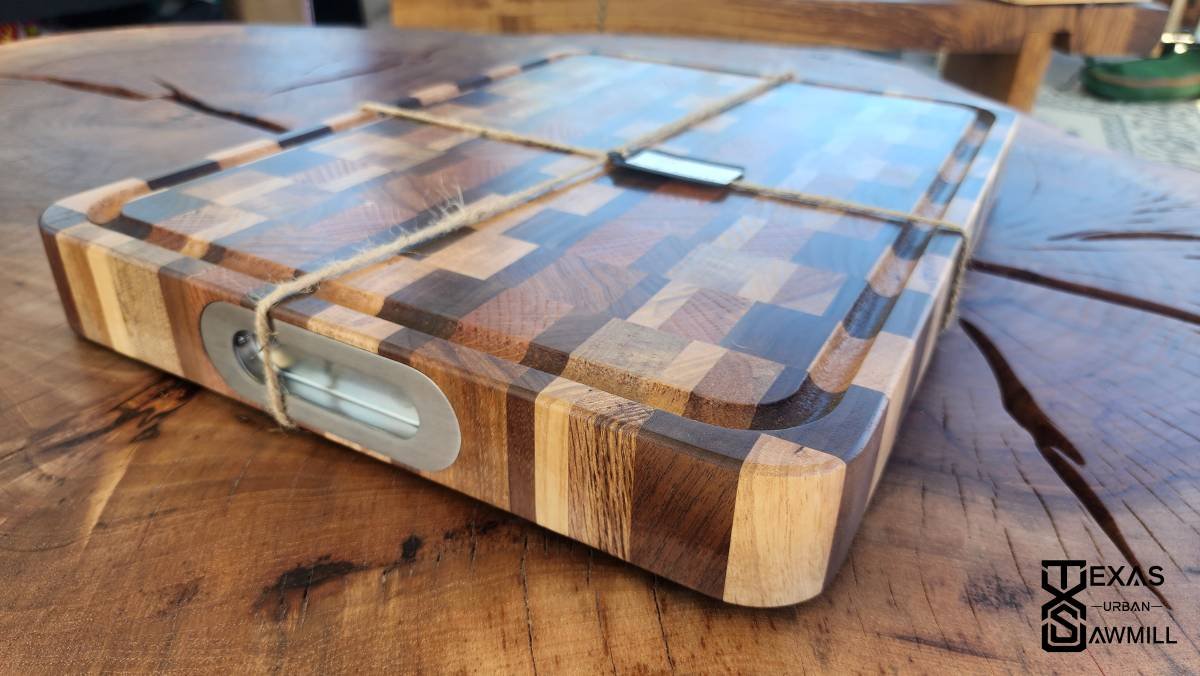
Built-in features improve your board’s function. Juice grooves catch liquids to keep counters clean. Hand grips make moving the board easy. Some boards have built-in knife slots for storage. Small compartments hold herbs or spices while cooking. Choose features that suit your kitchen routine.
Storing And Displaying
Proper storage and display keep your butcher block cutting board in top shape. Good care helps prevent damage and extends its life. Displaying it well also adds charm to your kitchen.
Safe Storage Practices
Store your board in a dry place away from direct sunlight. Avoid stacking heavy items on top to prevent warping. Keep it upright or flat on a clean surface. Use a wooden or silicone rack for good air flow. Wipe the board dry after each use to avoid moisture buildup. Regular oiling helps maintain its smooth surface and prevents cracking.
Using As Serving Trays
Butcher block boards make great serving trays for cheese and snacks. Their natural wood look adds warmth to your table. Use them for casual gatherings or special occasions. Clean the board thoroughly before serving food. Avoid cutting on the board while it holds food. After use, wash and dry it well to keep the wood healthy.
Frequently Asked Questions
What Is A Butcher Block Cutting Board Made Of?
Butcher block boards are made from hardwood strips glued together, like maple or oak.
How Do You Clean A Butcher Block Cutting Board?
Clean with warm water and mild soap; dry it well to avoid warping.
Can Butcher Block Boards Be Used For All Foods?
Yes, but best to use separate boards for raw meat and vegetables.
How Often Should You Oil A Butcher Block Cutting Board?
Oil it once a month to keep wood from drying and cracking.
Are Butcher Block Cutting Boards Durable For Kitchen Use?
Yes, they last long if properly cared for and resist knife marks well.
Conclusion
A butcher block cutting board adds strength to any kitchen. It lasts long and handles heavy use well. Easy to clean and maintain, it stays safe for food. Its natural wood surface protects knives from dulling fast. Perfect for chopping, slicing, and dicing every day.
A smart choice for anyone who loves to cook. Simple care keeps it looking good for years. A solid tool that makes meal prep easier and more enjoyable.