

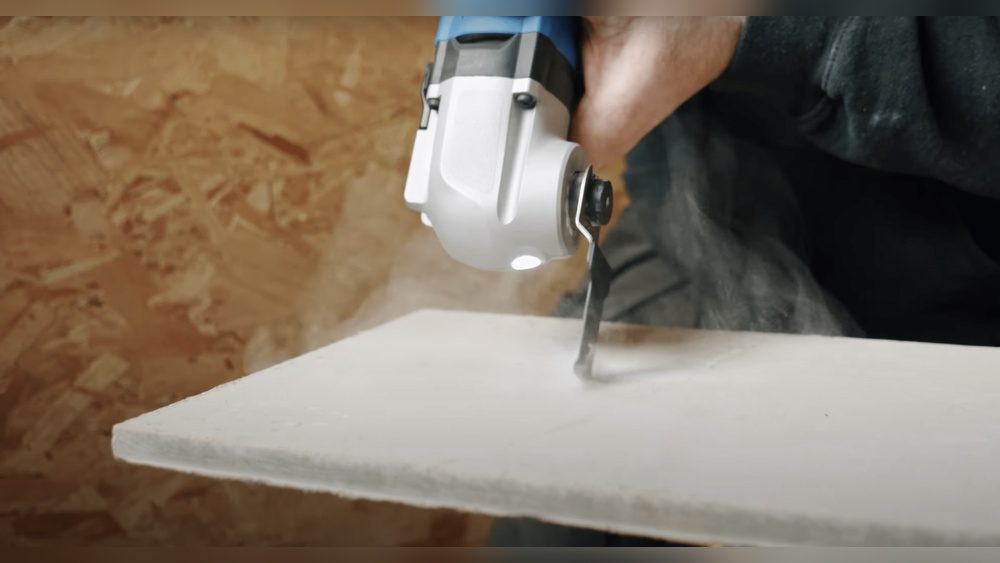
Are you ready to tackle your next home improvement project but unsure how to cut cement board without making a mess? Cutting cement board might sound tricky, but with the right tools and simple steps, you can do it cleanly and safely.
Imagine saving time and avoiding costly mistakes by mastering this skill yourself. In this guide, you’ll discover easy techniques that anyone can follow, whether you’re a beginner or just need a refresher. Keep reading to learn how to cut cement board quickly, accurately, and with confidence.
Your project deserves the best start, and it all begins here.
Choosing The Right Cement Board
Picking the right cement board is key for a successful project. Cement boards come in various types and sizes. Each type fits different uses and environments.
Choosing the proper board helps avoid problems like cracking or water damage. It also makes cutting and installation easier.
Types Of Cement Board
Cement boards mainly include fiber cement and cement backer boards. Fiber cement boards have cellulose fibers for strength. They are lighter and easier to cut.
Cement backer boards are denser and often used in wet areas. They resist moisture well and support tile installations.
Thickness Options
Common thicknesses range from 1/4 inch to 1/2 inch. Thicker boards provide more durability and stability. Thinner boards are easier to handle and cut.
Choose thickness based on the project needs and surface type. For walls, 1/4 inch often works. Floors may need 1/2 inch boards.
Moisture Resistance
Some cement boards have added water resistance. These are best for bathrooms, kitchens, or outdoor projects. They prevent mold and rot better than standard boards.
Check product labels for moisture-resistant features. This choice protects your work and extends the lifespan of your installation.
Essential Tools For Cutting
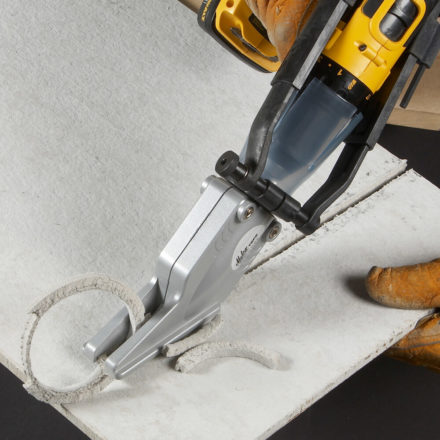
Cutting cement board needs the right tools. Using the correct tools makes the job easier and safer. It helps you get clean, accurate cuts without damaging the board.
Here are the essential tools you need for cutting cement board.
Measuring Tape And Pencil
Start with a measuring tape to mark where you want to cut. A pencil helps draw clear, straight lines. Accurate marks guide your cuts and reduce mistakes.
Utility Knife
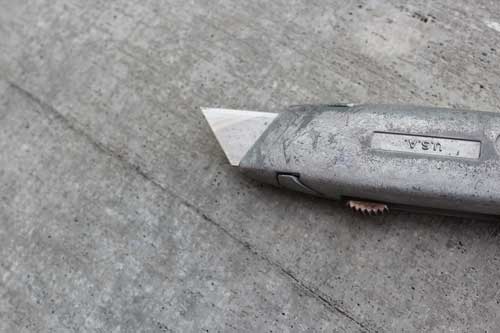
A sharp utility knife scores the cement board surface. Score deeply along the marked line. Then snap the board gently to break it. This tool works well for thin boards.
Carbide-tipped Scoring Knife
This knife is stronger and lasts longer than a regular utility knife. It makes clean, precise scores on the board. It is perfect for tougher cement boards.
Jigsaw With A Carbide Grit Blade
A jigsaw cuts curved or detailed shapes in cement board. Use a carbide grit blade to cut smoothly and avoid chipping. This tool helps with complex cuts.
Angle Grinder With Diamond Blade
An angle grinder with a diamond blade cuts through thick cement board easily. It makes fast, straight cuts but needs careful handling. Always wear safety gear.
Safety Gear
Wear safety glasses and a dust mask. Cutting cement board creates dust that can harm your eyes and lungs. Gloves protect your hands from sharp edges.
Safety Tips To Follow
Cutting cement board requires care and attention to safety. The dust and tools can be harmful. Following safety tips helps protect your eyes, lungs, and skin. Taking the right steps keeps your work area safe too.
Wear Protective Gear
Always wear safety goggles to protect your eyes from dust and debris. Use a dust mask or respirator to avoid breathing in harmful particles. Gloves protect your hands from sharp edges and rough surfaces.
Use The Right Tools
Choose tools made for cutting cement board. Use a carbide-tipped scoring knife or a circular saw with a diamond blade. Sharp tools cut cleaner and reduce dust. Keep tools in good condition for safer use.
Work In A Well-ventilated Area
Cut cement board outdoors or in a space with good airflow. Ventilation helps reduce dust buildup. Avoid cutting in small, closed rooms without airflow. Use fans to move dust away from your breathing zone.
Handle Cement Board Carefully
Lift cement board with care to prevent cracks and injuries. Support the board fully to avoid breakage. Place the board on a stable surface before cutting. Keep your fingers away from cutting lines.
Clean Up Properly
Use a vacuum with a HEPA filter to clean dust. Avoid sweeping, as it spreads dust into the air. Dispose of cement board scraps safely. Wash your hands and face after work to remove dust.
Preparing The Workspace
Preparing the workspace is the first important step before cutting cement board. A clean and organized area helps you work safely and efficiently. It reduces mistakes and makes the cutting process smoother.
Setting up properly also protects your health and your tools. Dust from cement boards can irritate your lungs and eyes. A good workspace will help manage this dust and keep everything under control.
Choose A Well-ventilated Area
Pick a place with fresh air to avoid breathing dust. Open windows or use a fan to move air outside. This keeps the space safe and comfortable during cutting.
Clear The Surface
Remove all clutter from your workbench or table. A flat, stable surface helps keep the cement board steady. This reduces the risk of slips and uneven cuts.
Gather All Necessary Tools
Collect your cutting tools before you start. Have a utility knife, straight edge, measuring tape, and safety gear ready. This saves time and keeps you focused.
Wear Proper Safety Gear
Put on safety glasses, gloves, and a dust mask. These protect your eyes, hands, and lungs from dust and sharp edges. Safety is key when cutting cement board.
Measuring And Marking
Measuring and marking are the first steps in cutting cement board accurately. Precise measurements help avoid mistakes and waste. Marking the board clearly guides the cut. Take time to measure carefully and mark boldly.
Use a tape measure for accuracy. Measure twice to confirm the length or width. Mark the points with a pencil or chalk. Draw a straight line connecting the marks. This line will be your cutting guide.
Choose The Right Measuring Tool
Select a tape measure with clear numbers. A rigid ruler can also work for small cuts. Avoid tools that bend easily. Accuracy depends on steady and straight measuring tools.
Mark With Clear, Visible Lines
Use a pencil with a sharp tip for fine lines. Chalk works well on dusty boards. Draw lines that stand out against the board’s surface. Clear lines prevent cutting mistakes.
Double-check Your Measurements
Measure twice before marking. Check both length and width. Recheck marks to be sure they match the project plan. This step saves time and material.
Scoring The Cement Board
Scoring the cement board is a common way to make straight cuts. This method is quick and does not need many tools. It helps create clean edges without breaking the board.
Scoring means making a shallow cut on the surface. Then, you snap the board along the score line. This technique works well for thin cement boards.
Tools Needed For Scoring
Use a utility knife with a sharp blade. A straightedge or ruler helps guide the cut. A pencil is useful to mark the line first. Safety gloves protect your hands during cutting.
Step-by-step Scoring Process
Mark the cutting line clearly on the board. Place the straightedge along the line. Press the utility knife firmly and score the surface several times. Score deep enough to weaken the board. Snap the board down carefully along the scored line.
Tips For Clean Cuts
Score slowly to avoid slipping. Keep the blade sharp for smooth cuts. Support the board firmly while snapping it. Cut on a flat surface to maintain control. Remove any rough edges with sandpaper or a rasp.
Snapping The Board Cleanly
Snapping cement board cleanly is a simple, effective way to cut it. This method saves time and reduces dust compared to using a saw. You get straight, smooth edges ready for installation.
Proper snapping requires the right tools and careful steps. Follow these tips to snap your cement board with ease and accuracy.
Mark The Cutting Line Clearly
Use a pencil or chalk to draw a straight line on the cement board. Make sure the line is visible and accurate. A ruler or straight edge helps keep the line straight.
Score The Board Deeply
Use a utility knife to score along the marked line. Press hard to cut through the board’s surface. Score several times for a deep groove, but do not cut all the way through.
Position The Board For Snapping
Place the board on a flat surface with the scored line aligned at the edge. Support the board on each side of the line. This setup helps the board snap cleanly without cracking unevenly.
Snap The Board Firmly
Hold the board firmly on one side. Apply quick, even pressure on the other side. The board will break along the scored line with a clean snap.
Smooth The Edges
Use sandpaper or a rasp to smooth any rough edges. This step prevents injury and helps the board fit better during installation.

Using A Cutting Saw
Using a cutting saw is a quick way to cut cement board. It gives clean, straight edges. You can use a circular saw or a jigsaw with the right blade. Always follow safety steps to protect yourself from dust and debris.
Choosing The Right Saw And Blade
Pick a saw that feels comfortable in your hands. A circular saw is best for long, straight cuts. Use a carbide-tipped blade made for cement board. This blade lasts longer and cuts smoothly.
Preparing The Cement Board For Cutting
Place the cement board on a flat surface. Support the board well to stop it from moving. Mark your cut line clearly with a pencil or chalk. Double-check the measurements before cutting.
Cutting Technique And Safety Tips
Wear a dust mask and safety glasses before starting. Turn on the saw and let it reach full speed. Cut slowly along the marked line. Keep the saw steady and avoid forcing it. Take breaks if the blade feels hot.
Smoothing Edges After Cutting
Smoothing the edges after cutting cement board is important. Rough edges can cause problems during installation. They might also lead to cuts or scrapes while handling the board. Taking time to smooth the edges helps the board fit better. It also makes the surface safer and cleaner for tiling or finishing.
Use the right tools and techniques to get smooth edges. This step is simple but makes a big difference in your project’s final look.
Sanding The Edges
Use medium-grit sandpaper to smooth the cut edges. Sand gently in a back-and-forth motion. Avoid pressing too hard to prevent damage. Sanding removes small chips and rough spots. It also creates a clean surface for adhesive or tape.
Using A Rasp Or File
A rasp or metal file works well for tougher edges. These tools shave down the rough parts quickly. Move the tool along the edge with steady pressure. Check your progress often to avoid over-smoothing. This method shapes the edges evenly for a neat finish.
Cleaning Dust And Debris
After smoothing, clean the edges with a brush or cloth. Dust can stop adhesives from sticking properly. Removing debris ensures a strong bond with tiles or sealants. A clean workspace helps keep your project tidy and safe.
Handling Curved Cuts
Handling curved cuts on cement board can be tricky. Straight cuts are easy with a score and snap method. Curved cuts need a different approach. Careful planning and the right tools make the job easier.
Choosing The Right Tools
Use a jigsaw with a carbide-grit blade for smooth curves. A rotary tool with a cutting bit also works well. Avoid using a handsaw; it can cause rough edges and cracks.
Marking The Curve
Draw the curve clearly on the cement board. Use a pencil or chalk for visible lines. Take your time to make an accurate shape. This step guides your cutting and prevents mistakes.
Cutting Technique
Start cutting slowly along the marked line. Keep the blade steady and follow the curve carefully. Let the tool do the work; do not force it. Move in small sections for better control.
Smoothing The Edges
After cutting, edges may feel rough or sharp. Use sandpaper or a rasp to smooth the edges gently. This step helps avoid injury and improves the final look.
Common Mistakes To Avoid
Cutting cement board can be tricky for beginners. Mistakes can waste materials and cause frustration. Knowing what to avoid helps save time and effort. Here are common mistakes many make while cutting cement board.
Not Wearing Proper Safety Gear
Cement board dust is harmful to breathe. Skipping a mask or goggles puts your health at risk. Always wear a dust mask and safety glasses before cutting. Gloves protect your hands from rough edges.
Using The Wrong Tools
Using scissors or regular saws can damage the board. A carbide-tipped scoring knife or a circular saw with a diamond blade works best. Using the right tools makes cuts clean and easier.
Cutting Without Measuring Twice
Measuring only once leads to mistakes. Always measure twice before cutting. Mark your lines clearly with a pencil or chalk. This step reduces errors and wasted boards.
Applying Too Much Pressure
Pressing hard while scoring or cutting can crack the board. Use steady, gentle pressure instead. Let the tool do the work. This prevents breakage and rough edges.
Ignoring Support For The Board
Cutting without proper support causes uneven cuts. Place the board on a flat surface or saw horses. Secure it to avoid movement while cutting. Stability is key for straight lines.
Tips For Perfect Results
Cutting cement board can feel tough. Getting perfect results needs the right approach and tools. Following simple tips helps you cut clean edges and avoid damage. These easy steps save time and reduce mistakes.
Prepare Your Workspace
Clear a flat surface to work on. Use a sturdy table or saw horses. Good lighting helps you see cutting lines clearly. Wear protective gear like gloves and a mask. Cement dust can irritate your skin and lungs.
Mark The Cutting Line Clearly
Use a pencil or chalk to draw straight lines. Measure twice to ensure accuracy. Avoid guessing or rushing this step. A clear line guides your cutting tool for clean cuts.
Choose The Right Tool
A carbide-tipped scoring knife works well for thin boards. For thicker boards, use a circular saw with a diamond blade. Hand saws with carbide teeth also cut cement board. Select a tool that fits your skill level and project size.
Score And Snap For Thin Boards
Score along the line using a sharp knife. Score deeply but do not cut through. After scoring, snap the board by hand. Use a table edge or clamp for better control. This method reduces dust and is quick.
Cut Slowly And Steadily
Apply steady pressure while cutting with a saw. Do not rush; fast cuts cause chips and cracks. Keep the blade straight and follow the line exactly. Slow cuts produce smooth edges and less dust.
Clean Edges With A Rasp Or Sandpaper
Use a rasp or coarse sandpaper to smooth rough edges. Lightly file the cut edges to remove splinters. This step improves the board’s fit and finish. It also prevents injury from sharp edges.
Frequently Asked Questions
What Tools Do I Need To Cut Cement Board Safely?
Use a carbide-tipped scoring knife, straightedge, and a utility knife for safe cutting.
How Do I Score And Snap Cement Board Correctly?
Score deeply along a straight line, then snap the board gently to break it.
Can I Use A Saw To Cut Cement Board?
Yes, a circular saw with a carbide blade works well for straight cuts.
How Do I Reduce Dust When Cutting Cement Board?
Cut outdoors or use a dust mask and goggles to protect yourself from dust.
What Safety Gear Is Essential While Cutting Cement Board?
Wear gloves, safety goggles, and a dust mask to protect your hands, eyes, and lungs.
Conclusion
Cutting cement board can be simple with the right tools and steps. Always measure carefully and mark your cuts clearly. Use a sharp utility knife or a saw made for cement board. Take your time to avoid mistakes and keep safety in mind.
Practice on a scrap piece if you can. This helps you feel confident before the real cut. With patience and care, your project will go smoothly and look great. Keep these tips handy for any future work with cement board.