

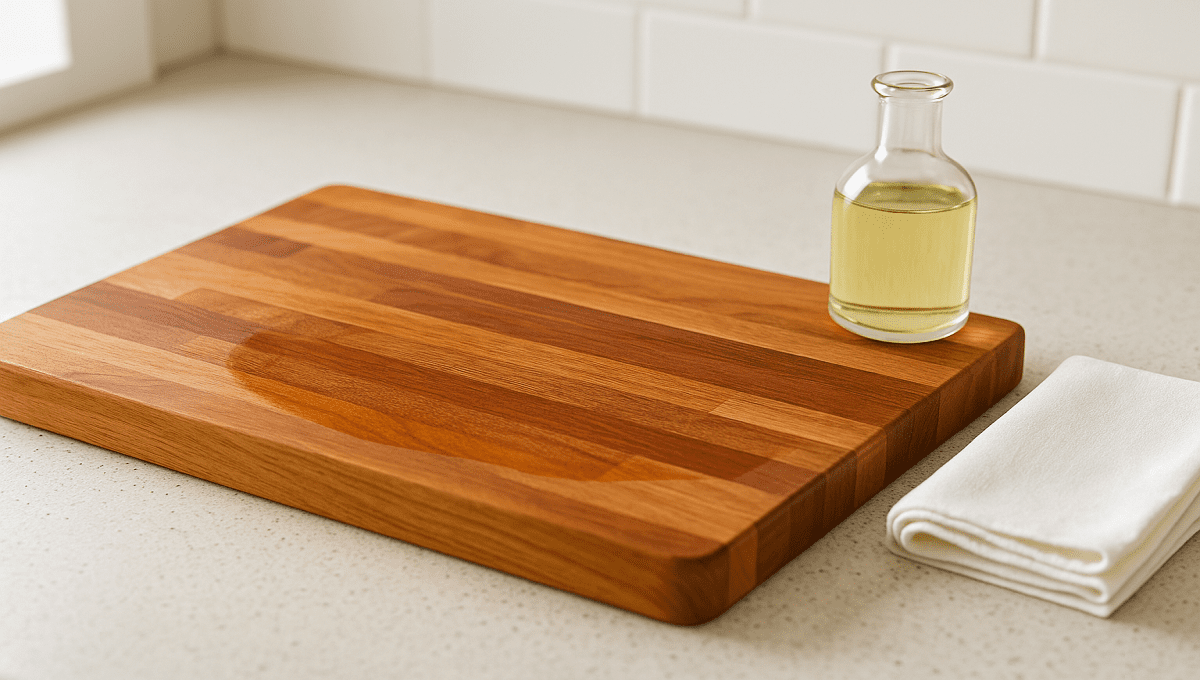
Your food cutting board is more than just a kitchen tool—it’s where you prepare meals for your loved ones every day. But have you ever wondered how to keep it looking fresh, clean, and safe to use?
That’s where mineral oil comes in. Using mineral oil on your cutting board can protect it from cracks, stains, and bacteria, making your kitchen work easier and healthier. If you want to extend the life of your cutting board and keep it in top shape, keep reading to discover why mineral oil is the secret ingredient you’ve been missing.
Benefits Of Mineral Oil
Mineral oil is a popular choice for caring for food cutting boards. It protects the wood and keeps it in good shape. Using mineral oil regularly helps the board last longer and stay safe for food preparation.
This oil is easy to apply and works well with different types of wood. It prevents the wood from drying out and cracking. The benefits make it a simple and effective way to maintain your cutting board.
Protects Wood From Moisture
Mineral oil creates a barrier on the wood surface. This stops water from soaking into the board. It helps prevent swelling, warping, and splitting caused by moisture.
Keeps Wood Smooth
The oil fills tiny cracks and pores in the wood. This smooths the surface and stops rough spots from forming. A smooth board is easier to clean and safer to use.
Food-safe And Non-toxic
Mineral oil is safe for contact with food. It does not contain harmful chemicals. This makes it a good choice for kitchen items like cutting boards.
Prevents Stains And Odors
Applying mineral oil helps keep stains out of the wood. It also blocks strong food smells from soaking in. The board stays clean and fresh with regular use.
Easy To Apply And Affordable
Mineral oil is simple to use at home. Just rub it on and let it soak in. It is also cost-effective, making it a budget-friendly option.

Choosing The Right Mineral Oil
Choosing the right mineral oil for your food cutting board is important. The oil protects the wood and keeps it looking good. It also stops the board from drying out and cracking. Not all mineral oils are the same. Some work better for cutting boards than others. Knowing which one to pick helps your board last longer and stay safe for food.
Food-grade Mineral Oil
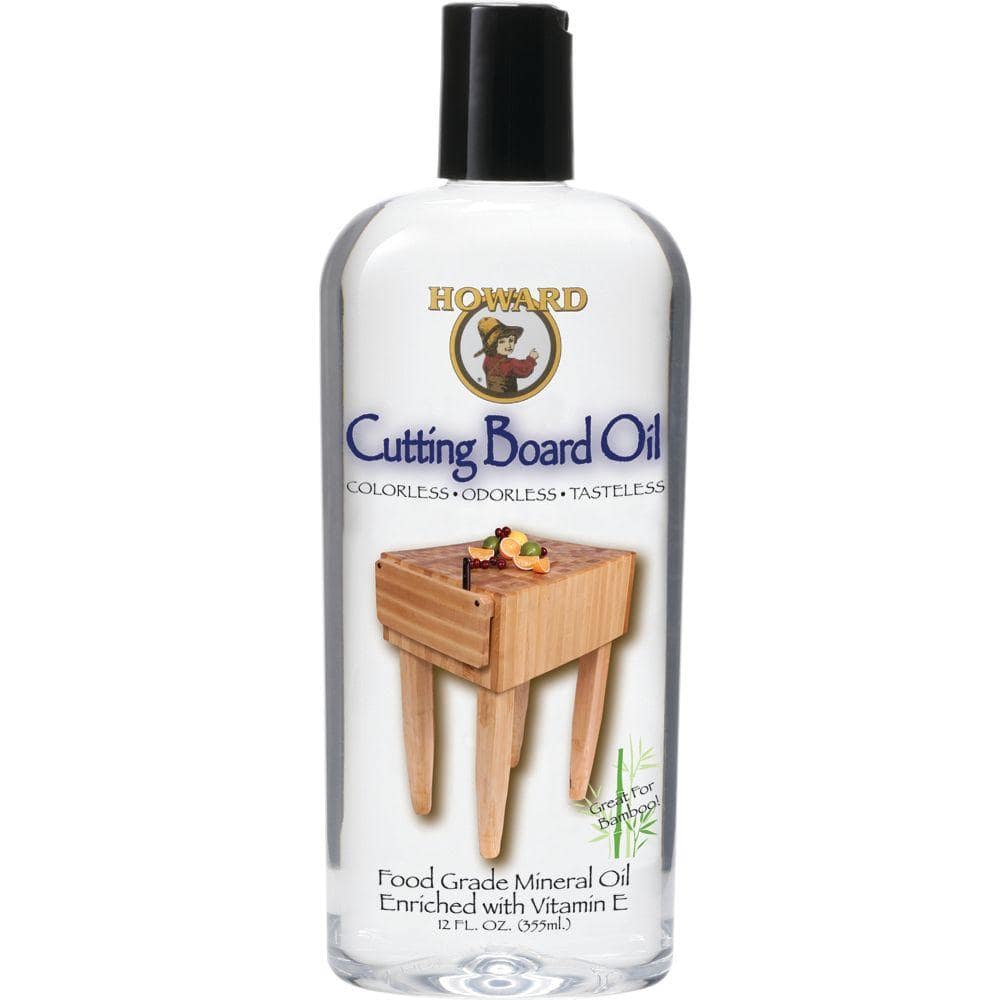
Only use mineral oil that is safe for food use. Food-grade mineral oil is clean and pure. It does not contain harmful chemicals or additives. This type of oil is perfect for cutting boards because it is safe to touch food after application. Avoid oils labeled for industrial use or cosmetics. They may not be safe for your kitchen tools.
Viscosity And Absorption
Choose mineral oil with the right thickness. Thin oil soaks into wood faster. It helps protect the board deeply. Thick oil stays on the surface longer. This can make the board sticky or greasy. Medium viscosity oils work best. They absorb well and keep the board smooth.
Pure Vs. Blended Mineral Oil
Pure mineral oil contains only one ingredient. Blended oils mix mineral oil with other substances. Some blends include beeswax or vitamin E. These can add extra protection and shine. Pure oil is simple and effective. Blends may need more frequent reapplication. Select based on your care routine and preferences.
Packaging And Storage
Pick mineral oil in a sealed container. Dark bottles protect the oil from light damage. This keeps the oil fresh longer. Large bottles are good for many uses. Small bottles are easier to store and use. Store oil in a cool, dry place to keep quality high.
Preparing Your Cutting Board
Preparing your cutting board is the first step to keep it clean and safe. A well-prepared board lasts longer and stays in good shape.
Cleaning and treating the board properly prevents cracks and bacteria build-up. Mineral oil is a common choice for protecting wooden cutting boards.
Cleaning The Cutting Board
Start by washing the board with warm water and mild soap. Use a soft sponge to remove food particles. Avoid soaking the board in water to prevent warping.
Dry the board with a clean towel right after washing. Let it air dry fully before applying any oil.
Sanding The Surface
If the board feels rough, use fine-grit sandpaper. Sand lightly to smooth the surface. This step helps the oil soak in better.
Wipe away the dust with a damp cloth before oiling the board.
Applying Mineral Oil
Pour a small amount of mineral oil on the board. Spread it evenly using a clean cloth. Cover all sides and edges.
Let the oil soak for a few hours or overnight. Wipe off any extra oil with a dry cloth before use.
How To Apply Mineral Oil
Applying mineral oil to a food cutting board is simple and helps protect the wood. It keeps the board from drying out and stops cracks. Regular oiling makes the board last longer and stay clean.
Follow these easy steps to apply mineral oil correctly. A well-oiled board looks better and works well for years.
Prepare The Cutting Board
Clean the board with warm soapy water. Dry it completely using a towel. Make sure no moisture remains on the surface before oiling.
Apply Mineral Oil
Pour a small amount of mineral oil on the board. Use a clean cloth or paper towel. Spread the oil evenly over the entire surface, including edges.
Let The Oil Soak In
Allow the oil to soak into the wood for several hours. Overnight is best. This helps the wood absorb the oil deeply.
Remove Excess Oil
Wipe off any leftover oil with a dry cloth. Avoid leaving a sticky or shiny layer on the board. The surface should feel smooth, not greasy.
Repeat Regularly
Apply mineral oil once a month or after heavy use. Regular care keeps the board strong and safe for food.
Frequency Of Application
Mineral oil is essential for keeping your food cutting board in good shape. Applying it at the right times helps protect the wood and keeps it from drying out. Too little oiling can cause cracks, while too much is wasteful. Knowing how often to apply mineral oil ensures your board lasts longer and stays safe for food use.
Frequency For New Cutting Boards
New cutting boards need oiling more often. Apply mineral oil every day for the first week. This helps the wood soak up the oil well. After the first week, oil it every two to three days for the next month.
Frequency For Regular Use Boards
Boards used daily should get mineral oil once a week. This keeps the wood hydrated and strong. For boards used less often, oil every two to four weeks. Adjust the frequency based on the board’s dryness and condition.
Signs You Need To Reapply Mineral Oil
Dry, dull, or light-colored wood means it needs oil. If water soaks in quickly, the board is dry. Cracks or rough spots also show it is time to oil. Regular checks help you know when to apply mineral oil again.
Signs Your Board Needs Oil
Knowing when your cutting board needs mineral oil helps keep it safe and lasting longer. Mineral oil protects the wood from drying out and cracking. It also stops stains and odors from settling in the board.
Here are clear signs your board needs oil soon. Watch for these to keep your board in good shape.
Wood Looks Dry And Dull
A dry board looks faded and lacks shine. The surface feels rough or dusty. This means the wood needs moisture from mineral oil.
Water Soaks In Quickly
Drop water on the board. If it absorbs fast, the wood is thirsty. A well-oiled board repels water and keeps it on the surface.
Cracks And Splits Appear
Small cracks or splits show the wood is drying out. These gaps can get bigger without oil. Oil helps fill and protect the wood fibers.
Food Stains Or Odors Stick
Stains or smells stay after washing. This means the board’s pores are open and unprotected. Oil seals the wood to block stains and odors.
Board Feels Rough Or Sticky
After cleaning, the surface might feel rough or sticky. This happens when oil wears off. Regular oiling keeps the board smooth and easy to use.
Common Mistakes To Avoid
Using mineral oil on your food cutting board keeps it safe and lasting longer. Many make simple mistakes that reduce the board’s protection. Avoid these common errors to keep your board in top shape.
Applying Mineral Oil On A Wet Board
Oiling a wet board stops the oil from soaking in. Water blocks the oil and leaves the wood dry inside. Always dry the board completely before applying mineral oil.
Using Too Much Mineral Oil
More oil does not mean better protection. Excess oil sits on the surface and feels sticky. Use a small amount and rub it in well.
Not Rubbing The Oil Thoroughly
Simply pouring oil is not enough. Rub the oil deep into the wood grain. This helps the wood absorb and stay protected longer.
Skipping Regular Oiling
Oiling once is not enough. Wood dries out over time and needs regular care. Oil your board every few weeks for best results.
Using The Wrong Type Of Oil
Not all oils are safe for food boards. Avoid cooking oils that can go rancid. Use only pure, food-grade mineral oil for safety.

Comparing Mineral Oil With Alternatives
Mineral oil is a popular choice for treating food cutting boards. It protects wood and keeps it from drying out. Many people wonder how mineral oil compares to other options. Understanding the differences helps pick the best product for your board.
Some alternatives include beeswax, vegetable oils, and specialized board creams. Each option has its own benefits and downsides. This section explains the main points to consider.
Safety And Food Grade Quality
Mineral oil is safe for food contact and does not spoil. It is odorless and tasteless. Vegetable oils can go bad and cause smells or sticky surfaces. Beeswax is also safe but often mixed with oils for better use.
Moisture Protection
Mineral oil soaks deeply into wood, sealing out water. Vegetable oils may not penetrate well and can leave residue. Beeswax sits on the surface, providing a water-resistant layer. Combining beeswax with mineral oil can improve protection.
Ease Of Application
Mineral oil applies easily with a cloth and dries quickly. Vegetable oils may be sticky or take longer to absorb. Beeswax requires melting or rubbing and may need more effort. Mineral oil offers simple, fast maintenance.
Longevity And Maintenance
Mineral oil needs regular reapplication to keep the board safe. Vegetable oils may need more frequent use due to rancidity. Beeswax lasts longer but wears off unevenly. Mineral oil balances ease and effectiveness for ongoing care.
Maintaining Hygiene
Maintaining hygiene on food cutting boards is very important for safe cooking. Bacteria and food particles can hide in small cracks and damage the board. Mineral oil helps protect the surface and keeps the board clean. It creates a barrier that stops water and germs from soaking in. This makes cleaning easier and keeps the board in good shape.
Regular use of mineral oil also prevents the wood from drying out. Dry wood can crack and trap more bacteria. Oiling your board often keeps it smooth and safe for cutting food. Clean boards mean healthier meals and a longer life for your cutting board.
Cleaning Before Oiling
Wash the cutting board with warm, soapy water after each use. Rinse well and dry with a clean towel. Make sure the board is completely dry before applying mineral oil. Wet surfaces stop oil from soaking in properly. A clean, dry board absorbs oil better and stays protected longer.
Applying Mineral Oil
Use a soft cloth to spread mineral oil evenly over the board. Cover all surfaces, including edges and sides. Let the oil soak in for several hours or overnight. Wipe off extra oil to avoid sticky spots. Oiling your board once a month keeps it strong and hygienic.
Preventing Bacteria Growth
Mineral oil blocks water and food particles from entering the wood. This stops bacteria from growing inside the board. A well-oiled board is less likely to have harmful germs. Keep your kitchen safe by oiling cutting boards regularly.
Repairing Minor Damage
Minor damage on a food cutting board can affect its look and safety. Small scratches, cuts, or dry spots reduce the board’s life. Repairing these issues keeps the board smooth and clean. Mineral oil plays a key role in this process. It nourishes the wood and helps restore its surface. Follow these steps to repair your cutting board with mineral oil.
Cleaning The Surface
Start by cleaning the cutting board well. Use warm water and mild soap. Scrub gently to remove dirt and food particles. Dry the board completely before applying oil. A clean surface helps the oil soak in better.
Applying Mineral Oil
Pour a small amount of mineral oil on the board. Use a soft cloth or paper towel to spread it. Cover the entire surface evenly. Let the oil soak into the wood for a few hours or overnight. This step hydrates the wood and reduces roughness.
Sanding Rough Spots
For deeper cuts or rough areas, use fine sandpaper. Sand lightly in the direction of the wood grain. Remove dust with a clean cloth. Apply mineral oil again after sanding. This smooths the surface and blends damaged spots.
Regular Maintenance
Repairing is easy with regular care. Oil the board every few weeks or after heavy use. Keep the board dry and clean to prevent damage. Regular oiling protects the wood and extends the board’s life.
Storing Your Oiled Board
Storing your oiled cutting board correctly helps keep it in great shape. Proper storage stops the wood from drying out or cracking. It also protects the board from bacteria and warping. Taking a few simple steps can extend your board’s life and keep it safe for food preparation.
Keep Your Board Dry
Always dry your cutting board well after cleaning. Use a clean towel to wipe off water. Let it air dry standing up or on a rack. Avoid storing the board flat on a damp surface.
Store In A Cool, Dry Place
Place the oiled board somewhere cool and dry. Avoid areas with high heat or direct sunlight. Heat can cause the wood to warp or crack. A kitchen cabinet or pantry works well.
Avoid Sealing The Board In Plastic
Do not wrap your board tightly in plastic. Plastic traps moisture and can cause mold. Use breathable materials like a cloth towel if covering is needed. This keeps air flowing and prevents damage.
Extending Board Lifespan
Mineral oil helps keep your cutting board strong and long-lasting. It stops the wood from drying out and cracking. Regular use of mineral oil protects the board from water damage.
Oiling your board is a simple step. It keeps the wood healthy and ready for daily use. This care prevents stains and odors from settling into the wood.
Sealing The Wood Surface
Mineral oil forms a thin, protective layer over the wood. This layer blocks moisture from soaking into the board. It stops the wood from swelling or warping.
Preventing Cracks And Splits
Dry wood often cracks or splits with use. Mineral oil keeps the wood hydrated and flexible. This reduces chances of damage from knife cuts and drying out.
Maintaining A Clean And Safe Surface
Oiled boards resist stains and food odors better. Mineral oil does not allow bacteria to hide in the wood. This makes cleaning easier and keeps the board safe for food.
Improving Appearance Over Time
Regular oiling keeps the wood looking fresh and bright. It brings out the natural colors and grain patterns. This makes the cutting board look new for longer.
Frequently Asked Questions
What Is Mineral Oil Used For On Cutting Boards?
Mineral oil protects wood, prevents cracking, and keeps cutting boards smooth and clean.
How Often Should I Apply Mineral Oil To My Board?
Apply mineral oil once a month or when the board looks dry or dull.
Is Mineral Oil Safe For Food Contact Surfaces?
Yes, food-grade mineral oil is safe and does not spoil or smell.
Can Mineral Oil Prevent Bacteria On Cutting Boards?
Mineral oil seals the wood, reducing moisture that bacteria need to grow.
How Do I Apply Mineral Oil To A Wooden Cutting Board?
Spread a thin layer with a cloth, let it soak, then wipe off excess.
Conclusion
Mineral oil keeps your cutting board safe and strong. It stops wood from drying out and cracking. Regular use helps your board last longer. The oil also protects against stains and odors. Applying mineral oil is simple and quick. It makes cleaning easier and keeps your board smooth.
Choose food-grade mineral oil for best results. Caring for your board this way saves money. A well-maintained board looks nice and works well. Try mineral oil to keep your cutting board healthy.