
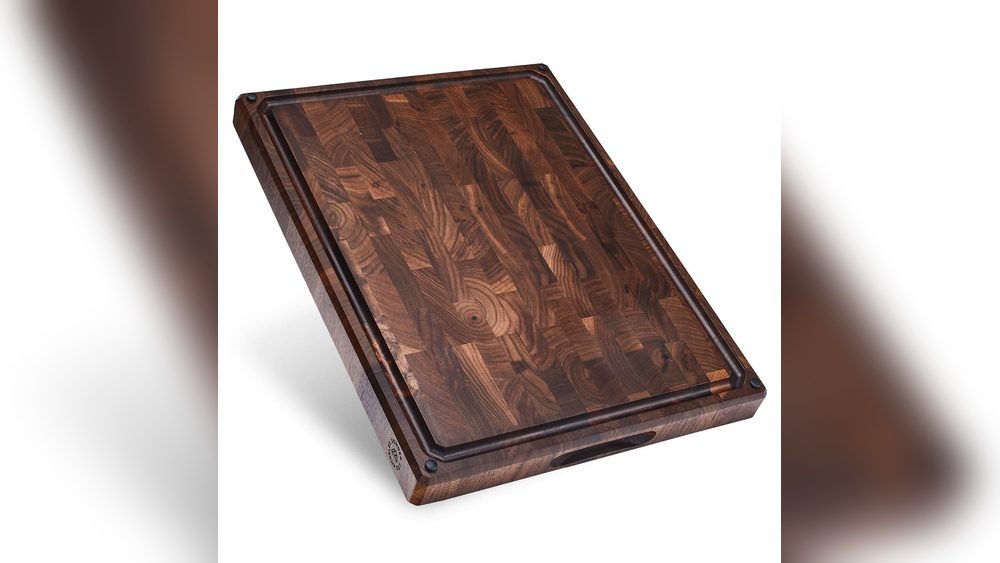
If you love cooking, you know how important a good cutting board is. A Walnut End Grain Cutting Board is more than just a kitchen tool—it’s a game changer.
Imagine a surface that stays sharp on your knives, looks beautiful on your countertop, and lasts for years. This type of cutting board protects your blades and adds style to your kitchen. Ready to discover why a Walnut End Grain Cutting Board could be the best upgrade for your cooking space?
Keep reading, and you’ll find out everything you need to know.
Why Choose Walnut
Choosing the right wood for a cutting board matters a lot. Walnut stands out as a top choice for end grain cutting boards. It offers strength, beauty, and safety all in one.
Durability And Strength
Walnut is a strong hardwood. It resists deep cuts and scratches well. This means your cutting board lasts a long time. The end grain design also helps protect your knives from dulling quickly.
Attractive Natural Color
Walnut has a rich, dark brown color. Its natural grain patterns look beautiful on any kitchen counter. The wood’s color deepens with time, giving a warm, classic feel.
Safe And Food-friendly
Walnut is safe for food contact. It does not release harmful chemicals. The wood also naturally resists bacteria growth. This makes it a hygienic choice for cutting boards.
Easy To Maintain
Walnut cutting boards are easy to clean. Regular oiling keeps the wood healthy and shiny. The board resists warping and cracking better than many other woods.
What Is End Grain
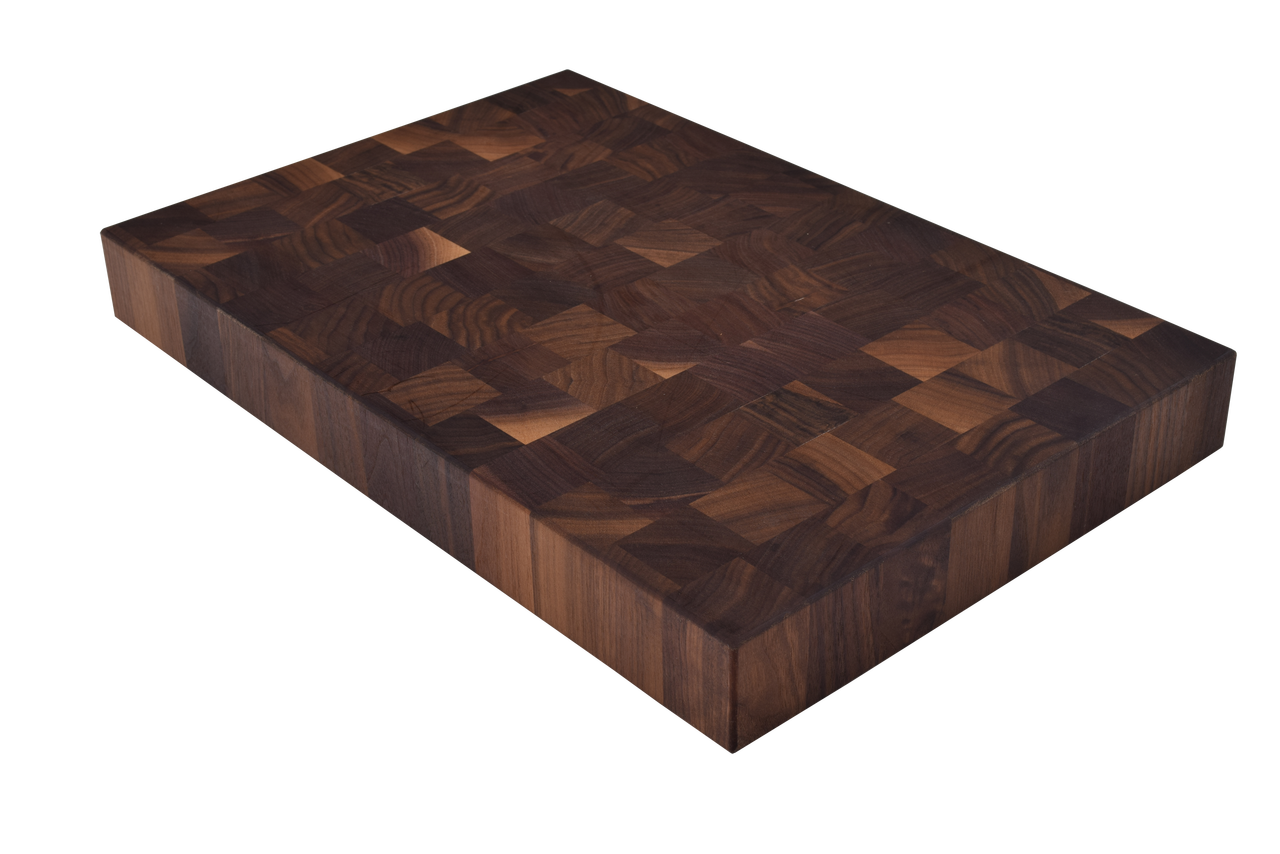
End grain shows the wood’s rings on the surface, making the board strong and gentle on knives. Walnut end grain cutting boards last longer and look beautiful with rich colors. They resist cuts better and heal small marks over time.
What Is End Grain?
End grain is a type of wood cut showing the tree’s growth rings. It looks like many tiny circles packed together. This grain faces up on the cutting surface.
Unlike flat grain, end grain cuts across the wood fibers. It reveals the wood’s natural pattern in a unique way. This cut is popular for cutting boards because it is gentle on knives.
How End Grain Affects Durability
End grain boards absorb knife cuts better than other types. The wood fibers open and close with each cut. This action helps the board heal over time.
It also means the board lasts longer. It does not show scratches easily. This makes it a smart choice for busy kitchens.
Why Choose Walnut For End Grain Boards?
Walnut has a rich, dark color that looks great. It is also strong and resists dents well. Walnut’s natural oils help protect the wood.
These qualities make walnut perfect for end grain boards. The wood stays beautiful even after heavy use. It adds style and function to your kitchen.
Benefits Of End Grain Boards
End grain cutting boards are a popular choice for many kitchens. They offer unique benefits compared to other types of boards. These boards are crafted with the wood fibers standing upright, creating a durable and gentle surface for knives. This design helps maintain your knives’ sharpness and extends the life of the board.
Walnut end grain cutting boards combine beauty and function. Their rich color and pattern make them a stylish kitchen tool. Let’s explore the key benefits of end grain boards in detail.
Durability And Longevity
End grain boards resist cuts and scratches better than other boards. The wood fibers absorb knife impacts without breaking. This quality makes the board last longer and stay smooth over time.
Knife-friendly Surface
The upright wood fibers allow knives to slip in and out easily. This reduces wear on the blade edges. Your knives stay sharper longer, saving you money and effort on sharpening.
Natural Self-healing
Small cuts on the surface tend to close up naturally. The wood fibers swell after contact with moisture. This self-healing effect keeps the board looking fresh and clean.
Attractive Grain Patterns
End grain boards show unique and beautiful wood patterns. Walnut wood adds warmth with its deep, rich tones. These boards enhance your kitchen’s aesthetic while being practical.
Better Hygiene
The dense wood fibers make it harder for bacteria to penetrate. Proper cleaning keeps the board safe for food preparation. End grain boards often smell fresh and resist stains well.
Durability Compared To Other Woods
Walnut end grain cutting boards stand out for their strong durability. This type of wood offers a tough surface that holds up well against daily kitchen use. The end grain construction also helps resist knife marks and warping over time. Comparing walnut to other woods reveals clear benefits for long-lasting boards.
Hardness And Resistance To Knife Marks
Walnut has a medium hardness level that balances toughness with gentleness on knives. It resists deep cuts better than softer woods like pine or cedar. This means knives stay sharper longer, and the board shows fewer grooves. The end grain orientation absorbs impacts, reducing visible damage.
Comparison With Maple
Maple is another popular choice for cutting boards. It is harder than walnut and offers excellent durability. Still, walnut’s darker color hides scratches better. Walnut also feels smoother to the touch. Both woods resist bacteria, but walnut’s natural oils add extra protection.
Durability Against Moisture And Warping
Walnut handles moisture well, reducing the risk of warping. End grain boards, in general, absorb less water than edge grain boards. This makes them more stable in humid kitchen environments. Walnut’s tight grain structure helps maintain shape and strength for years.
Longevity Compared To Bamboo
Bamboo is fast-growing and eco-friendly but less durable than walnut. It can split or crack over time with heavy use. Walnut’s dense wood and end grain construction provide greater longevity. This makes walnut boards a smart choice for long-term kitchen use.
Crafting The Perfect Board
Crafting the perfect walnut end grain cutting board takes skill and care. This process shapes a strong, beautiful kitchen tool. Each step matters to create a board that lasts long and works well.
Every piece of walnut wood is chosen for its color and grain. The wood must be dry and free from cracks. This ensures the board will stay solid and look good over time.
Selecting Quality Walnut Wood
Good wood makes a good board. Walnut is prized for its deep color and toughness. Craftsmen pick boards with tight grain patterns. This helps the cutting board resist cuts and dents.
Cutting And Arranging The End Grain
The wood is cut into small blocks. These blocks show the end grain, which faces up on the board. The end grain is tough and heals better from knife cuts. Blocks are arranged to create a smooth, even surface.
Gluing And Clamping The Blocks
Blocks are glued tightly together. Clamps hold the board firmly while the glue dries. This step is key for strength. A well-glued board won’t fall apart with use.
Sanding And Finishing
The board is sanded to remove rough spots. Sanding makes the surface smooth and safe for knives. Finally, natural oils are applied. These oils protect the wood and bring out the rich walnut color.
Design Styles And Finishes
Walnut end grain cutting boards bring beauty and durability to any kitchen. Their design and finish affect both style and function. Choosing the right style and finish enhances your cooking experience.
Traditional Block Design
The classic block design shows the wood’s natural grain. Small wooden blocks are glued together, creating a thick, sturdy surface. This design resists knife marks and lasts for years. It also looks warm and inviting on the countertop.
Checkerboard Pattern
The checkerboard pattern uses different shades of walnut and other woods. This style adds visual interest and a modern touch. It suits kitchens that want a unique, handcrafted look. The pattern also hides small scratches well.
Natural Oil Finish
Natural oil finishes protect the wood without changing its color. Oils like mineral oil or walnut oil soak into the board. They keep the wood from drying out and cracking. This finish feels smooth and safe for food contact.
Glossy Varnish Finish
Glossy varnish adds a shiny, polished look. It seals the wood completely, making cleaning easier. This finish highlights the rich walnut tones and patterns. It works well for display boards but may show knife marks faster.
Matte Finish
The matte finish offers a soft, natural look. It reduces glare and feels less slippery. This finish hides fingerprints and water spots better. It keeps the board looking fresh with minimal upkeep.
Caring For Your Walnut Board
Taking care of your walnut end grain cutting board helps it last longer and stay beautiful. Walnut wood is strong and dense, but it needs some care to keep its rich color and smooth surface. Proper cleaning and maintenance protect the wood from cracks, stains, and odors.
Simple steps every day can keep your board safe and ready for food prep. Treating the wood with oil restores moisture and prevents drying out. Avoiding harsh cleaning methods keeps the board in good shape.
Cleaning Your Walnut End Grain Cutting Board
Wash your board by hand with warm water and mild soap. Do not soak it in water or put it in the dishwasher. Dry the board immediately with a clean towel to stop warping. Use a soft sponge or cloth to avoid scratches. For odors, rub the board with a cut lemon and sprinkle salt, then rinse.
Oiling And Conditioning The Wood
Apply food-safe mineral oil regularly to keep the wood hydrated. Use a clean cloth to rub the oil into the surface. Let the oil soak in for a few hours or overnight. Wipe off any extra oil before using the board again. This process prevents cracks and keeps the walnut looking rich and dark.
Storing Your Walnut Board Properly
Store the board in a dry place away from heat or sunlight. Keep it upright or flat on a clean surface. Avoid stacking heavy items on top to prevent warping. Proper storage helps maintain the board’s shape and surface quality over time.
Common Mistakes To Avoid
Using a walnut end grain cutting board brings many benefits. It is durable and kind to knives. Still, some mistakes can shorten its life or cause damage. Avoiding these common errors helps keep your board strong and beautiful for years.
Not Oiling The Board Regularly
Walnut end grain boards need regular oiling. Without oil, wood dries out and cracks. Use food-safe mineral oil to keep the board moist. Apply oil once a month or more if the board looks dry.
Putting The Board In The Dishwasher
Dishwashers harm wooden boards. Hot water and strong detergents cause warping and splitting. Hand wash the board with mild soap and warm water instead. Dry it quickly with a towel to prevent damage.
Cutting Meat Without Cleaning Properly
Cutting raw meat can spread bacteria. Clean the board well after use. Use hot, soapy water and rinse thoroughly. Sanitize with a vinegar solution to keep the board safe and fresh.
Using Harsh Cleaners Or Scrubbing Pads
Strong cleaners and scrubbing pads harm the wood surface. They remove the natural finish and cause roughness. Use a soft sponge and gentle cleaner only. This protects the board’s smooth texture and grain.
Ignoring Board Storage Conditions
Storing the board in damp or hot places damages it. Wood may warp or grow mold. Keep the board in a dry, cool area. Store it standing up or flat with good air flow.
Eco-friendly Aspects
The Walnut End Grain Cutting Board is a smart choice for eco-conscious kitchens. It offers durability and beauty while caring for the planet. Using sustainable wood helps reduce waste and protects forests.
This cutting board lasts a long time. It avoids frequent replacements, which means less trash. Choosing natural materials also means fewer chemicals in your home.
Sustainable Harvesting Practices
Walnut wood often comes from well-managed forests. These forests follow rules to keep trees healthy. They plant new trees to replace those cut down. This balance supports nature and wildlife habitats.
Biodegradable and Natural Material
Walnut wood breaks down naturally at the end of its life. It does not add harmful waste to landfills. Unlike plastic boards, it does not release toxins. This helps keep soil and water clean.
Minimal Processing and Chemical Use
The board requires little treatment to stay strong. It avoids harsh chemicals and synthetic finishes. Natural oils protect the wood and keep it food-safe. This reduces pollution and health risks.
End grain boards resist cuts and scratches better. They stay in good shape for many years. This means fewer boards thrown away. Long-lasting products save resources and energy.

Using Your Board Safely
Using your walnut end grain cutting board safely helps keep food clean and your kitchen healthy. This type of board is strong and gentle on knives. Proper care and use make it last longer and stay safe.
Follow simple rules to avoid damage or germs. Clean and store it right. Use the board only for food preparation. These steps protect both your cutting board and your food.
Cleaning Your Walnut End Grain Cutting Board
Wash the board with warm water and mild soap after each use. Avoid soaking it in water to prevent cracks. Dry it quickly with a clean towel. Let it air dry standing up to stop moisture buildup.
Preventing Cross-contamination
Use separate boards for meat, vegetables, and fruits. This stops bacteria from spreading between foods. Clean the board well after cutting raw meat. Use a small amount of vinegar or lemon juice to kill germs.
Oiling And Maintaining Your Board
Apply food-safe mineral oil regularly to keep the wood hydrated. This stops the board from drying out and cracking. Rub the oil in with a soft cloth. Let it soak overnight, then wipe off the extra oil.
Proper Storage Tips
Store the cutting board in a dry place away from heat. Keep it upright to allow air circulation. Avoid placing it near the stove or dishwasher. This prevents warping and damage.
Custom Vs. Store-bought Options
Choosing between a custom and a store-bought walnut end grain cutting board can shape your kitchen experience. Both options have their own benefits and drawbacks. Understanding these can help you pick the best board for your needs.
A custom board offers a unique touch and personal design. Store-bought boards are ready to use and often less costly. Let’s explore what makes each option special.
Custom Walnut End Grain Cutting Boards
Custom boards are made to your exact size and style. You can select the wood grain pattern and thickness. This ensures the board fits your kitchen space perfectly.
Craftsmen often use high-quality walnut for durability and beauty. You get a one-of-a-kind piece that can last for years. These boards may cost more but offer great value in quality.
Store-bought Walnut End Grain Cutting Boards
Store-bought options are convenient and ready to use right away. They come in standard sizes and designs. This makes them easier to find and buy quickly.
These boards usually cost less than custom ones. They work well for everyday kitchen tasks. Many still use good quality walnut for strength and cutting performance.
Factors To Consider
Think about how often you use your cutting board. Consider your budget and kitchen space. Custom boards fit special needs but take time to make.
Store-bought boards are practical and fast to get. Both types protect your knives well and look great on your counter. Choose what matches your style and cooking habits best.

Incorporating Style In Your Kitchen
A walnut end grain cutting board adds more than function to your kitchen. It brings natural beauty and warmth to the space. Its rich color and unique pattern catch the eye instantly.
The board’s thick, sturdy design stands out on any countertop. It creates a sense of quality and care in your kitchen setup. This item can serve as both a tool and a decorative piece.
Enhancing Kitchen Decor With Natural Wood
Walnut wood has a deep, dark tone that contrasts well with light kitchens. It blends nicely with rustic, modern, or traditional styles. The natural grain pattern adds texture and depth.
Use the cutting board as a display item when not in use. Lean it against the backsplash or hang it on a wall hook. It creates a warm, inviting look instantly.
Combining Function And Aesthetic Appeal
The end grain surface is not only beautiful but also gentle on knives. It helps keep blades sharp longer. This practical benefit adds to the board’s stylish appeal.
Its thickness and solid feel give a sense of durability. This quality makes it a centerpiece in your kitchen tools. Guests often notice and admire its craftsmanship.
Matching Your Kitchen’s Color Scheme
Walnut’s rich brown hues complement many color palettes. It pairs well with whites, grays, blues, and greens. The board adds warmth to cool-toned kitchens.
Choose walnut boards with natural finishes to keep the authentic look. This choice enhances the kitchen’s natural and organic vibe. It fits well with both matte and glossy surfaces.
Frequently Asked Questions
What Is A Walnut End Grain Cutting Board?
A walnut end grain board uses wood blocks with grain facing up, making it strong and gentle on knives.
Why Choose Walnut For Cutting Boards?
Walnut is hard, durable, and naturally resistant to bacteria, making it ideal for kitchen use.
How To Clean A Walnut End Grain Cutting Board?
Wash with warm water and mild soap. Dry it well to prevent warping or cracking.
Does An End Grain Board Protect Knives Better?
Yes, end grain boards are softer on knives, helping keep them sharp longer.
How To Maintain A Walnut End Grain Cutting Board?
Apply food-safe oil regularly to keep the wood hydrated and prevent cracks.
Conclusion
Walnut end grain cutting boards last long and resist knife marks well. They look beautiful and add warmth to any kitchen. Caring for them is easy with regular oiling. These boards provide a sturdy surface for all your chopping needs.
Choosing walnut means getting a strong, natural, and safe cutting board. A good board helps keep your knives sharp and your food clean. Walnut end grain boards combine style and function perfectly. Consider one for your kitchen to enjoy these benefits daily.