
When it comes to your kitchen, safety should always come first—especially with something you use every day, like your cutting board. But have you ever stopped to wonder which cutting board material is truly the safest for you and your family?
Choosing the wrong one can lead to bacteria buildup and even affect the taste of your food. You’ll discover which cutting board materials keep your meals clean and healthy, and how to pick the best option for your kitchen. Keep reading to protect your food and make cooking safer and easier.

Types Of Cutting Board Materials
Choosing the right cutting board is important for safety and kitchen hygiene. Different materials offer unique benefits and challenges. Understanding these types helps pick the safest option for your kitchen.
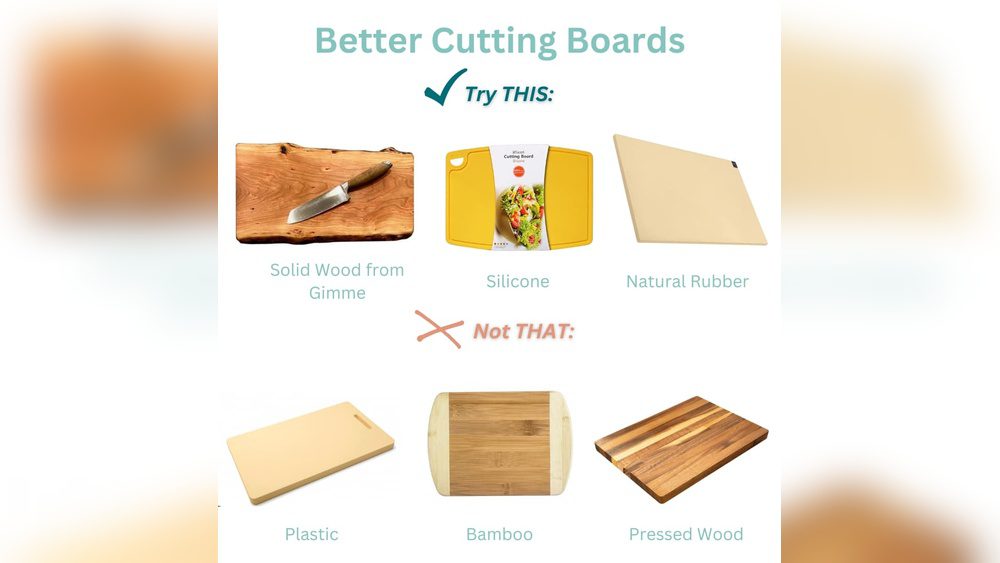
Wood boards are popular and gentle on knives. They absorb moisture, which can trap bacteria if not cleaned well. Hardwoods like maple and walnut are best. They resist deep cuts and are naturally antibacterial.
Plastic boards are lightweight and easy to clean. They can go in the dishwasher, killing most germs. Scratches can hold bacteria, so replace boards often. They come in many colors to avoid cross-contamination.
Bamboo is a fast-growing grass, making it eco-friendly. It is harder than many woods, so it lasts longer. Bamboo boards resist water but can crack if too dry. They need regular oiling to stay safe and smooth.
Glass boards look clean and are easy to wash. They do not absorb liquids or germs. But glass is very hard and dulls knives quickly. It can also break or chip, which is unsafe for cooking.
Composite boards combine wood fibers and resin. They are durable and dishwasher safe. These boards resist stains and cuts well. They offer a good balance between wood and plastic benefits.
Wood Cutting Boards
Wood cutting boards remain a popular choice in kitchens worldwide. They offer a natural surface that is gentle on knives. Wood has natural properties that resist bacteria growth. This makes wooden boards a safe option for food preparation. Their durability and beauty add charm to any kitchen.
Hardwoods Vs Softwoods
Hardwood boards come from trees like maple and walnut. These woods are dense and durable. They resist deep cuts and scratches better than softwoods. Softwood boards, such as pine, are less dense. They wear down faster and can harbor bacteria in grooves. Hardwoods are safer and last longer. Softwoods may be cheaper but need more care.
Maintenance Tips
Clean wooden boards with warm soapy water after use. Avoid soaking them in water to prevent warping. Dry boards thoroughly before storing. Regularly oil boards with food-safe mineral oil. This keeps the wood from drying out and cracking. Sand down rough spots to remove deep cuts. Proper care keeps the board safe and extends its life.
Plastic Cutting Boards
Plastic cutting boards are a popular choice in many kitchens. They are lightweight and affordable. These boards come in different colors and sizes. Many people prefer plastic because it is easy to clean. Plastic boards are also less likely to dull knives than harder surfaces.
Types Of Plastics
Plastic cutting boards are made from various materials. The most common types are polyethylene and polypropylene. High-density polyethylene (HDPE) is popular for its durability. It resists deep scratches and cuts. Polypropylene is slightly softer but still strong. Both types are safe for food contact. Some boards use recycled plastic, which is eco-friendly.
Cleaning And Care
Cleaning plastic cutting boards is simple. Wash with hot, soapy water after each use. Use a scrub brush to remove food particles. Plastic boards can go in the dishwasher. The heat kills bacteria and dries the board well. Avoid deep cuts by replacing worn boards. Regular cleaning helps prevent germs and odors.
Bamboo Cutting Boards
Bamboo cutting boards are a popular choice in many kitchens today. They offer a natural and fresh look. Bamboo is a grass, not wood, which makes it a unique material for cutting boards.
Many people prefer bamboo because it is eco-friendly. It grows quickly and can be harvested without cutting down trees. Bamboo boards are hard and dense, which helps them resist knife marks and scratches. This makes them last longer in daily use.
Durability And Sustainability
Bamboo is very strong and can handle heavy chopping. It does not absorb much water, so it stays dry and clean. This quality reduces the chance of bacteria growth. Bamboo regrows fast after harvesting. This makes it a sustainable choice for the environment. Using bamboo helps protect forests and reduce waste.
Pros And Cons
Pros include being lightweight and easy to clean. Bamboo boards are less likely to dull knives than plastic. They also look stylish and natural on any kitchen counter.
Cons are that bamboo can crack if left wet too long. It may need oiling to keep its surface smooth. Some bamboo boards are harder, which can wear down knives faster than wood. Not all bamboo boards are made the same, so quality varies.
Composite Cutting Boards
Composite cutting boards offer a safe and reliable option for daily kitchen use. They combine different materials to provide a strong, easy-to-clean surface. These boards resist deep cuts and stains, which helps stop bacteria from hiding. Their design suits many cooking tasks and fits well in busy kitchens.
Materials Used
Composite boards are made from a mix of wood fibers and resin. This blend creates a dense, solid surface. The wood fibers give a natural feel, while resin adds strength and water resistance. Some boards use recycled materials, making them eco-friendly. This mix keeps the board durable and safe for food contact.
Performance And Durability
These boards stand up well to heavy use. They resist warping and cracking better than plain wood boards. Composite boards hold knives well, reducing dullness. They clean easily with soap and water. Most are dishwasher safe, saving time on cleaning. This durability makes them a smart choice for any kitchen.
Glass Cutting Boards
Glass cutting boards are popular for their sleek look and easy cleaning. They do not absorb liquids or stains. This makes them a hygienic choice in many kitchens. Their smooth surface can handle knives without much effort. Yet, glass boards come with some important points to consider.
Safety Concerns
Glass cutting boards can be slippery. This may cause accidents while chopping. The hard surface can dull knives quickly. Broken glass is a serious risk. If the board cracks, sharp pieces may scatter. This can cause cuts or injuries. Careful handling is essential to avoid harm.
Durability Issues
Glass boards are brittle and can break easily. Dropping one on a hard floor often leads to cracks. Unlike wood or plastic, they cannot be sanded or repaired. Over time, small chips may form on the edges. These chips reduce the board’s lifespan. They also create spots where bacteria can hide.
Marble And Stone Cutting Boards
Marble and stone cutting boards offer a unique style for kitchen use. These boards bring a cool, smooth surface that many find appealing. Their natural beauty fits well in many kitchen designs. Besides looks, they have qualities worth knowing.
Health Safety
Stone boards resist bacteria well. Their hard surface does not absorb liquids. This means juices from meats or vegetables stay on top. Cleaning is easy with soap and water. No deep cuts or grooves hold germs. This keeps food safe and clean.
Durability Factors
Marble and stone are very strong materials. They handle heavy cutting without damage. Scratches are less visible than on wood. These boards do not warp or crack easily. Still, dropping them can cause chips. Careful handling keeps them lasting long.
Antimicrobial Properties
Choosing a cutting board with antimicrobial properties helps keep your kitchen safer. These properties reduce the growth of bacteria and other germs on the surface. This lowers the chance of food contamination. Some materials naturally stop microbes from spreading. Knowing which materials have this quality helps in selecting the best cutting board.
Materials With Natural Antimicrobials
Wood is a top choice for its natural antimicrobial traits. Hardwoods like maple and bamboo contain substances that fight bacteria. Bamboo is especially resistant to moisture and germs. Some plastic boards have antimicrobial additives to slow bacterial growth. Copper boards also kill many types of germs fast. Using these materials can reduce harmful microbes on your cutting board.
Effectiveness In Food Safety
Cutting boards with antimicrobial properties limit bacteria survival. This reduces the risk of cross-contamination between raw and cooked foods. Studies show wooden boards can be safer than plastic if cleaned well. Antimicrobial plastics provide extra protection in busy kitchens. Proper cleaning is still essential for all boards. Choosing the right material adds an extra layer of food safety.
Impact On Knife Health
Choosing the right cutting board affects your knife’s health. Some materials wear down blades faster. Others help keep knives sharp for longer. Understanding these effects helps protect your kitchen tools.
Soft Vs Hard Surfaces
Soft cutting boards like wood or bamboo are gentle on knives. They absorb the blade’s impact. This reduces dulling and chipping. Hard surfaces such as glass or stone cause knives to dull quickly. The blade hits a tough, unforgiving surface. This leads to faster wear and damage.
Maintaining Sharpness
Using a soft cutting board helps keep knives sharp longer. It requires less frequent sharpening. Sharp knives make cooking safer and easier. Regularly sharpen knives to maintain their edge. Avoid cutting on glass or metal boards to protect blade edges.
Cleaning And Sanitizing Methods
Cleaning and sanitizing cutting boards is crucial for kitchen safety. It prevents bacteria growth and keeps food safe. Different materials need different care methods to stay clean and last longer.
Best Practices For Each Material
Wood boards require hand washing with warm, soapy water. Avoid soaking them to prevent warping. Dry wood boards immediately with a towel. Oil them regularly to keep the surface smooth and crack-free.
Plastic boards are dishwasher safe, making them easy to clean. Use hot water and strong detergent for best results. For extra sanitation, spray with a bleach solution and rinse well. Replace plastic boards if deep cuts form.
Bamboo boards need gentle washing with mild soap. Avoid harsh chemicals that can damage the surface. Dry bamboo boards quickly to avoid cracking. Treat them with mineral oil occasionally to maintain strength.
Avoiding Cross-contamination
Use separate cutting boards for raw meat, vegetables, and cooked foods. This stops harmful bacteria from spreading. Clean boards thoroughly after each use. Store them in a dry, well-ventilated place.
Color-coded boards help identify the correct board for each food type. Never use the same board for raw chicken and fresh salad. Always wash your hands after handling raw foods. These steps reduce the risk of foodborne illness.
Environmental Impact
Choosing the safest cutting board material also means thinking about the environment. Some materials harm the planet more than others. This affects forests, oceans, and landfill spaces. Understanding the environmental impact helps us pick better options.
Sustainability Of Materials
Wood cutting boards come from trees, but some woods grow fast. Bamboo is a popular choice. It grows quickly and can be harvested without killing the plant. Plastic boards use fossil fuels and take a long time to break down. Glass and stone require a lot of energy to make.
Natural materials like wood and bamboo often have a smaller carbon footprint. They also support renewable resources. Choosing these materials helps protect nature and saves energy.
Recycling And Disposal
Plastic cutting boards are hard to recycle and often end up in landfills. They can take hundreds of years to decompose. Wood and bamboo boards can be composted if untreated. This reduces waste and enriches soil.
Glass and stone boards do not break down easily. They also cannot be recycled in many places. Proper disposal matters to keep the environment clean. Selecting materials that can be recycled or safely disposed of reduces pollution.
Choosing The Right Cutting Board
Choosing the right cutting board is important for health and kitchen safety. A good cutting board protects your knives and stops germs from spreading. The material matters a lot. Some materials are safer and last longer than others. Understanding what to pick helps keep your food clean and your tools sharp.
Factors To Consider
Think about how you use your board. Cutting raw meat needs a different board than chopping vegetables. The board should be easy to clean. Look for surfaces that do not absorb liquids. Size matters too. A bigger board gives more space but takes more storage. Consider weight and stability for safe cutting. Choose a board that fits your kitchen habits and space.
Balancing Safety And Durability
Safety means avoiding bacteria buildup and easy cleaning. Durability means the board stays strong after many uses. Wood boards are gentle on knives and can last long if cared for. Plastic boards are easy to clean and dishwasher safe. Bamboo boards are hard and resist cuts but need careful cleaning. Find a balance that suits your kitchen style and keeps food safe.

Frequently Asked Questions
What Is The Safest Material For Cutting Boards?
Wood and bamboo are safest due to natural antimicrobial properties and knife-friendly surfaces.
Why Is Plastic Less Safe Than Wood Cutting Boards?
Plastic boards can develop deep cuts that trap bacteria, making them harder to clean safely.
Can Glass Cutting Boards Be Considered Safe?
Glass is hygienic but can dull knives quickly and cause slipping, making it less safe overall.
How Often Should I Replace My Cutting Board For Safety?
Replace when deep grooves or cracks appear, as they can harbor harmful bacteria.
Are Bamboo Cutting Boards Safer Than Other Wooden Boards?
Yes, bamboo resists moisture and bacteria better, making it a safe, eco-friendly choice.
Conclusion
Choosing the right cutting board keeps your kitchen safe and clean. Wood and plastic are popular, but each has pros and cons. Wood resists bacteria well and lasts long with care. Plastic is easy to clean and dishwasher safe. Avoid glass and bamboo for safety reasons.
Regular cleaning and replacing worn boards matter most. A safe cutting board helps protect your food and health. Simple steps make a big difference in your kitchen. Keep safety first, and enjoy cooking every day.