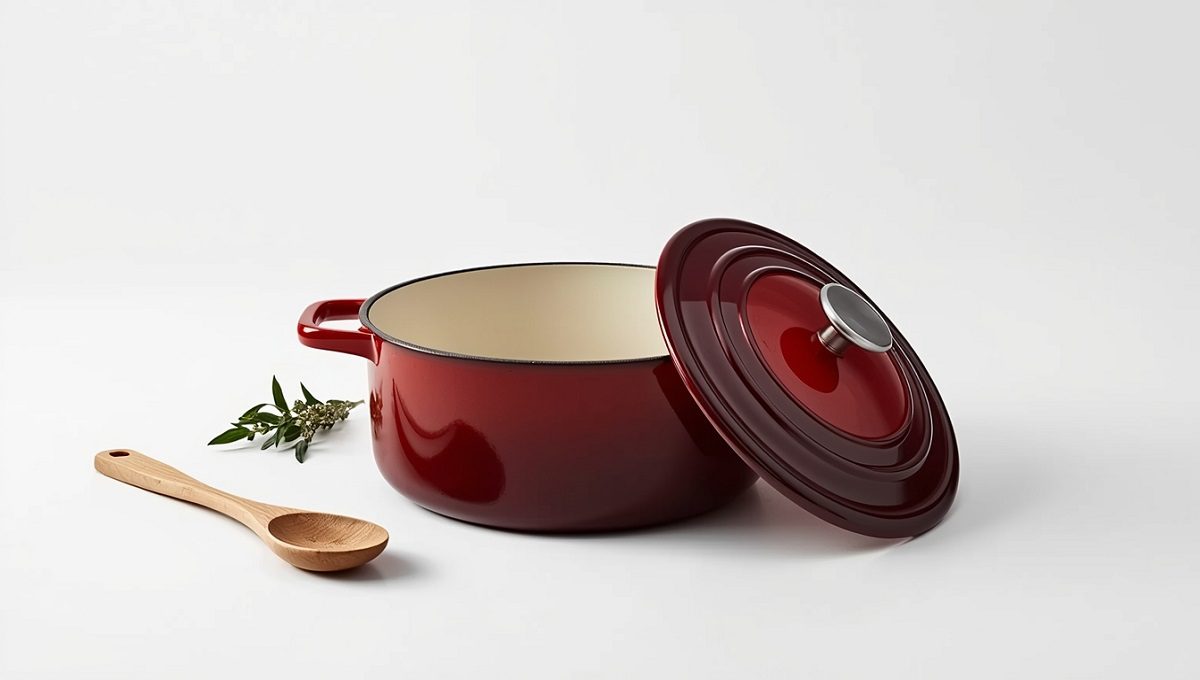
If you love cooking and want cookware that lasts a lifetime, enamel cast iron might be just what you need. Imagine pots and pans that heat evenly, look stunning on your stove, and make cleaning up easier than ever.
Enamel cast iron cookware combines strength and style, giving you the best of both worlds. You’ll discover why this type of cookware could transform your kitchen experience—and how to choose the right pieces for your cooking style. Ready to unlock the secret to better meals and less hassle?
Keep reading!
Benefits Of Enamel Cast Iron
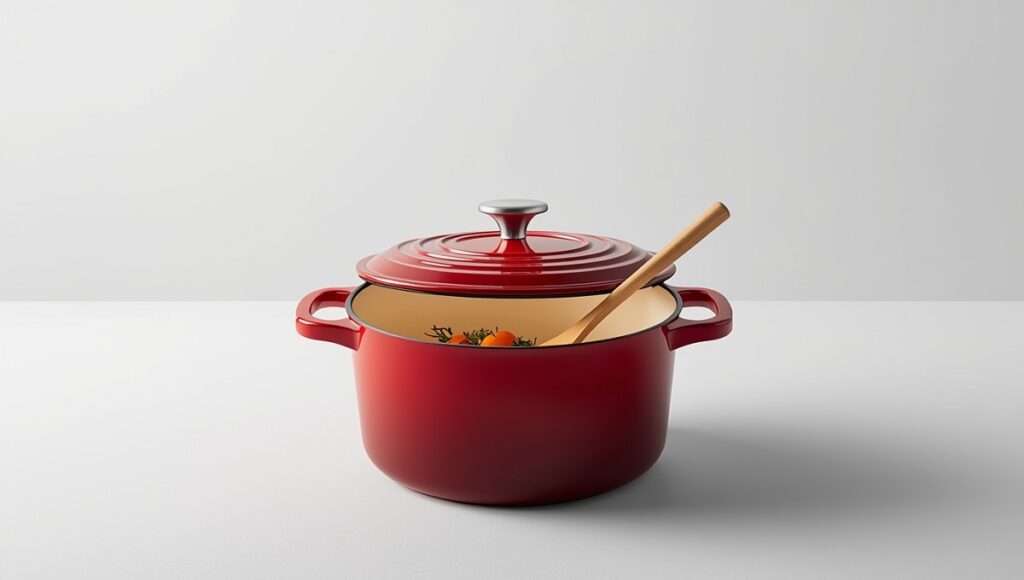
Enamel cast iron cookware offers many benefits that make it a popular choice in kitchens. It combines the strength of cast iron with a smooth, easy-to-clean surface. This cookware type cooks food evenly and keeps heat for a long time. It also looks attractive, coming in many colors and styles.
People enjoy enamel cast iron because it works well on many cooking surfaces. It resists rust and does not need seasoning like traditional cast iron. The enamel coating helps prevent food from sticking and makes cleanup simple. This cookware lasts for years with proper care.
Enamel cast iron is very strong and lasts a long time. The enamel coating protects the iron from rust and damage. It can handle high heat without cracking or chipping. This cookware stays in good shape even after heavy use.
Even Heat Distribution
Cast iron holds and spreads heat evenly across the surface. This means food cooks uniformly without hot spots. It helps prevent burning or undercooking. The enamel layer does not affect heat flow but adds protection.
Easy To Clean
The smooth enamel surface stops food from sticking. It is simple to wash by hand or in a dishwasher. No need to scrub hard or use special cleaners. This saves time and effort after cooking.
Non-reactive Surface
Enamel does not react with acidic or salty foods. This keeps the food’s flavor pure and fresh. No metal taste or discoloration occurs. It is safe for cooking tomato sauces, citrus, and vinegar-based dishes.
Versatile Use
Enamel cast iron works on all stove types, including induction. It is oven-safe for baking and roasting. You can use it for frying, simmering, and slow cooking. This cookware suits many recipes and cooking styles.
Choosing The Right Size
Choosing the right size of enamel cast iron cookware matters a lot. The size affects cooking results and ease of use. Pick the right size for your meals and kitchen space. Avoid too large or too small pans to save energy and time.
Understanding Your Cooking Needs
Think about what you cook most. Small meals need smaller pans. Big family dinners need larger pots. Choose sizes that match your usual recipes. This helps cook food evenly and quickly.
Considering Storage Space
Check your kitchen storage before buying. Large cookware needs more space. If your kitchen is small, pick compact sizes. Proper storage keeps your cookware safe and clean.
Matching Stove And Oven Size
Make sure the cookware fits your stove burners. A pan too big or small wastes heat. Also, check if it fits inside your oven. Correct fit helps cook food well.
Thinking About Weight And Handling
Enamel cast iron is heavy. Big sizes can be hard to lift. Choose a size you can handle comfortably. Easy handling makes cooking safer and fun.
Types Of Enamel Coatings
Enamel cast iron cookware features different types of enamel coatings. These coatings protect the cast iron and add color. Each type offers unique benefits and care instructions.
Choosing the right enamel coating affects durability and cooking performance. Understanding these types helps you pick the best cookware for your kitchen.
Single-layer Enamel Coating
Single-layer enamel is a basic coating on cast iron. It provides good protection against rust and corrosion. This type is smooth and easy to clean. It works well for everyday cooking and slow heat distribution.
Double-layer Enamel Coating
Double-layer enamel has two layers for extra strength. The first layer bonds to the cast iron. The second layer adds color and shine. This coating resists chipping better than single-layer enamel. It also makes cleaning easier and improves heat retention.
Matte Enamel Coating
Matte enamel offers a non-glossy, natural look. It hides scratches and stains well. This coating feels slightly rough but cleans easily. Matte enamel is less shiny but very durable. It suits rustic kitchen styles and everyday use.
Glossy Enamel Coating
Glossy enamel shines brightly and looks smooth. It adds a pop of color to your cookware. This coating resists stains and food sticking. Glossy enamel is easy to wipe clean after cooking. It needs gentle care to avoid scratches.
Heat Retention And Distribution
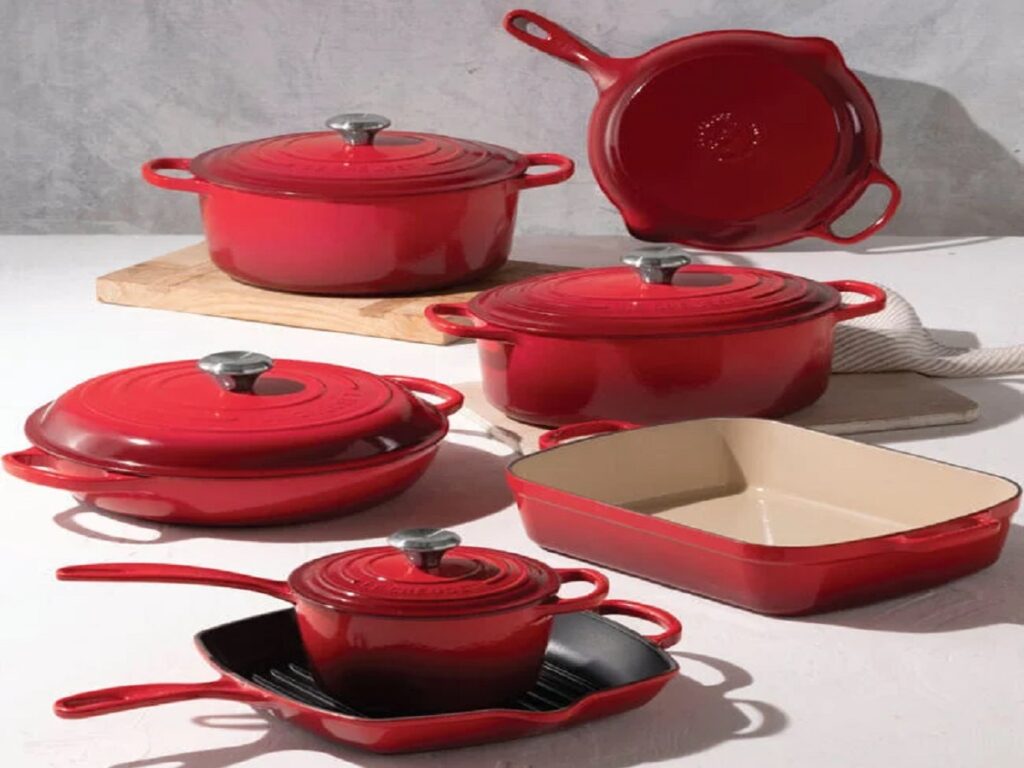
Enamel cast iron cookware is well known for its excellent heat retention and even heat distribution. These features help cook food thoroughly and maintain steady temperatures. This cookware type heats up slowly but holds warmth for a long time, making it perfect for simmering and slow cooking.
Its thick iron core spreads heat evenly across the cooking surface. This avoids hot spots that can burn food or leave some parts undercooked. The enamel coating adds durability and makes cleaning easier without affecting heat performance.
How Enamel Cast Iron Holds Heat
The dense cast iron core absorbs heat and keeps it for a long period. This means food stays warm even after the stove is turned off. It also means less energy is needed to keep food at the right temperature.
Even Heat Distribution Benefits
Heat spreads smoothly across the entire cooking surface. This consistency helps cook food evenly and prevents burning. Recipes that require steady heat, like stews or braises, turn out better with enamel cast iron.
Ideal Cooking Uses
Enamel cast iron works well for recipes needing slow, steady cooking. It is great for soups, roasts, and casseroles. The cookware’s heat control improves flavor and texture by cooking food evenly.
Cooking Techniques To Try
Enamel cast iron cookware offers many ways to cook your favorite meals. Its heavy build holds heat well. This helps cook food evenly. You can try many cooking methods with it.
Each technique brings out different flavors. The cookware’s enamel surface prevents sticking. It also makes cleaning easy. Here are some cooking techniques to try.
Searing And Browning
Sear meats or vegetables to create a crispy surface. Heat the pan well before adding food. This locks in juices and flavor. It works great for steaks and chicken.
Braising
Braise tougher cuts of meat slowly in liquid. Use low heat and cover the pot. The enamel cast iron keeps heat steady. This method makes food tender and tasty.
Baking
You can bake casseroles, bread, or desserts in it. The cookware goes from stove to oven easily. Its thick walls help bake food evenly. No need to transfer to another dish.
Simmering Soups And Stews
Simmer soups and stews gently for hours. The even heat prevents burning or sticking. Flavors blend well over time. Great for hearty meals and family dinners.
Cleaning And Maintenance Tips
Enamel cast iron cookware offers great cooking performance and style. Proper cleaning and care help keep it looking new and working well. This section shares simple tips for cleaning and maintaining your cookware.
Cleaning After Each Use
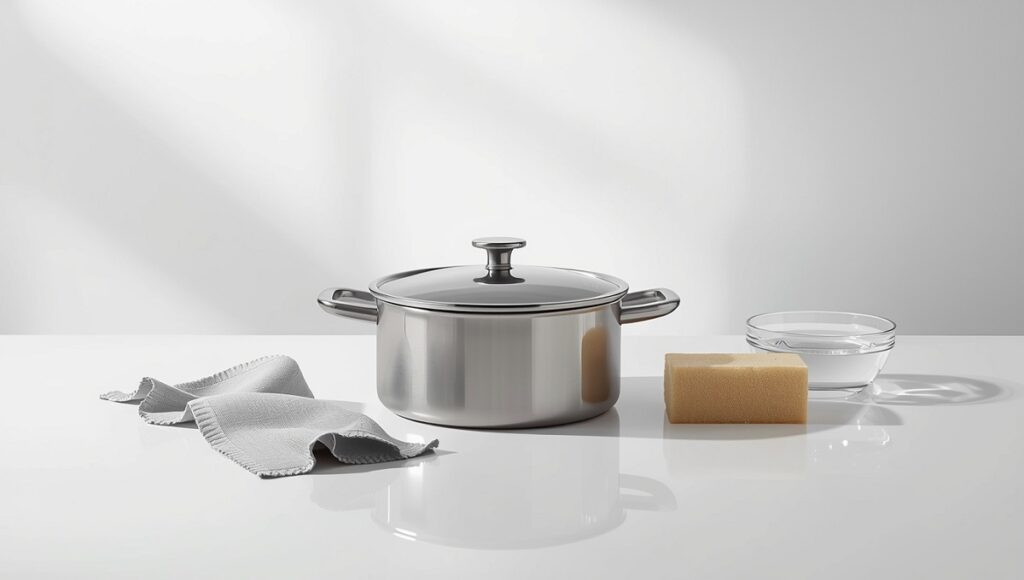
Let the cookware cool before washing. Hot enamel can crack with cold water. Use warm water and mild dish soap. A soft sponge or cloth works best. Avoid steel wool or abrasive pads. They can scratch the enamel surface.
Removing Stubborn Stains
For tough stains, soak the cookware in warm soapy water. Use a non-abrasive scrubber to clean gently. Baking soda mixed with water forms a paste. Apply the paste on stains and let it sit. Then scrub softly and rinse well.
Drying And Storing Properly
Dry the cookware completely after washing. Moisture can cause rust on exposed cast iron edges. Store with the lid off or slightly ajar. This prevents moisture buildup inside. Keep cookware in a dry place away from humidity.
Avoiding Common Mistakes
Do not use metal utensils on enamel surfaces. They can chip the coating. Avoid sudden temperature changes to prevent cracking. Never put enamel cookware empty on high heat. Use low to medium heat for cooking.
Common Mistakes To Avoid
Enamel cast iron cookware is popular for its durability and style. It cooks food evenly and looks great in any kitchen. Many people make simple mistakes that shorten the life of their cookware. Avoiding these common errors keeps your pots and pans in top shape for years.
Using Metal Utensils
Metal tools can scratch the enamel surface. These scratches lead to chips and cracks. Use wooden, silicone, or plastic utensils instead. They protect the enamel and keep cookware looking new.
Heating Too Quickly
Enamel cast iron needs slow heating. Sudden heat can cause the enamel to crack. Start with low heat and increase gradually. This prevents damage and improves cooking results.
Cleaning With Harsh Abrasives
Abrasive cleaners and steel wool harm the enamel coating. Use soft sponges and mild soap for cleaning. This keeps the surface smooth and shiny.
Ignoring Temperature Changes
Moving hot cookware directly to cold water can cause cracking. Let pots cool down before washing. This avoids sudden temperature shocks that damage the enamel.
Stacking Without Protection
Stacking pots without padding causes scratches and chips. Use cloth or paper towels between pieces. This simple step prevents surface damage during storage.
Comparing Enamel Vs. Bare Cast Iron
Enamel cast iron and bare cast iron are two popular choices for cookware. Both have strengths and weaknesses. Knowing their differences helps you pick the right one for your kitchen.
Enamel cast iron has a smooth, colorful coating. Bare cast iron has no coating and shows its natural metal surface. This difference affects how they cook and how you care for them.
Durability And Maintenance
Bare cast iron is very tough and can last for decades. It needs seasoning to stay non-stick and rust-free. Enamel cast iron is easier to clean and does not need seasoning. But its coating can chip if dropped or hit hard.
Heat Retention And Cooking
Both types hold heat well for slow cooking. Bare cast iron heats evenly and can go from stove to oven easily. Enamel cast iron also heats evenly but can be sensitive to sudden temperature changes. It is great for acidic foods like tomato sauce.
Flavor And Use
Bare cast iron can add a slight iron taste to food, which some people like. Enamel cast iron does not affect food flavor. Bare cast iron develops a natural non-stick surface over time. Enamel cast iron stays smooth and non-stick from the start.
Durability And Longevity
Enamel cast iron cookware stands out for its impressive durability and long lifespan. This cookware is designed to last many years, making it a smart investment for any kitchen. The strong materials and careful craftsmanship ensure it can handle daily use without losing quality.
Proper care can keep enamel cast iron looking and working like new. The enamel coating protects the iron from rust and damage, extending the cookware’s life. Even with heavy use, it resists chipping and cracking better than many other types of cookware.
Resistance To Rust And Corrosion
The enamel coating acts as a shield against rust. Cast iron alone can rust if not properly dried or oiled. Enamel cast iron avoids this problem. The smooth surface does not absorb moisture. This keeps the cookware safe from corrosion over time.
Strong And Impact-resistant
Enamel cast iron is tough and can withstand drops or knocks. The hard enamel layer prevents chips and cracks easily. It holds up well under frequent cooking and cleaning. This toughness makes it a reliable choice for busy kitchens.
Maintaining Its Appearance Over Time
The bright enamel finish stays vibrant even after years of use. It resists stains and discoloration. Simple cleaning keeps the cookware looking fresh. This lasting beauty adds value beyond just cooking performance.
Safe Use On Different Cooktops
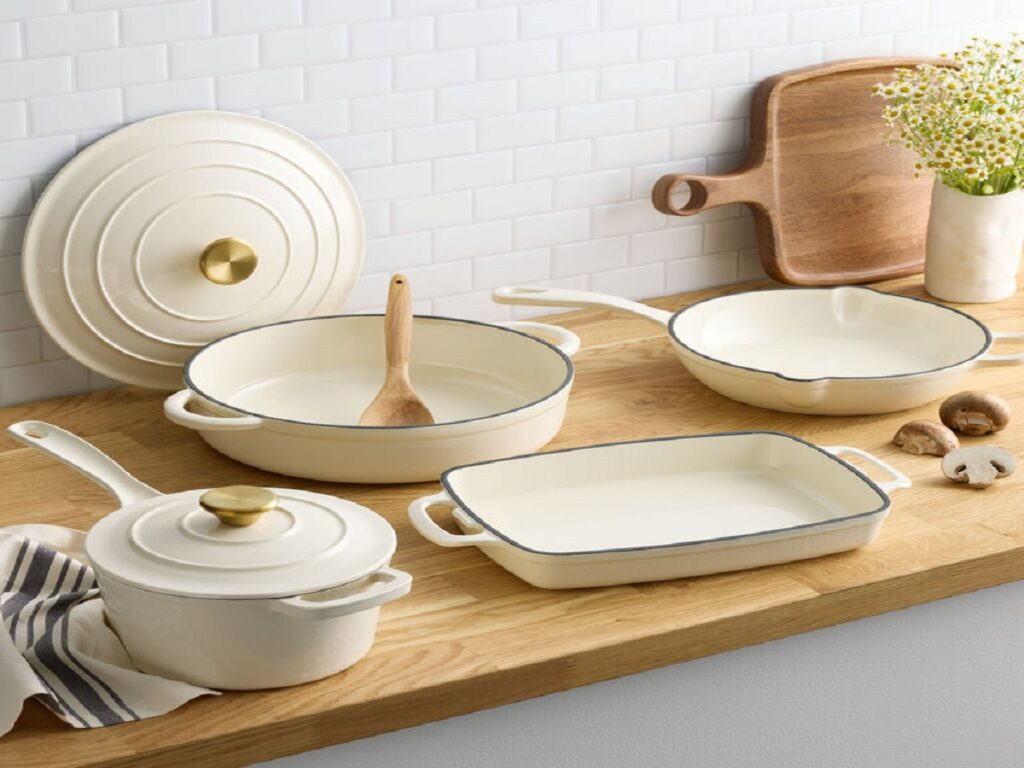
Enamel cast iron cookware is popular for its durability and style. It works well on many cooktops. Knowing which cooktops are safe protects your cookware and kitchen. This guide shows how to use enamel cast iron safely on different cooktops.
Gas Cooktops
Enamel cast iron performs well on gas stoves. The open flame heats the cookware evenly. It handles high heat without damage. Use a medium flame to avoid chipping the enamel. Always place the pot or pan flat on the burner.
Electric Coil Cooktops
Electric coil cooktops also work with enamel cast iron. The coils heat the base directly. Heat spreads slowly but evenly. Avoid sliding the cookware to protect the enamel surface. Lift it carefully when moving to prevent scratches.
Glass And Ceramic Cooktops
Glass and ceramic cooktops need gentle care. Enamel cast iron is heavy and may scratch the surface. Always lift the cookware, do not slide it. Use low to medium heat to prevent cracking. Check the cooktop manual for weight limits.
Induction Cooktops
Induction cooktops heat by magnetic fields. Enamel cast iron works well because of its iron base. Place the cookware firmly on the cooktop for best contact. Heat adjusts quickly with induction. Avoid sudden temperature changes to protect the enamel.
Best Brands And Models
Choosing the right enamel cast iron cookware matters for cooking success. The best brands offer durability and even heat. They combine classic design with modern features. Quality matters for safe, long-lasting kitchen tools.
Below are some top brands and their popular models. Each one stands out for quality and performance. This guide helps find cookware that suits your needs.
Le Creuset
Le Creuset is a leader in enamel cast iron cookware. Their pieces have bright, lasting colors. The heat distributes evenly for great cooking results. Their Dutch ovens and skillets are kitchen favorites. They come in many sizes to fit all meals.
Staub
Staub cookware is known for durability and style. It features a matte black enamel interior that resists stains. The cast iron retains heat well for slow cooking. Their cocottes and grill pans are highly rated. Staub offers excellent options for home cooks.
Lodge
Lodge provides quality enamel cast iron at a friendly price. Their cookware heats evenly and cleans easily. Lodge offers various sizes of Dutch ovens and skillets. It is a solid choice for beginners and budget buyers. The brand balances cost and performance well.
Chasseur
Chasseur cookware combines French style with strong build. Their enamel coating is smooth and chip resistant. The cast iron holds heat evenly for great cooking. Chasseur’s pots and pans come in several vibrant colors. They suit cooks who want style and function.
Storing Your Cookware Properly
Storing your enamel cast iron cookware properly helps keep it in great condition for years. Proper storage prevents chips, rust, and damage to the enamel surface. It also keeps your kitchen neat and your cookware easy to find.
Taking a few simple steps will protect your investment. This section explains how to store your cookware safely and efficiently.
Clean And Dry Completely
Always clean your cookware after use. Remove all food and grease to avoid stains and smells. Dry it fully with a soft cloth. Moisture can cause rust on exposed cast iron parts.
Use Protective Padding
Place soft cloth or paper towels between stacked pieces. This prevents scratching and chipping of the enamel. Avoid stacking heavy items on top of your cookware.
Store In A Dry, Cool Place
Keep your cookware away from damp or humid areas. A dry cupboard or shelf works well. Avoid storing near heat sources like stoves or ovens.
Keep Lids Separate Or Upside Down
Store lids separately or upside down on the pots. This prevents moisture buildup and damage to the enamel edges. Use a small cloth between lids and pots if stacked.
Frequently Asked Questions
What Is Enamel Cast Iron Cookware?
Enamel cast iron cookware is a heavy pot or pan coated with a smooth, glass-like surface.
How Does Enamel Coating Protect Cast Iron?
The enamel layer stops rust and stops food from sticking to the metal.
Can Enamel Cast Iron Be Used On All Stovetops?
Yes, it works well on gas, electric, and induction stovetops.
Is Enamel Cast Iron Safe For Cooking Acidic Foods?
Yes, the enamel coating prevents acid from reacting with the iron.
How Do You Clean Enamel Cast Iron Cookware?
Wash with warm, soapy water and avoid metal scrubbers to protect the coating.
Does Enamel Cast Iron Cookware Need Seasoning?
No, unlike regular cast iron, it does not require seasoning before use.
What Are The Common Uses For Enamel Cast Iron Pots?
They are great for slow cooking, braising, frying, and baking dishes.
Conclusion
Enamel cast iron cookware offers strong and lasting use. It heats evenly and keeps food warm longer. Cleaning is easy, thanks to its smooth surface. This cookware works well on many cooking styles. It adds color and style to your kitchen.
Choosing enamel cast iron means you invest in quality. Enjoy cooking with tools that last for years. A smart choice for both beginners and pros. Simple care keeps your cookware looking great. Ready to cook meals with ease and joy?