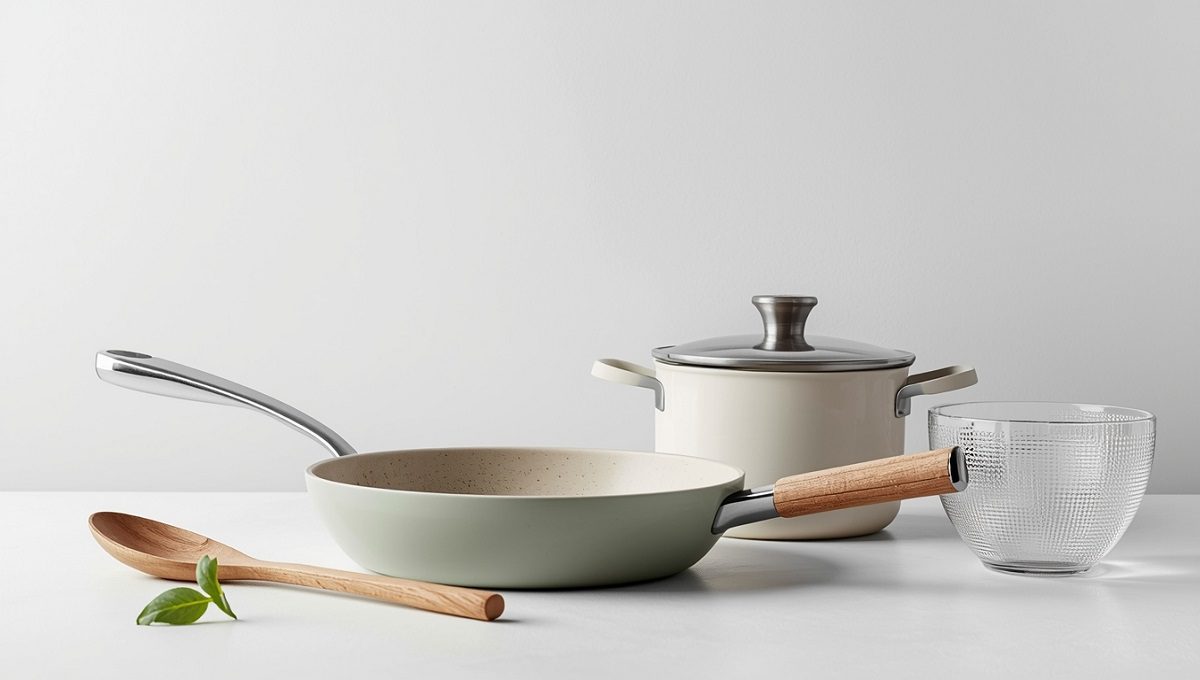
Are you thinking about switching to ceramic cookware but aren’t sure if it’s the right choice for your kitchen? You’re not alone.
Ceramic pots and pans have become popular for their sleek look and promise of healthier cooking. But before you invest, it’s important to know both the benefits and the drawbacks. This way, you can make a smart decision that fits your cooking style and needs.
Keep reading to discover the key pros and cons of ceramic cookware—and find out if it’s the perfect match for you.
Benefits Of Ceramic Cookware
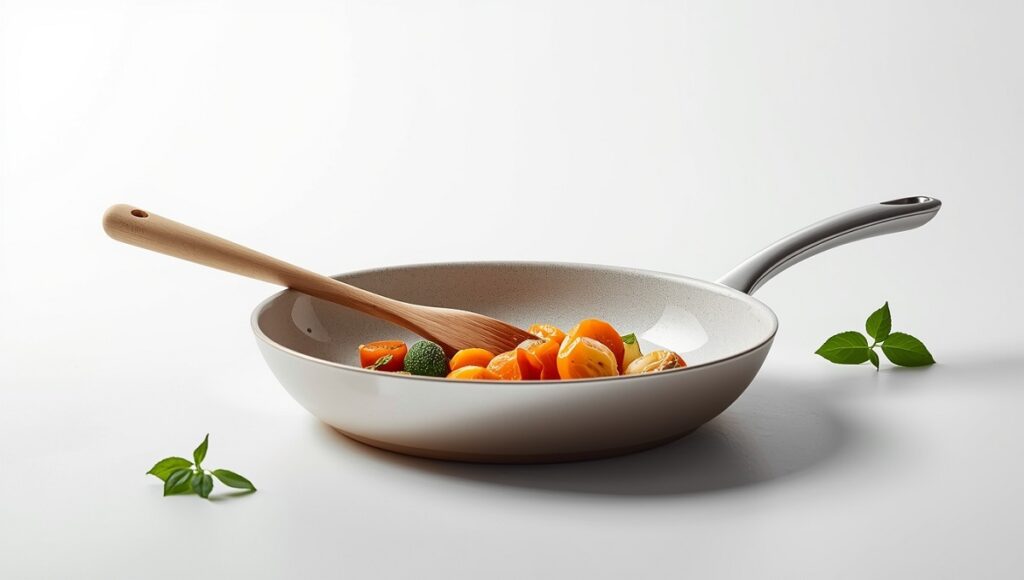
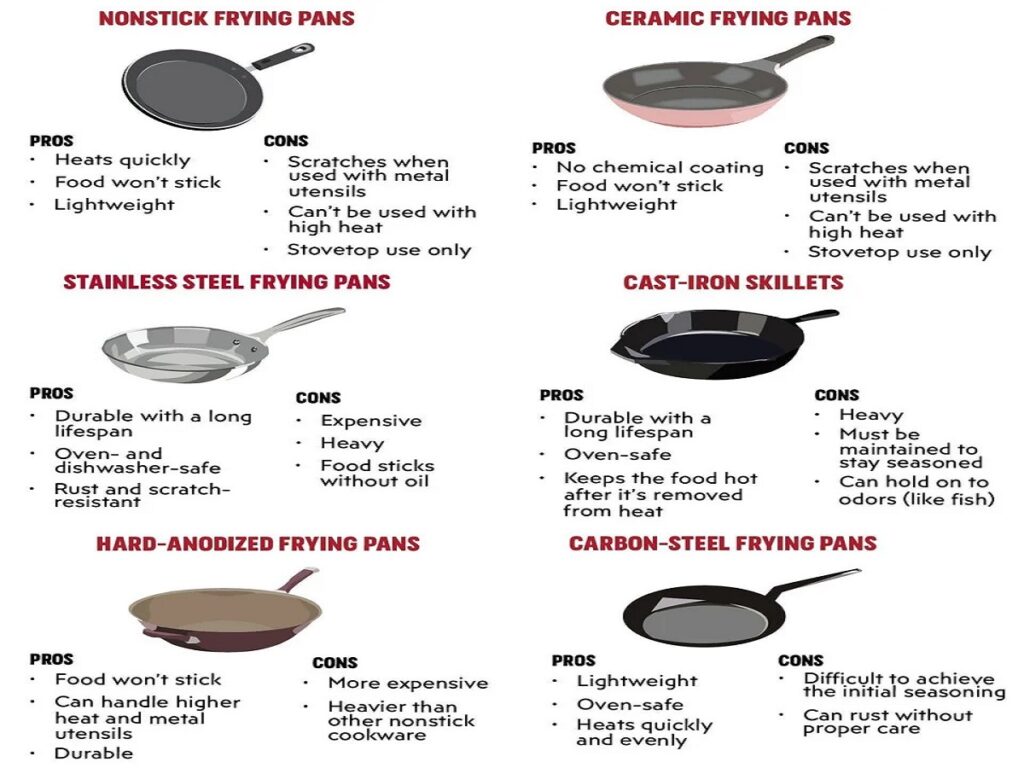
Ceramic cookware heats food evenly and is easy to clean. It also does not stick, reducing the need for extra oil. This makes cooking healthier and more convenient.
Ceramic cookware offers many advantages for daily cooking. It heats evenly, which helps food cook well. This cookware type often comes with a smooth, non-stick surface. It makes cleaning easier and reduces the need for oil or butter.
Many people choose ceramic cookware because it is free of harmful chemicals. It does not release toxins into food. This makes it a safer option for healthy meals. Ceramic pots and pans also look nice in any kitchen.
Non-toxic And Safe For Health
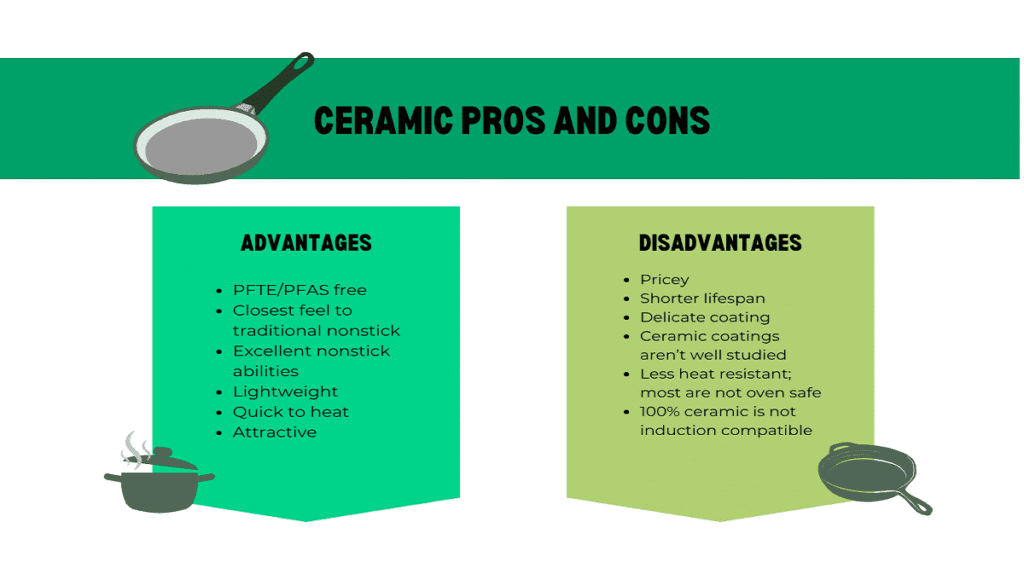
Ceramic cookware is made without chemicals like PTFE or PFOA. These chemicals can be harmful when heated. Ceramic coatings are natural and safe. They keep food pure and free from toxins.
Easy To Clean
The smooth surface of ceramic cookware prevents food from sticking. This feature makes washing fast and simple. Most ceramic pots and pans need only warm water and mild soap. No scrubbing hard.
Even Heat Distribution
Ceramic cookware spreads heat evenly across the surface. This stops hot spots that burn food. It cooks meals at a steady temperature. Your dishes turn out tasty and well-cooked.
Environmentally Friendly
Ceramic cookware is often made from natural materials. It is biodegradable and less harmful to the environment. Choosing ceramic helps reduce pollution and waste. It’s a good choice for eco-conscious cooks.
Health Advantages
Ceramic cookware is popular for many reasons. One key benefit is its health advantages. People want safe cooking options that do not harm their bodies. Ceramic pots and pans offer a way to cook food with fewer risks. Their materials and design help protect your health while preparing meals.
Free From Harmful Chemicals
Ceramic cookware does not contain toxic chemicals like PFOA or PTFE. These chemicals are common in some non-stick pans and can release fumes when heated. Ceramic coatings are made from natural materials and stay safe at high temperatures. This means less chance of harmful substances mixing with your food.
Non-reactive Surface
Ceramic surfaces do not react with acidic or alkaline foods. This keeps food flavors pure and fresh. No chemical reactions mean no unwanted tastes or health risks. You can cook tomatoes, citrus, or vinegar-based dishes without worry.
Even Heat Distribution
Cooking with ceramic ensures heat spreads evenly. This prevents hot spots that can burn food or cause toxins to form. Even heat helps cook meals thoroughly and safely. Proper cooking reduces the chance of bacteria or harmful agents in food.
Easy To Clean
The smooth ceramic surface is easy to clean by hand or dishwasher. Clean cookware reduces bacteria buildup and cross-contamination. Keeping your pots and pans clean promotes better health in the kitchen. No tough scrubbing or harsh cleaners needed.
Non-toxic Cooking Surface
Ceramic cookware is popular for its non-toxic cooking surface. It offers a safe option for preparing meals. Many people worry about chemicals in cookware. Ceramic surfaces provide peace of mind. They do not release harmful substances into food. This makes them a healthy choice for everyday cooking.
What Makes Ceramic Cookware Non-toxic?
Ceramic cookware is made from natural materials. It has a coating made from inorganic minerals. This coating is free from PTFE and PFOA chemicals. These chemicals are common in some non-stick pans. They can release toxic fumes when heated. Ceramic avoids these risks completely. This means no harmful fumes while cooking.
Safe For High-temperature Cooking
Ceramic surfaces handle high heat well. They do not break down or release toxins at high temperatures. This makes ceramic pans suitable for frying and searing. You can cook without worrying about chemical exposure. This is a big advantage over some non-stick options.
Better For Sensitive Health Needs
People with allergies or chemical sensitivities benefit from ceramic cookware. It does not leach metals or chemicals into food. Ceramic pans help avoid reactions that some people face with other materials. It supports a cleaner, safer kitchen environment.
Heat Distribution And Retention
Ceramic cookware is popular for many reasons. One key factor is how it handles heat. Heat distribution and retention affect cooking results and energy use. Understanding these traits helps decide if ceramic suits your kitchen.
Heat Distribution In Ceramic Cookware
Ceramic cookware heats up evenly across the surface. This even heating prevents hot spots. Hot spots can burn food while other parts stay undercooked. Ceramic coating spreads heat gently and smoothly. It works well on gas and electric stoves.
Heat Retention Characteristics
Ceramic retains heat moderately well. It keeps warmth longer than some metals. This helps food stay hot after cooking. However, ceramic cools faster than cast iron. It requires steady heat to maintain cooking temperature.
Impact On Cooking Performance
Even heat helps cook food thoroughly. It is great for simmering and slow cooking. Retention allows better control over temperature changes. Cooks can avoid overheating or undercooking meals. Ceramic cookware suits many recipes needing gentle heat.
Ease Of Cleaning
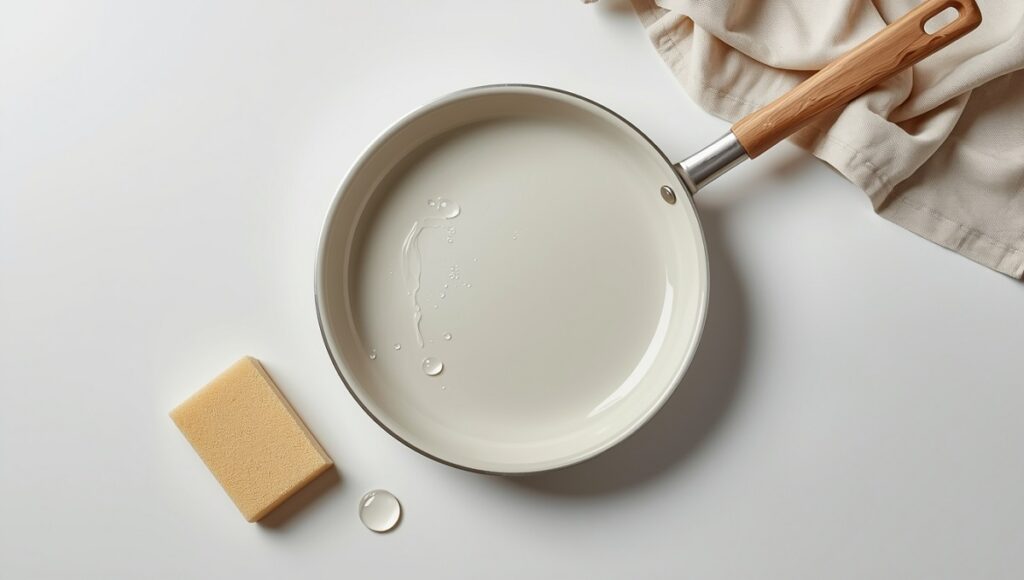
Ceramic cookware is popular partly because it cleans up easily. The smooth surface helps food slide off with little effort. This saves time and reduces scrubbing. Understanding the ease of cleaning can help decide if ceramic pots and pans fit your kitchen.
Non-stick Surface
Ceramic cookware has a natural non-stick coating. Food rarely sticks during cooking. This means less leftover residue after meals. Washing is quicker and needs less force. You can often clean these pans with just warm water and mild soap.
Hand Washing Recommended
Though ceramic pans are easy to clean, hand washing is best. Dishwashers can wear down the ceramic surface over time. Use a soft sponge or cloth to avoid scratches. Avoid steel wool or harsh scrubbers that damage the coating.
Stain Resistance
Ceramic cookware resists stains better than some metals. It keeps its color and finish after repeated use. This helps maintain a fresh look. Stains do not build up easily, so cleaning stays simple.
Soaking Helps Tough Residue
Sometimes food can burn or stick lightly. Soaking the cookware in warm, soapy water loosens stuck bits. This reduces the need for scrubbing. It protects the ceramic surface from damage.
Durability And Scratch Resistance
Ceramic cookware is popular for its smooth, non-stick surface and attractive look. Durability and scratch resistance are key factors to consider before buying ceramic pots and pans. These features affect how long your cookware lasts and how well it keeps its appearance.
Understanding the strengths and weaknesses of ceramic cookware helps you care for it better. This section explains how ceramic holds up to daily use and how it reacts to scratches.
Durability Of Ceramic Cookware
Ceramic cookware is made from metal coated with a ceramic layer. This layer is hard but can wear down over time. It stands up well to heat and does not chip easily if handled carefully.
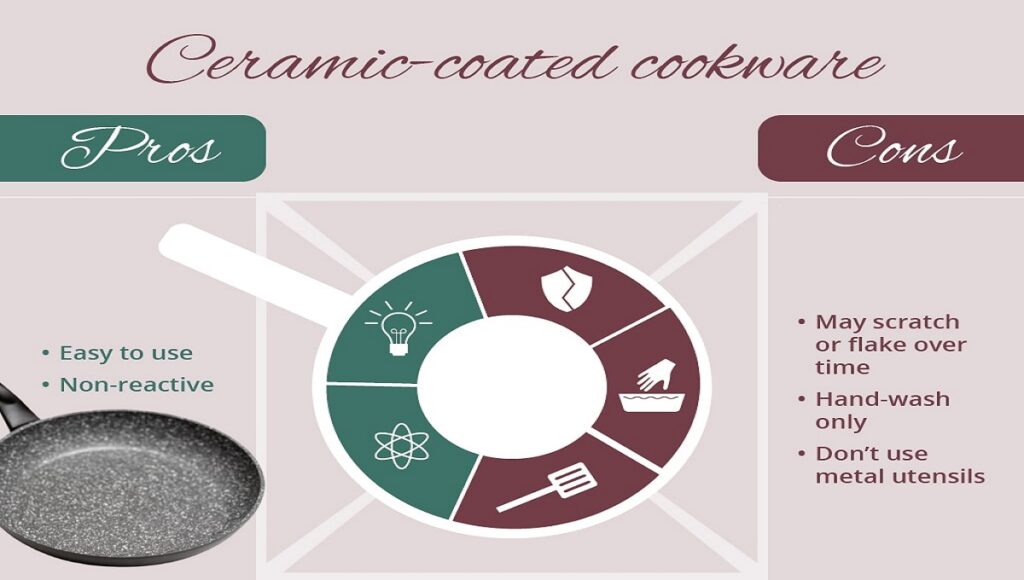
Using metal utensils or scrubbing hard can damage the ceramic surface. Proper use and cleaning extend the life of your cookware. Avoid dropping ceramic pots and pans to prevent cracks.
Scratch Resistance Of Ceramic Cookware
The ceramic coating offers a smooth surface that resists many scratches. It is less prone to scratching than traditional non-stick coatings. Yet, it is not completely scratch-proof.
Soft utensils like wood or silicone help keep the surface safe. Scratches may reduce the non-stick quality over time. Regular care keeps your cookware looking and working well.
Environmental Impact
Choosing cookware affects the planet. Ceramic cookware has its own impact on the environment. Understanding this helps make smarter choices.
Production Process And Resource Use
Making ceramic cookware uses natural materials like clay and minerals. These resources are abundant but need mining. Mining can disturb land and habitats. The production requires energy for heating and shaping.
Durability And Longevity
Ceramic cookware lasts long when used well. Its durability reduces waste over time. Fewer replacements mean less trash and fewer resources used. This helps lower the overall environmental footprint.
Non-toxic And Chemical-free Coating
Ceramic coatings do not release harmful chemicals. They avoid toxins like PFOA and PTFE found in some pans. This keeps air and water cleaner during cooking and after disposal.
End Of Life And Disposal
Ceramic cookware is not biodegradable but can be recycled. Breaking it down is hard, so many end in landfills. Choosing high-quality pieces can reduce waste by lasting longer.
Common Drawbacks
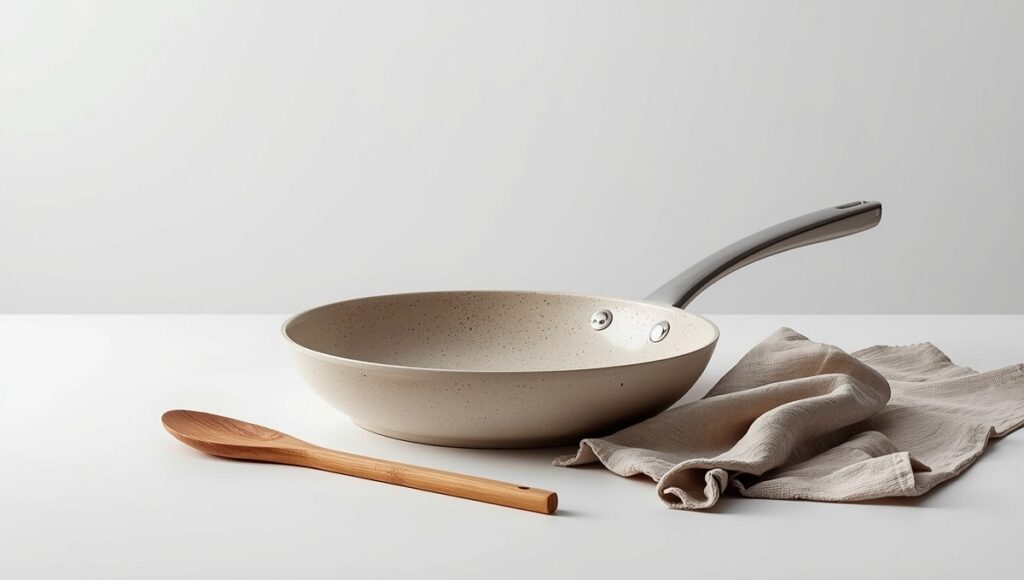
Ceramic cookware has many fans. It looks nice and cooks well. Still, it has some common drawbacks you should know. These issues might affect your cooking experience and the life of your pots and pans.
Understanding these downsides helps you decide if ceramic cookware fits your kitchen needs. Let’s explore the main problems people face with ceramic cookware.
Durability Concerns
Ceramic coating can chip or crack easily. Dropping a ceramic pan may cause permanent damage. Even heat changes can lead to cracks. Over time, the coating may wear off. This reduces the cookware’s non-stick ability.
Heat Sensitivity
Ceramic cookware does not handle very high heat well. Using high heat can cause the coating to break down. This shortens the cookware’s lifespan. It is best to use medium or low heat settings.
Cleaning Challenges
Cleaning ceramic cookware is not always simple. Harsh scrubbing can damage the surface. Some stains may not come off easily. Avoid using metal scrubbers or harsh chemicals. Gentle cleaning helps keep the cookware safe.
Price And Availability
Ceramic cookware can be more expensive than other types. High-quality ceramic sets cost more. Finding replacement parts or matching pieces may be tough. Budget options might not last long, causing extra expenses.
Chipping And Cracking Issues
Ceramic cookware looks great and cooks food evenly. Still, chipping and cracking issues can happen. These problems affect the cookware’s look and performance.
Chipping means small pieces break off the ceramic surface. Cracking means tiny lines or breaks appear on the cookware. Both can happen after use or if the cookware is handled roughly.
What Causes Chipping In Ceramic Cookware?
Chipping happens from hard impacts or drops. Metal utensils can also scrape the surface and cause chips. Sudden temperature changes may weaken the ceramic coating. Over time, these small damages add up.
How Cracking Affects Your Cookware
Cracks weaken the ceramic layer and can grow larger. Heat can go through cracks and damage the cookware. Food might stick in the cracks, making cleaning harder. Cracked cookware might lose its non-stick qualities.
Preventing Chipping And Cracking
Handle ceramic cookware gently to avoid dropping it. Use wooden or silicone utensils only. Avoid sudden temperature changes, like putting hot cookware in cold water. Store carefully, without stacking heavy pots on top.
Heat Sensitivity And Limitations
Ceramic cookware offers a smooth, non-stick surface and looks great in any kitchen. Yet, it has some limits when facing heat. Understanding these heat sensitivities helps you use ceramic pots and pans safely.
Heat affects ceramic cookware differently than metal. Too much heat can harm the coating or cause cracking. Knowing the right temperature range keeps your cookware lasting longer.
Temperature Limits Of Ceramic Cookware
Ceramic cookware usually handles medium to low heat well. High heat can damage the ceramic layer quickly. Avoid using ceramic cookware on very high flames or in broilers. This prevents cracks and peeling.
Heat Distribution And Cooking Performance
Ceramic does not spread heat evenly like metal pans. Some spots may get hotter than others. This can cause uneven cooking or burning. Using a lower heat level helps food cook properly without damage.
Thermal Shock Risks
Sudden temperature changes can harm ceramic cookware. Moving a hot pot into cold water causes thermal shock. This may lead to cracks or breaks. Always let ceramic pans cool down before cleaning with cold water.
Cost Considerations
Ceramic cookware often costs more than traditional pots but lasts longer with proper care. Some cheaper options may wear out quickly. Balancing price and quality helps you choose the best fit for your kitchen budget.
Initial Purchase Price
Ceramic cookware usually costs more than basic non-stick pans. The price depends on brand, size, and quality. High-end ceramic sets can be expensive. Budget options are available but may have shorter lifespans. Investing in mid-range ceramic pieces offers a balance of cost and durability.
Long-term Value
Ceramic cookware lasts longer with proper care. It resists scratches and stains better than some alternatives. This durability can save money over time. Replacing cheap pans often adds up. Spending a bit more now may reduce future costs.
Energy Efficiency
Ceramic cookware heats evenly and quickly. This can lower cooking time and energy use. Reduced energy bills add to cost savings. Efficient heat distribution protects food and cookware from damage. Energy-efficient cooking is good for budgets and the environment.
Maintenance And Replacement
Ceramic surfaces need gentle cleaning to last longer. Harsh scrubbing can damage the coating. Proper care avoids frequent replacement. Some ceramic cookware may chip if dropped. Costs may rise if replacements are needed often. Careful handling helps keep costs low.
Making The Right Choice
Choosing the right cookware affects your cooking and health. Ceramic cookware offers many benefits but also some drawbacks. Understanding these helps you pick what fits your kitchen and lifestyle.
Think about how often you cook and what types of meals you make. Consider your budget and how much care you want to give your pots and pans. These factors guide your decision.
Assessing Durability And Care
Ceramic cookware looks great and feels light. It heats food evenly, which helps with cooking. The coating can scratch or wear off over time. Avoid using metal utensils to keep it safe. Hand washing is best to keep the surface smooth.
Considering Health And Safety
Ceramic cookware is free from harmful chemicals like PTFE and PFOA. It does not release toxins when heated. This makes it a safer choice for families. Still, check for quality brands to avoid cheap coatings that might peel.
Evaluating Cooking Performance
Ceramic pans heat well but cool down fast. They work great for low to medium heat cooking. High heat can damage the ceramic layer. Ideal for frying eggs, sautéing vegetables, and simmering sauces.
Weighing Cost Against Benefits
Ceramic cookware costs more than some traditional pans. It lasts longer if cared for properly. Consider it an investment in safer, healthier cooking. Look for sets that offer a good balance of price and quality.
Frequently Asked Questions
What Are The Main Benefits Of Ceramic Cookware?
Ceramic cookware heats evenly and is free from harmful chemicals like PTFE and PFOA.
Is Ceramic Cookware Safe For High-heat Cooking?
Ceramic cookware works best on low to medium heat; high heat may damage the coating.
How Long Does Ceramic Cookware Usually Last?
With gentle care, ceramic cookware can last several years before the coating wears off.
Can Ceramic Cookware Stick To Food Easily?
Ceramic surfaces are non-stick, but they may stick if overheated or scratched.
Is Ceramic Cookware Easy To Clean?
Yes, ceramic cookware cleans easily with warm soapy water and a soft sponge.
Does Ceramic Cookware Work On All Stovetops?
Most ceramic cookware works on gas, electric, and glass stovetops but not on induction.
Are Ceramic Pots And Pans Environmentally Friendly?
Ceramic cookware is often eco-friendly as it uses fewer chemicals and lasts longer than some others.
Conclusion
Ceramic cookware offers many benefits and a few drawbacks. It cooks food evenly and looks nice in kitchens. It also avoids harmful chemicals found in some pans. Yet, ceramic can chip or wear down over time. Careful use and cleaning keep it lasting longer.
Choose ceramic if you want a healthy cooking option. Think about your cooking habits before buying. Good cookware makes cooking easier and more fun.